
The Jut-Nuts I
1988
No user ratings available yet
Representation score: 0.8 out of 10
Representation Score
Minimal
1989
Director
Finn Henriksen
Runtime
81 minutes
Average Rating
No ratings yetNew Showbiz Analysis
The Jut-Nuts III operates as a low-budget comedy driven by slapstick and situational irony. While the plot explores themes of bodily autonomy and institutional corruption, these elements serve the comedic tension rather than social critique. The film relies heavily on established 1980s clichés, particularly regarding gender and ethnicity. Characters like the nurse and the sheik are defined by reductive archetypes rather than complex identities. Ultimately, the narrative lacks depth in reflecting multiple aspects of identity. It focuses on individual greed and incompetence, failing to engage with or disrupt broader social hierarchies or systemic issues.
Category Breakdown
The film does not include any LGBTQ+ characters or non-cisgender identities. It also does not address the assumption that everyone is straight or cisgender.
Female representation is limited to a nurse portrayed as a gold-digging stereotype. The film does not challenge gender hierarchies or give women significant roles in driving the story.
An ethnic character serves as a plot catalyst but is defined by externalized stereotypes. This portrayal suggests a lack of nuanced or significant ethnic representation.
The story critiques medical institutions by portraying doctors and nurses as corrupt. However, the conflict arises from individual greed rather than a broader critique of systemic issues.
A character's life-threatening illness is used strictly as a plot device to create tension. It does not offer a meaningful exploration of disability or the character's experiences.
Present on Screen
Limited or Absent
Official Synopsis
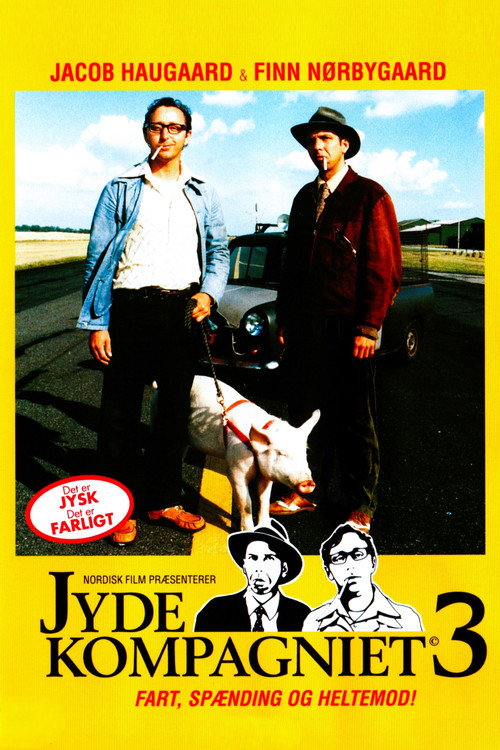
Jacob and Finn run their low-budget private-eye business out of an auto salvage yard. Usually they are woefully incompetent, and on occasion they are inventive, like the time they find a boat captain's dentures. They're broke, so when Finn comes to the attention of a local hospital as having very healthy organs, Jacob is willing to help a corrupt doctor and his gold-digging nurse sell Finn's heart to a dying sheik in Switzerland. Finn rebels, so Jacob plots to substitute a pig's heart; then Finn gets attached to the pig and won't hear of its slaughter. As the sheik's health deteriorates and the doctor gets more desperate, Finn is in grave danger. Jacob has another plan.
1988

1998

2001
1982

1988
1974
1976
1981
No reviews yet. Be the first to share your thoughts on this movie!
Use the rating form above to leave a star rating and optional review.