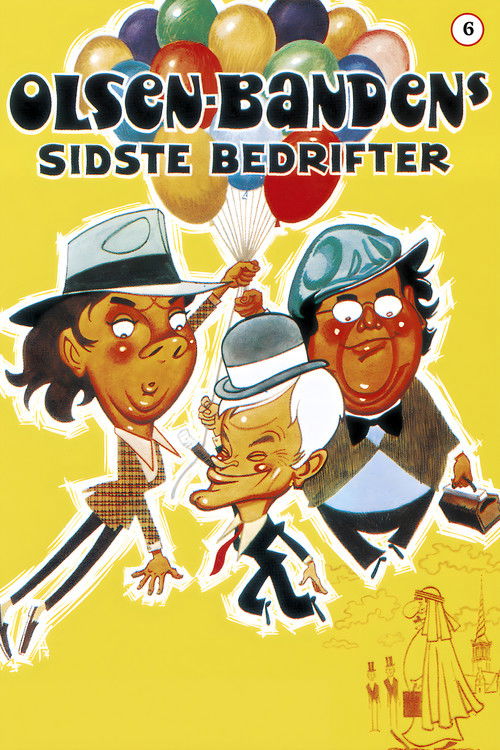
The Last Exploits of the Olsen Gang
1974
No user ratings available yet
Representation score: 1.2 out of 10
Representation Score
Minimal
1971
Not RatedDirector
Erik Balling
Runtime
96 minutes
Average Rating
No ratings yetNew Showbiz Analysis
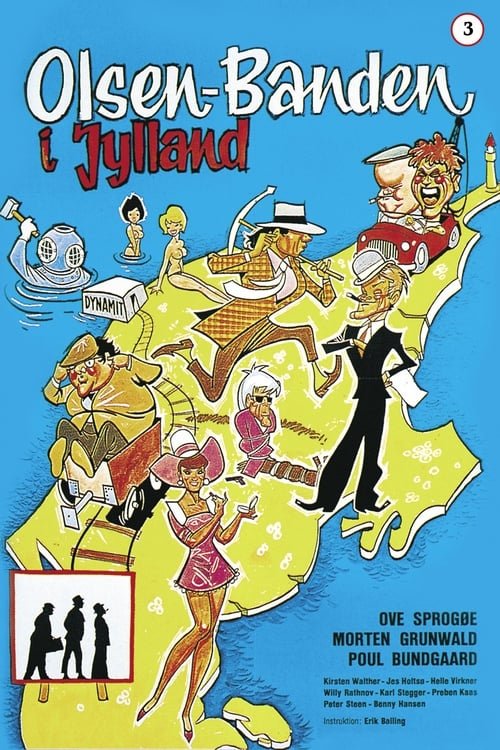
The Olsen Gang in Jutland is a character-driven caper that emphasizes slapstick humor and situational irony over social critique. It reflects the demographic norms of 1970s Denmark. Because the film focuses on established archetypes and a localized setting, it does not challenge social hierarchies. The narrative structure prioritizes comedic escapism over exploring diverse identities. Ultimately, the film maintains conventional social and gender structures, resulting in a narrow demographic scope that lacks diverse representation.
Category Breakdown
The film does not include any LGBTQ+ characters or non-cisgender identities. The story stays within traditional social norms.
The story revolves around a male-dominated trio, reinforcing traditional gender roles. Female characters like Yvonne play supporting roles connected to the men.
The cast and setting are predominantly white, reflecting 1970s Denmark. There is no racial or ethnic diversity in the narrative.
The film uses humorous caper clichés without critiquing institutions. The portrayal of family and social structures remains typical for its time.
There are no prominent depictions of visible or invisible disabilities. The narrative does not address disability as part of character identity.
Present on Screen
Limited or Absent
Official Synopsis
The Olsen gang in Jutland. Ones again Egon Olsen has a plan when he gets out of Vridslose State Prison. He has found out that the Germans left a large sum of money (in American dollars and gold bars) in one of their commando bunkers, when they were defeated in 1945; the only problem it's in Jutland. Egon, Benny and Kjeld "appropriate" a car and drives to Jutland along with Kjelds wife and child Yvonne and Borge. They look forward to fooling the the people in Jutland, but of course, things don't go quite as planed. It ends with Benny, Kjeld, Borge and Yvonne sitting in the train back to Copenhagen, were they are overtaken by Egon in his car on the road next to the track. This is the last time the Olsen gang goes to Jutland.
1974
1975
1972

1973
1977
1981

1968

1979
No reviews yet. Be the first to share your thoughts on this movie!
Use the rating form above to leave a star rating and optional review.