Boys Will Be Boys
1999
No user ratings available yet
Diversity score: 2.1 out of 10
1994
PGDirector
Coke Sams
Runtime
89 minutes
Average Rating
No ratings yetSynopsis
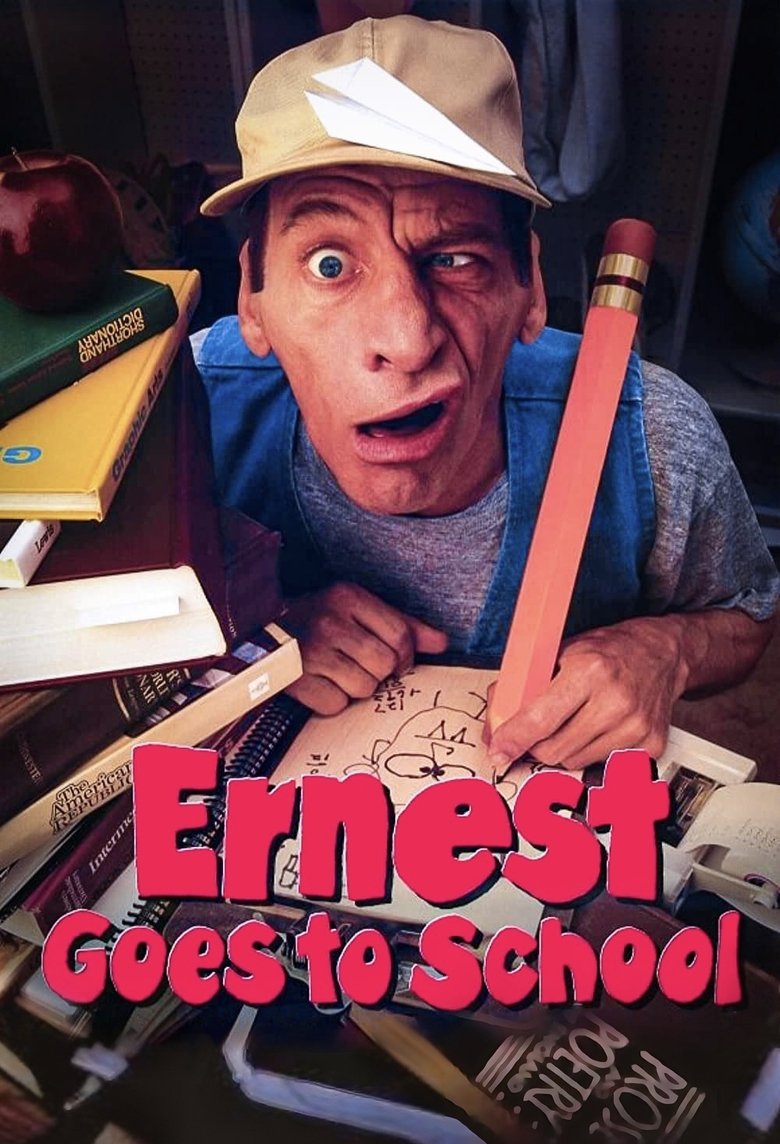
Jim Varney's recurring dim-bulb character Ernest P. Worrell returns in this film as a school janitor seeking to obtain a high school diploma.
Overall Score
Limited
Category Breakdown
LGBTQ+ Representation
The film contains no visible LGBTQ+ characters. It operates within a conventional social framework that does not explore or address non-heteronormative identities.
Gender Representation
Female characters function primarily as peripheral figures within standard tropes. While Ernest's incompetence briefly disrupts traditional masculine authority, the film does not subvert established gender hierarchies.
Racial & Ethnic Diversity
The cast is predominantly white and reflects a homogeneous, small-town American demographic. There is a notable absence of characters of color in positions of narrative agency.
Religious & Cultural Diversity
The story emphasizes a traditional Western framework and the underdog archetype. It avoids critiques of institutions, presenting instead a stable and conventional social environment.
Disability Representation
Ernest's cognitive and social eccentricities are framed through slapstick bumbling. These traits are used for comedic effect rather than providing a nuanced exploration of neurodivergence.
Strengths
Areas for Improvement
AI Analysis
Ernest Goes to School is a product of its era, prioritizing slapstick comedy and traditional archetypes over intersectional depth. The film relies on a homogeneous cast and conventional social hierarchies that lack progressive commentary. The narrative architecture is built around a stable, Western social environment. It avoids challenging established norms regarding race, gender, or religion, opting instead for a lighthearted, predictable comedic structure. While the protagonist's eccentricities provide the central comedic engine, they function as tropes rather than meaningful representation. The film lacks diversity in both its character agency and its cultural perspectives.
1999
1989
1994

2003
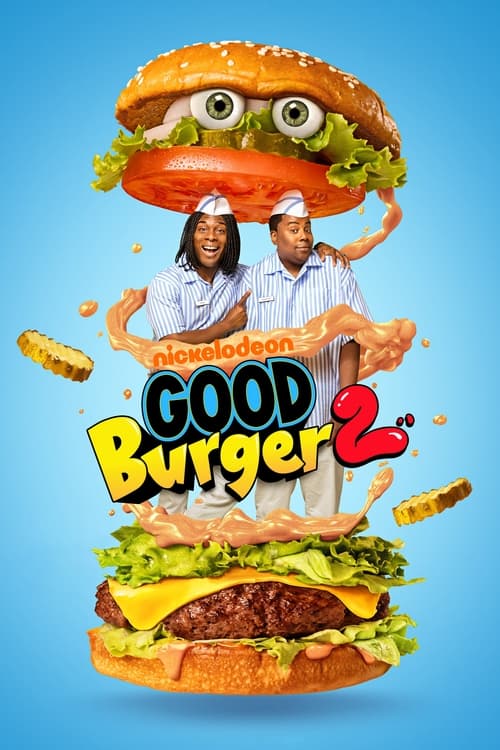
2023
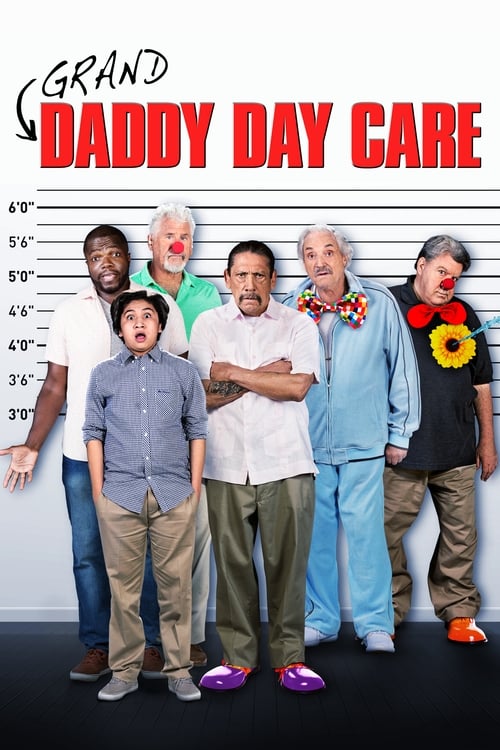
2019
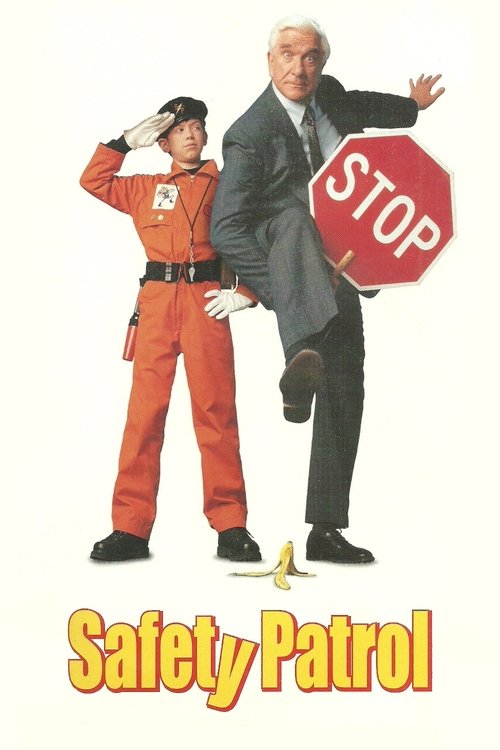
1998
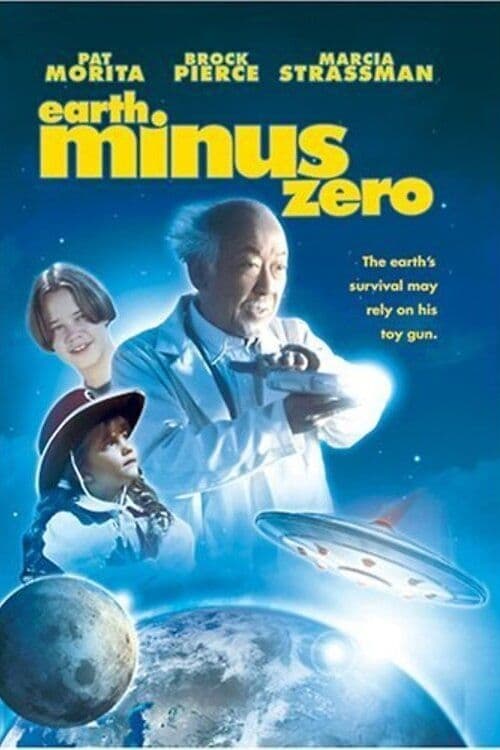
1997
No reviews yet. Be the first to share your thoughts on this movie!
Use the rating form above to leave a star rating and optional review.