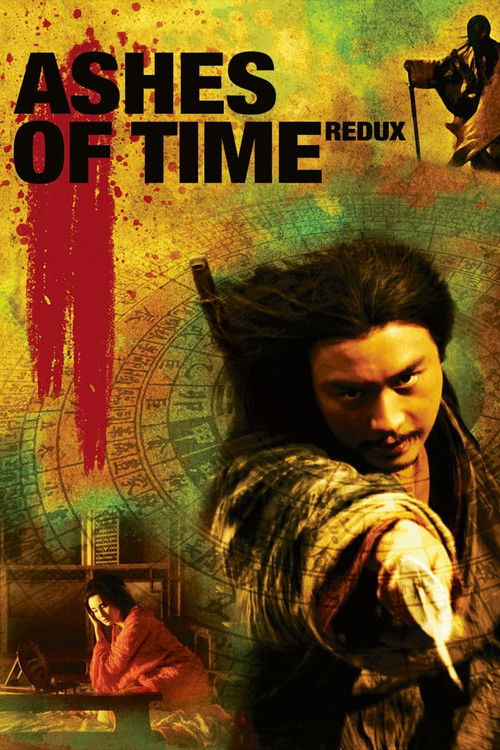
Ashes of Time Redux
2008
No user ratings available yet
Representation score: 8.2 out of 10
Representation Score
Limited
2011
Director
Gao Xiaosong
Runtime
95 minutes
Average Rating
No ratings yetNew Showbiz Analysis
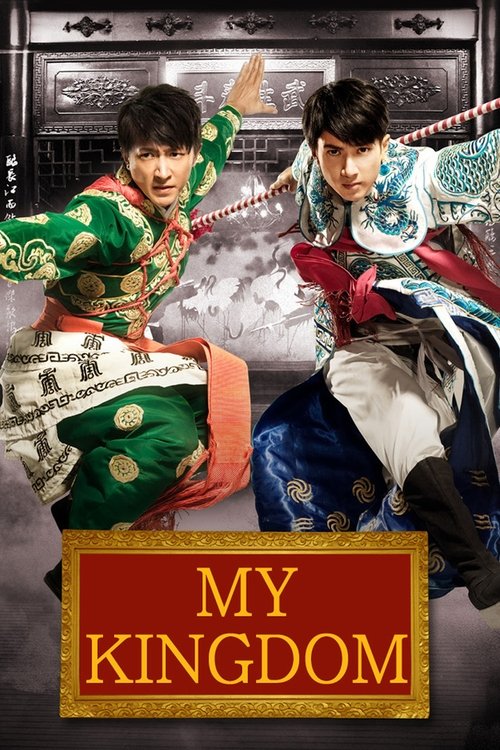
My Kingdom is a traditional period drama that prioritizes historical genre clichés over the deconstruction of social hierarchies. The narrative structure is built upon established themes of honor, mentorship, and patriarchal lineage. The film functions as a revenge epic, focusing on the reclamation of status and martial excellence. While it offers deep cultural immersion through the lens of Chinese opera, it lacks intentionality regarding identity politics. Ultimately, the work adheres to the historical realities of its setting rather than using diversity as a tool for narrative disruption or institutional critique.
Category Breakdown
The story centers on brotherhood and mentorship among orphans, emphasizing fraternal loyalty without exploring queer identities or non-traditional gender relationships.
The narrative is driven by a patriarchal framework where professional rivalries and ability to act are almost exclusively centered on male characters and their martial skills.
The film features a culturally homogeneous cast consistent with its Qing Dynasty setting. It provides an ethnic-specific narrative without using diverse casting to break norms.
Themes of honor and vengeance align with traditional Confucian values. The plot emphasizes the internal dynamics of Chinese opera culture and dynastic politics.
There are no visible or invisible disabilities portrayed as central to the character arcs or used as significant plot devices.
Present on Screen
Limited or Absent
Official Synopsis
In the 19th century, the Prince Regent of the Qing Dynasty orders the mass execution of the entire Meng clan. Before his beheading, the leader vows that his family will avenge this travesty of justice. Awaiting his death, a five-year-old Meng boy named Erkui bravely sings an aria. The power and purity of his voice touches the opera star Master Yu and his seven-year-old pupil Guan Yilong. Master Yu rescues the boy and the two orphans become brothers. Years later, Master Yu wins the coveted golden "The Mightiest Warrior" plaque from the Prince Regent, but subsequently loses it in a duel with his archrival Master Yue. Banished from the stage upon his loss, Master Yu spends his time training the two brothers in the village. When the boys grow into men, they set off for Shanghai to pursue revenge. Once they reach Shanghai, they quickly defeat Master Yue, reclaiming not only the plaque but also taking over the Yue's opera troupe.
2008
2006
2011
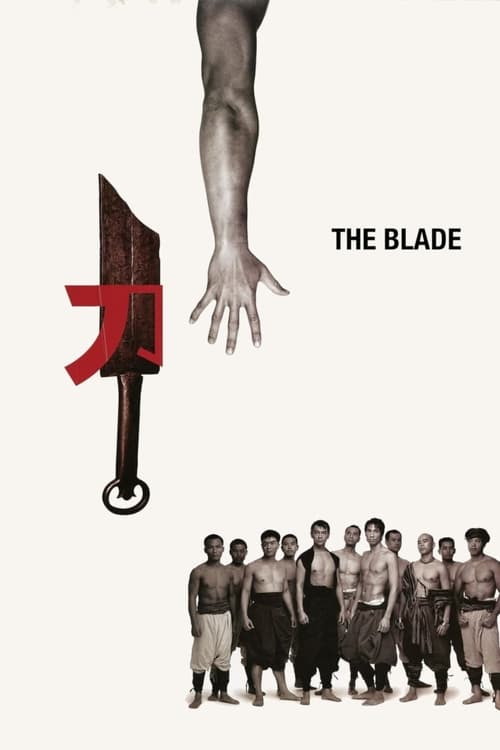
1995
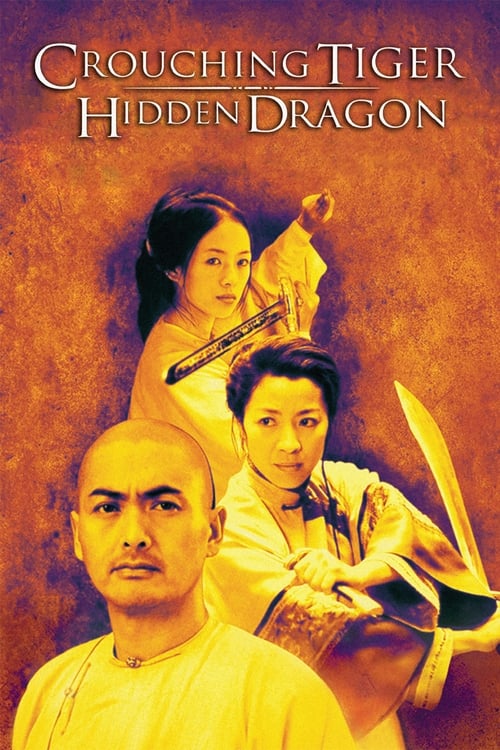
2000
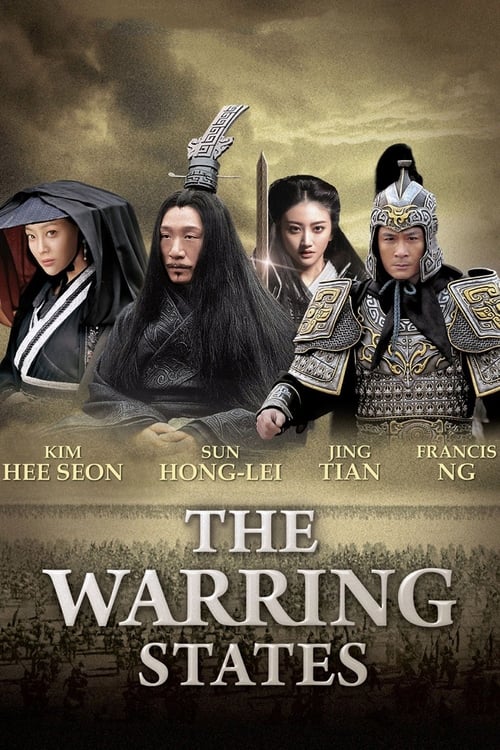
2011
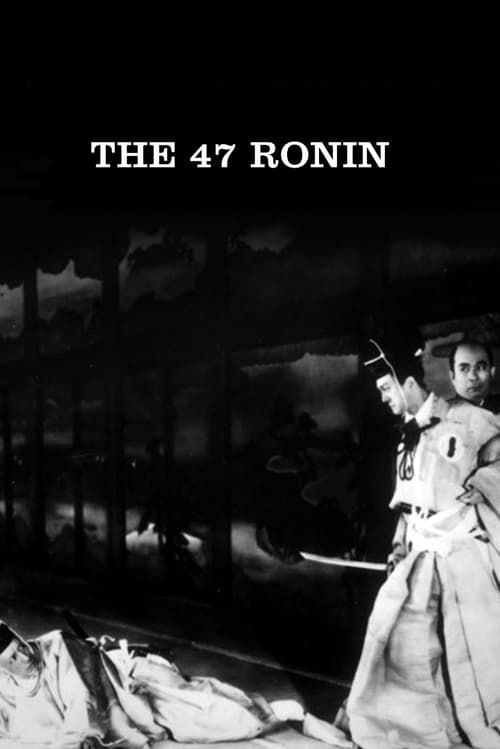
1941
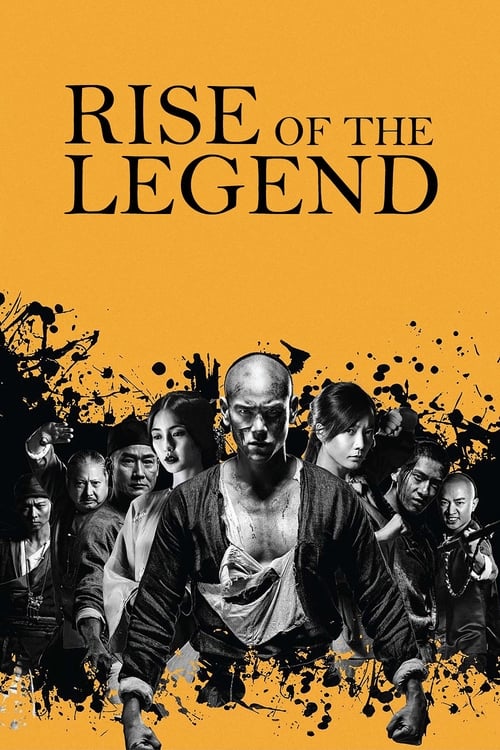
2014
No reviews yet. Be the first to share your thoughts on this movie!
Use the rating form above to leave a star rating and optional review.