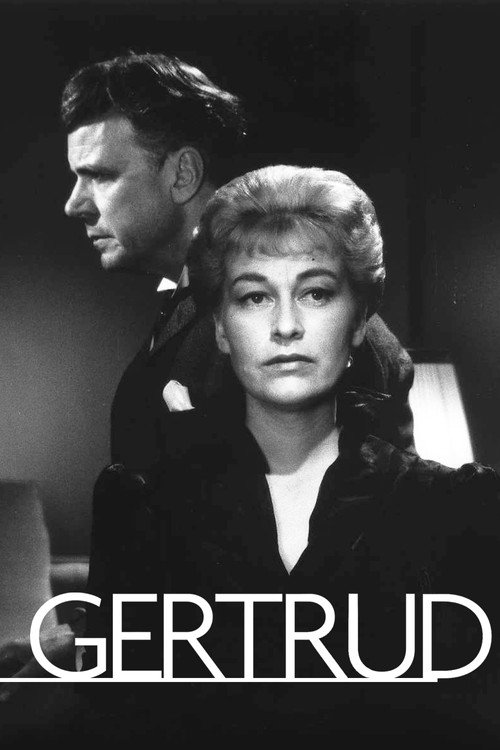
Gertrud
1964
No user ratings available yet
Representation score: 5.7 out of 10

Representation Score
Fair
1924
Not RatedDirector
Carl Theodor Dreyer
Runtime
95 minutes
Average Rating
No ratings yetNew Showbiz Analysis
Dreyer’s masterpiece is a historical anomaly that prioritizes queer intimacy and individual ability to act over the rigid social and religious structures of the 16th century. Its strength lies in its sophisticated handling of same-sex desire and its subversion of religious hegemony. However, the film is limited by its period setting, which results in a lack of racial and ethnic diversity. While the female lead provides a departure from passive archetypes, the narrative remains largely centered on a specific European demographic. Ultimately, the film's importance as a pioneer of LGBTQ+ cinema outweighs its lack of demographic breadth, offering a profound study of personal truth against systemic oppression.
Category Breakdown
This landmark film offers a nuanced depiction of same-sex attraction. By reimagining classical myths into a romantic triangle, it explores non-traditional gender relationships in a sophisticated way.
Princess Zamikoff subverts traditional gender roles by acting as a commanding femme fatale. She plays a significant role in driving the story and serves as a disruptive force within the central male dynamic.
The film reflects the homogeneous demographic realities of 16th-century Denmark. It offers almost no representation of racial or ethnic diversity beyond the specific European landscape.
The narrative critiques institutional authority by positioning the Church as a source of rigidity. It prioritizes individualistic morality over religious dogma and the dominant societal norms.
There are no prominent depictions of physical or neurodivergent disabilities that impact the narrative arc.
Present on Screen
Limited or Absent
Official Synopsis
A mature and visually elegant period romance that remains one of the earliest and most compassionate overtly gay-themed films in movie history. Based upon Herman Bang's 1902 novel, Dreyer's Michael refashions the classical Greek myth of Jupiter and Ganymede into a love triangle between an aging artist, Zoret, his protagonist Michael, and Princess Zamikoff, an aristocratic femme fatale as entranced by Michael’s youthful beauty as Zoret is.
1964
1931
1962
1952
1924
1927
1933
1948
No reviews yet. Be the first to share your thoughts on this movie!
Use the rating form above to leave a star rating and optional review.