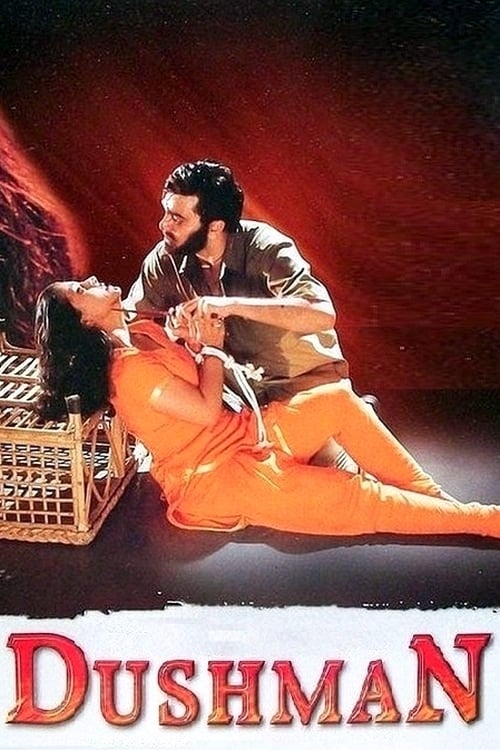
Dushman
1998
No user ratings available yet
Representation score: 5.6 out of 10
Representation Score
Limited
1994
Director
Rajiv Rai
Runtime
177 minutes
Average Rating
No ratings yetNew Showbiz Analysis
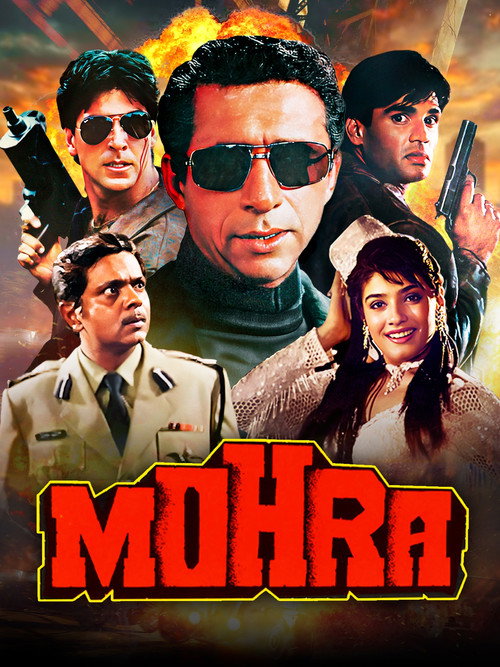
Mohra is a typical mainstream action-thriller that emphasizes genre clichés over diverse representation. It excels in ethnic authenticity, presenting a culturally specific narrative without Western casting biases. However, the film adheres to traditional gender hierarchies and decorative clichés. While the female protagonist has investigative ability to act, her role is often secondary to male characters. The narrative lacks engagement with progressive social frameworks or queer identities. Ultimately, the film serves to reinforce conventional social and moral expectations, critiquing the judicial system through the lens of personal vigilante justice rather than a deeper examination of state institutions.
Category Breakdown
The film does not include any LGBTQ+ characters or non-straight relationships. All romantic subplots center around traditional heterosexual couples.
Roma Singh, as a journalist, holds a professional position but her character development revolves around male characters. The film includes decorative musical sequences typical of the time period.
The film features a predominantly South Asian cast, ensuring high ethnic authenticity. The storyline is deeply embedded in the local Indian socio-political context.
The film explores themes of justice through traditional moral frameworks rather than systemic critiques. It upholds conventional social structures and moral norms.
The film does not depict any physical or neurodivergent disabilities. Characters are primarily defined by their roles within criminal or law enforcement contexts.
Present on Screen
Limited or Absent
Official Synopsis
Journalist Roma Singh is the daughter of a jailer. While taking a tour of the jail, she is molested by some of the inmates, and an inmate, Vishal Agnihotri comes to her assistance. She finds out that Vishal is in for four homicides, and decides to investigate further. She finds out, with the help of the owner of her publications, Jindal that Vishal was compelled to take the law in his own hands when the courts failed to punish the assailants of his sister and sweetheart. Soon, Vishal is released from prison, and begins to work for Jindal. It is then that he realizes that he has just walked from a walled prison, to an open prison, as the truth behind his release slowly but surely starts to dawn on him.
1998

2015
1994

2017
1993
2006
1988

1984
No reviews yet. Be the first to share your thoughts on this movie!
Use the rating form above to leave a star rating and optional review.