Komaram Puli
2010
No user ratings available yet
Representation score: 1.1 out of 10
Representation Score
Limited
1995
Not RatedDirector
Suresh Krissna
Runtime
145 minutes
Average Rating
No ratings yetNew Showbiz Analysis
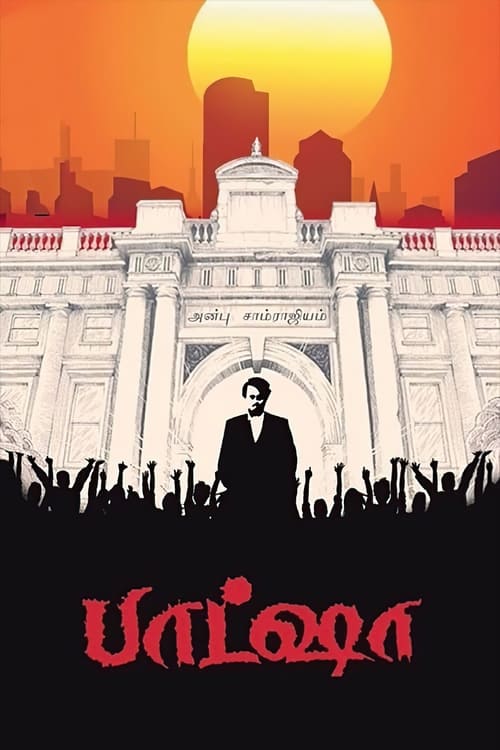
Baasha is a typical hero-centric masala film that emphasizes the mythic power of a singular male figure. While it offers a culturally authentic experience for its target demographic, the narrative structure remains rooted in traditional hierarchies. The film excels in providing a strong sense of regional identity and Tamil cultural context. However, it lacks complexity in representing diverse identities, reinforcing patriarchal structures and conventional gender roles common to 1990s action cinema. Ultimately, the film's focus on a powerful, singular protagonist limits the representation of diverse identities, resulting in a traditional rather than progressive cinematic framework.
Category Breakdown
The film adheres to a traditional framework that assumes everyone is straight or cisgender. It does not include LGBTQ+ characters or non-straight relationships.
The narrative focuses almost entirely on the male protagonist. The female lead serves mainly as a supportive romantic partner, playing a minor role in advancing the plot.
The cast includes a strong representation of Tamil identity and local socioeconomic conditions. The film centers the narrative on indigenous cultural contexts and South Indian regional identity.
The story emphasizes traditional family values and the importance of the home environment. It explores moral relativism through a protagonist who uses vigilantism to achieve justice.
There is no significant or nuanced portrayal of physical or neurodivergent disabilities. Characters with vulnerabilities serve mainly as plot devices to motivate the protagonist's protective instincts.
Present on Screen
Limited or Absent
Official Synopsis
Auto rickshaw driver Manickam avoids violence at all costs. When some thugs begin to intimidate Manickam's family, it triggers the revival of Manickam's old self.
2010

2016

2016
2018

2004

2014
1991
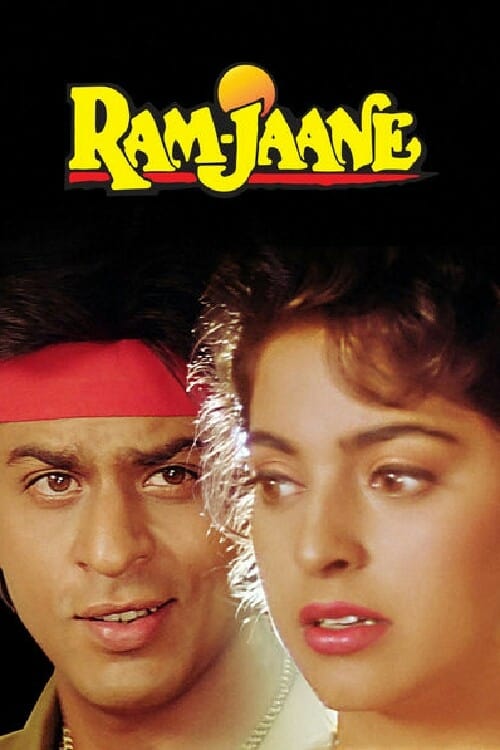
1995
No reviews yet. Be the first to share your thoughts on this movie!
Use the rating form above to leave a star rating and optional review.