Ah, l'Amour
1995
No user ratings available yet
Representation score: 7.4 out of 10
Representation Score
Fair
2000
UnratedDirector
Don Hertzfeldt
Runtime
10 minutes
Average Rating
No ratings yetNew Showbiz Analysis
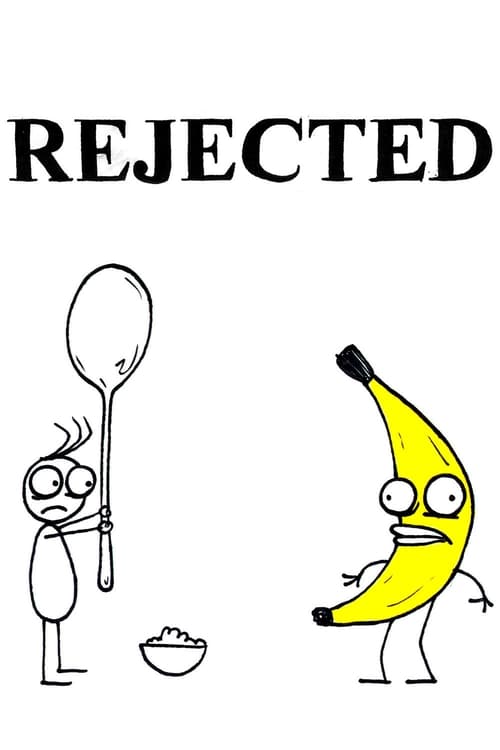
Don Hertzfeldt’s *Rejected* is a work of formalist experimentation that prioritizes absurdist aesthetics over demographic representation. By using stick-figure iconography, the film sidesteps conventional identity markers in favor of a surrealist exploration of existential chaos. The film lacks meaningful characters who reflect more than one aspect of diversity, as its minimalist style presents characters as undifferentiated entities. While it avoids reinforcing traditional patriarchal or racial structures, it does so through erasure rather than active, inclusive storytelling. Ultimately, the work's strength lies in its postmodern skepticism. It rejects traditional moral frameworks and social cohesion, offering a deconstructionist approach that challenges the viewer's expectations of a structured reality.
Category Breakdown
The film's minimalist visuals make it hard to determine characters' sexual orientations or genders. There are no clear representations of same-sex relationships or non-binary identities.
Characters are portrayed without any gender-specific traits. By removing social markers, the film challenges traditional gender roles through total erasure rather than active subversion.
The use of stick figures creates a neutral appearance, avoiding specific racial characteristics. This results in a lack of intentional racial diversity.
The film focuses on absurdity rather than traditional cultural norms. It replaces conventional Western values with chaotic, nonsensical behaviors, disrupting expected social order.
Physical trauma and bodily dysfunction are used as tools for surreal humor. These elements serve as temporary comedic devices rather than exploring disability as a lived experience.
Present on Screen
Limited or Absent
Official Synopsis
In the spring of 1999, the Family Learning Channel commissioned animator Don Hertzfeldt to produce promotional segments for their network. The cartoons were completed in five weeks. The Family Learning Channel rejected all of them upon review, and they were never aired...
1995

2012
1997

2019
2003
2006
1996
2010
No reviews yet. Be the first to share your thoughts on this movie!
Use the rating form above to leave a star rating and optional review.