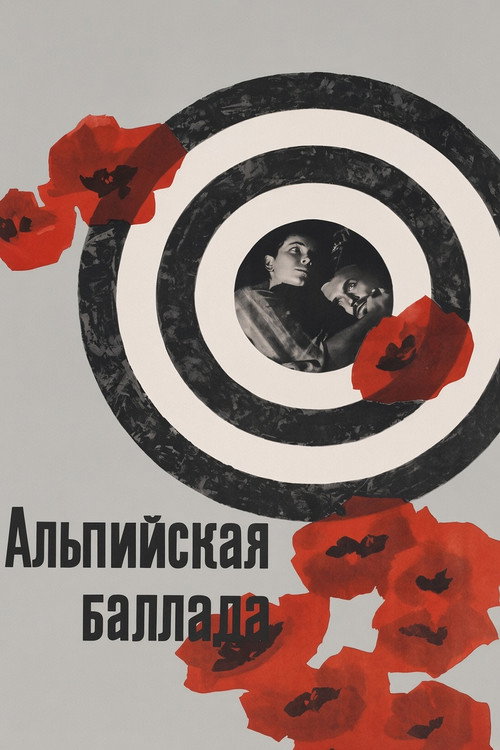
Alpine Ballad
1965
No user ratings available yet
Representation score: 3.9 out of 10
Representation Score
Good
1978
Director
Zdravko Velimirović
Runtime
104 minutes
Average Rating
No ratings yetNew Showbiz Analysis
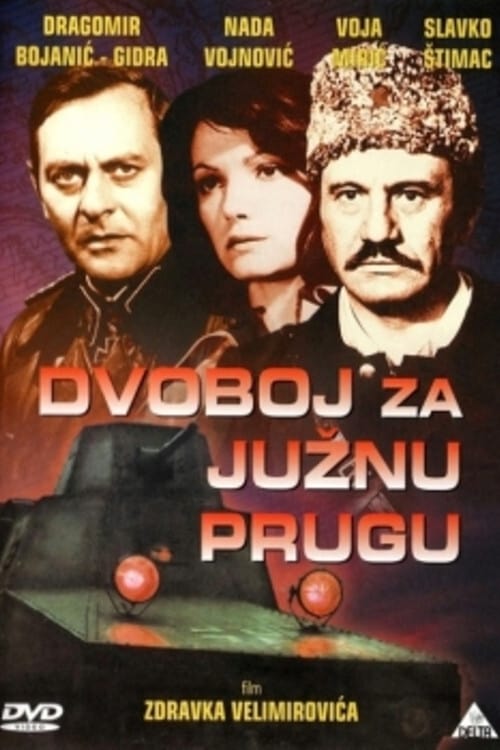
The film 'South Railway Battle' is a work of historical resistance cinema that emphasizes collective solidarity and anti-fascist values. By focusing on a multi-ethnic coalition against German and Bulgarian forces, the film highlights the importance of unity against oppression. While the film effectively portrays cultural and ethnic diversity, it lacks contemporary markers of representation. There is no evidence of LGBTQ+ identities or nuanced portrayals of disability, with the latter serving mainly to illustrate the costs of war. Overall, the film's diversity is rooted in its political message rather than individual character development, making it a study of communal solidarity against monolithic powers.
Category Breakdown
The film does not include explicit representations of LGBTQ+ identities or non-straight relationships. The storyline focuses on the socio-political struggle of the resistance movement.
Women are shown as active participants in the resistance effort, often taking leading roles in intelligence and combat. However, the film maintains a moderate level of representation typical of the genre.
The story centers on a coalition of Partisans from various ethnic backgrounds fighting against German and Bulgarian forces. This highlights diverse regional identities united against a common enemy.
The film presents a strong anti-imperialist and anti-fascist perspective. It critiques colonial structures by emphasizing communal solidarity and resistance against oppressive state authority.
Physical injuries and trauma are likely present due to the violent nature of the conflict. However, disability functions primarily as a plot device rather than a nuanced character trait.
Present on Screen
Limited or Absent
Official Synopsis
Autumn, 1941. Tito's partisans are ordered to attack a railway network system used by the Germans, their Bulgarian allies and local collaborators. A bloody battle ensues.
1965
1996
1976
1980
1975
1969
1974
1981
No reviews yet. Be the first to share your thoughts on this movie!
Use the rating form above to leave a star rating and optional review.