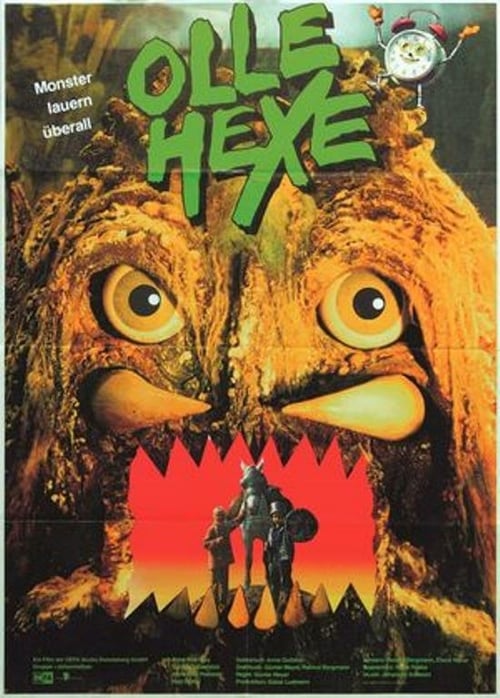
Ol' Witch
1991
No user ratings available yet
Representation score: 6.1 out of 10
Representation Score
Limited
1988
GDirector
Ken Annakin
Runtime
100 minutes
Average Rating
No ratings yetNew Showbiz Analysis
The film explores childhood autonomy and challenges traditional social hierarchies. By focusing on a protagonist who exists outside the typical nuclear family structure, it disrupts expectations of domestic stability and parental oversight. While the film successfully subverts traditional gender roles, it remains limited by a lack of diverse representation, particularly in terms of LGBTQ+ identities and disabilities. The narrative's strength lies in its emphasis on individual freedom and personal ability to act over institutional norms.
Category Breakdown
The film does not include any LGBTQ+ characters or narratives. The social dynamics focus on traditional relationships without incorporating queer identities or storylines.
Pippi Longstocking subverts traditional feminine stereotypes through her immense physical strength and independence. She defies submissive roles and challenges the idea that women should conform to traditional gender norms.
The cast remains largely uniform, reflecting the regional setting of the source material. There is no indication of intentional racial diversity among the main characters.
The story criticizes bourgeois structures and rigid institutions. Pippi’s independent lifestyle rejects conventional societal norms in favor of personal freedom and whimsy.
There are no visible or invisible disabilities portrayed within the central cast. Characters with disabilities are not used as narrative devices.
Present on Screen
Limited or Absent
Official Synopsis
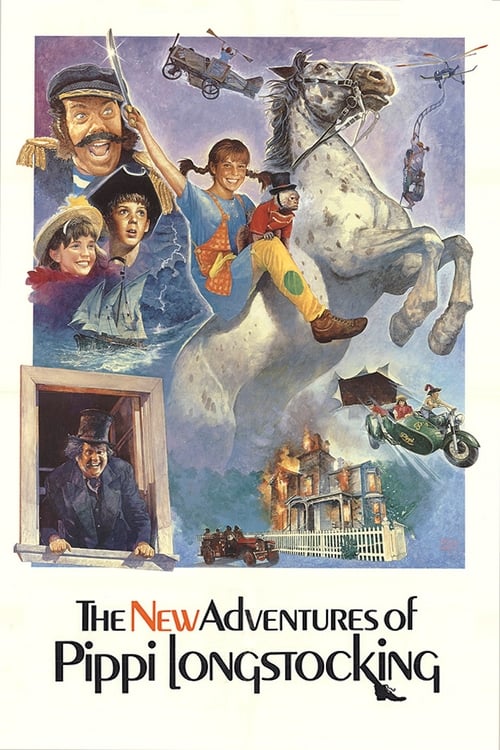
After her father's ship is carried off by a sudden storm, the spunky Pippi Longstocking is stranded with her horse, Alfonso,and her pet monkey, Mr. Neilson, and takes up residence in the old family home, which is thought by neighborhood children to be haunted. Soon, two children, Tommy and his sister Anika, venture into the house only to meet up with Pippi. The three soon become friends and get into various adventures together, including cleaning the floor with scrubbing shoes, dodging the "splunks", going down a waterfall in barrels, and helping Pippi with the problem of having to go to an orphanage. Older children will probably get the most out of this movie.
1991
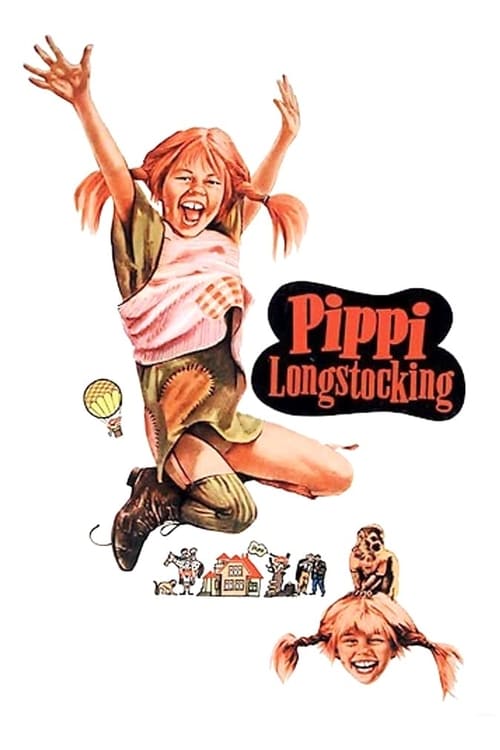
1969
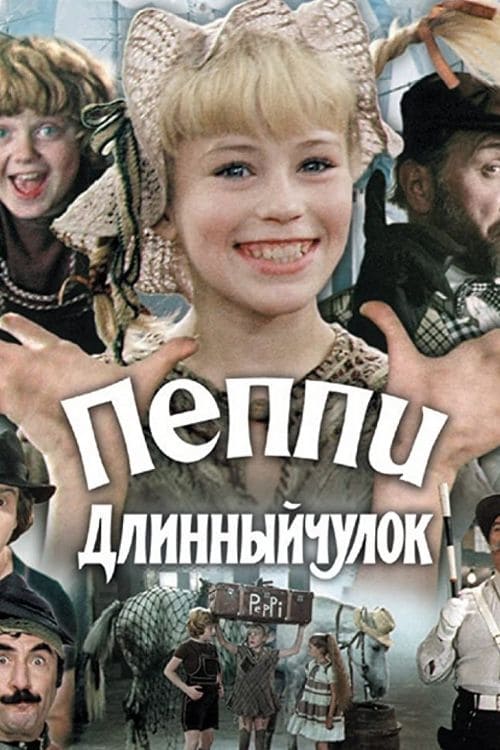
1984
1984
1997
1977
1969

1995
No reviews yet. Be the first to share your thoughts on this movie!
Use the rating form above to leave a star rating and optional review.