To the Stars
2019
No user ratings available yet
Representation score: 6.2 out of 10
Representation Score
Good
2016
Director
Joan Carr-Wiggin
Runtime
112 minutes
Average Rating
No ratings yetNew Showbiz Analysis
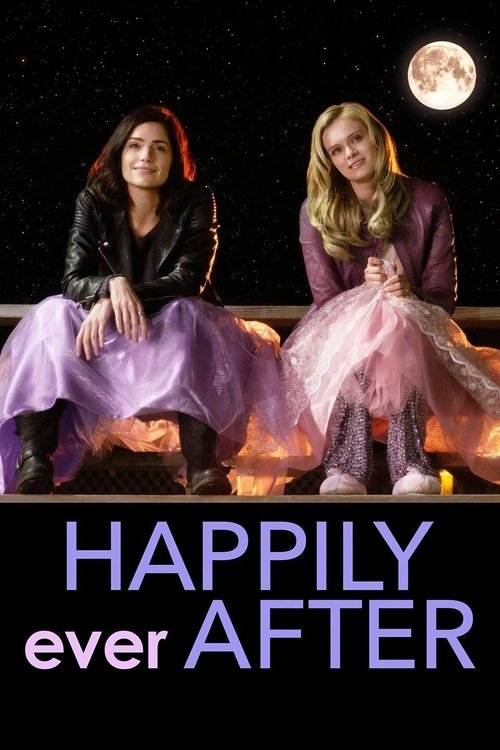
Happily Ever After is a significant piece of independent queer cinema that treats LGBTQ+ identities as central rather than secondary plot points. The narrative structure uses these identities as the primary lens for viewing the world. The film effectively challenges traditional social hierarchies by centering domesticity and romance within a non-straight-centered framework. This provides a sophisticated exploration of identity and community. While the film excels in queer representation, it lacks a clear focus on racial diversity or disability, remaining centered on the emotional truths of its specific social setting.
Category Breakdown
The film focuses entirely on queer lived experiences, particularly through a lesbian wedding. It goes beyond mere presence to explore the nuances of intimacy and identity within a small-town context.
By removing a traditional male lead from the central romantic arc, the film challenges standard patriarchal frameworks. It highlights the role of women through both the filmmaker and the bride.
The narrative emphasizes queer identity over racial diversity within its small-town setting. There is no explicit evidence of diverse ethnic blending as a primary thematic driver.
The story explores the tension between queer identity and traditional community structures. It critiques social expectations by deconstructing small-town norms and uncovering hidden truths.
There is no information available regarding the portrayal of physical or neurodivergent disabilities in this film.
Present on Screen
Limited or Absent
Official Synopsis
When Heather and Sarah Ann were growing up they told each other every secret. But Heather left their small town on the last day of high school vowing never to return. Forced to come back when her father becomes ill, the young documentary filmmaker is pressured into filming Sarah Ann's wedding video. Heather is convinced that the edgy filmmaker and bubbly pink-wearing bride have nothing in common, but as the big day approaches she finds that no one is quite what they seem – especially the old friend she thought she knew better than anyone.
2019
2022
2019
2018

2015

2016
2015
2014
No reviews yet. Be the first to share your thoughts on this movie!
Use the rating form above to leave a star rating and optional review.