Molt
2018
No user ratings available yet
Representation score: 4.0 out of 10
Representation Score
Good
2019
Not RatedDirector
Martha Stephens
Runtime
109 minutes
Average Rating
No ratings yetNew Showbiz Analysis
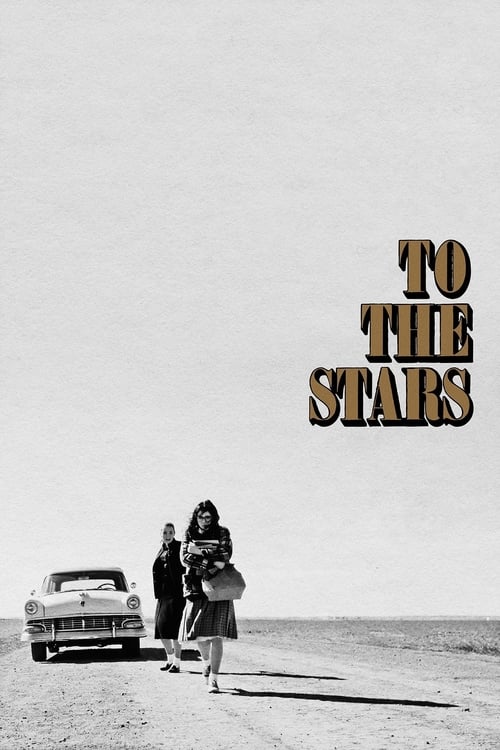
To the Stars is a nuanced character study set in restrictive 1960s Oklahoma, exploring the tension between personal identity and societal structures. It highlights the importance of personal freedom and the struggle against patriarchal norms. However, the film's scope is limited by its historical setting, which focuses on a homogeneous social group, resulting in less racial diversity.
Category Breakdown
The film focuses on a romantic relationship between two young women in the 1960s, challenging the era's assumptions about relationships and offering a meaningful portrayal of queer intimacy.
Women's ability to drive the story through their intellect and emotions subverts traditional gender roles. They navigate a patriarchal society by rebelling intellectually and emotionally to maintain their autonomy.
The cast mirrors the demographics of rural 1960s Oklahoma, limiting the diversity of racial backgrounds. However, this reflects the historical context rather than excluding diverse representation intentionally.
The story critiques the pressures of community conformity and social scrutiny, prioritizing individual truth over the strict religious and social norms of the mid-century era.
There are no prominent depictions of visible or invisible disabilities that play a central role in the narrative.
Present on Screen
Limited or Absent
Official Synopsis
Under small-town scrutiny, a withdrawn farmer’s daughter forges an intimate friendship with a worldly but reckless new girl in 1960s Oklahoma.
2018
2018

2018

2022

2020

2021

2019

2020
No reviews yet. Be the first to share your thoughts on this movie!
Use the rating form above to leave a star rating and optional review.