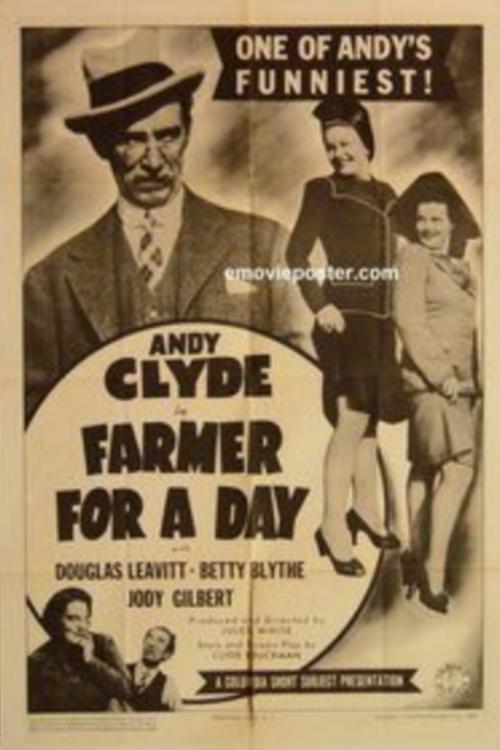
Farmer for a Day
1943
No user ratings available yet
Representation score: 0.6 out of 10
Representation Score
Minimal
1943
ApprovedDirector
Ray McCarey
Runtime
64 minutes
Average Rating
No ratings yetNew Showbiz Analysis
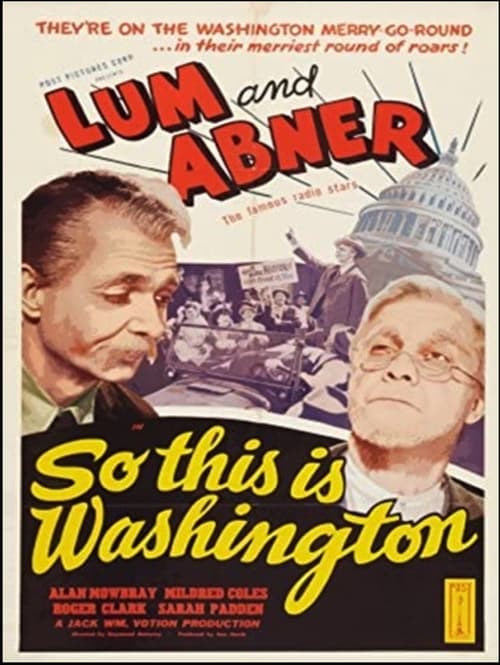
This wartime comedy upholds mid-century social norms and emphasizes patriotism. The plot follows Lum and Abner as they try to help the war effort with a homemade licorice substitute, reinforcing their place within established national structures. The film minimally disrupts conventional narrative expectations, prioritizing civic duty and small-town ingenuity over the deconstruction of social hierarchies or systemic critique. Overall, it reflects the homogeneous casting and institutional alignment typical of the 1940s studio system.
Category Breakdown
The film does not include any characters with non-straight or non-cisgender identities. It adheres closely to the societal norms of 1943.
The humor revolves around male-dominated slapstick and rural male friendships. There is no indication of challenging traditional gender roles.
The story focuses on a specific, localized American archetype and aligns with the homogeneous casting standards of the early 1940s studio era.
The story promotes patriotism and support for the government during wartime. It portrays the protagonists' efforts as a positive contribution to society.
There is no evidence of characters with visible or invisible disabilities being portrayed with significant roles or as central to the narrative.
Present on Screen
Limited or Absent
Official Synopsis
Lum and Abner go to Washington to aid in the war effort by giving the government what they think is a good substitute for rubber--Abner's homemade licorice.
1943

1938
1943
1942

1939
1933
1943
1941
No reviews yet. Be the first to share your thoughts on this movie!
Use the rating form above to leave a star rating and optional review.