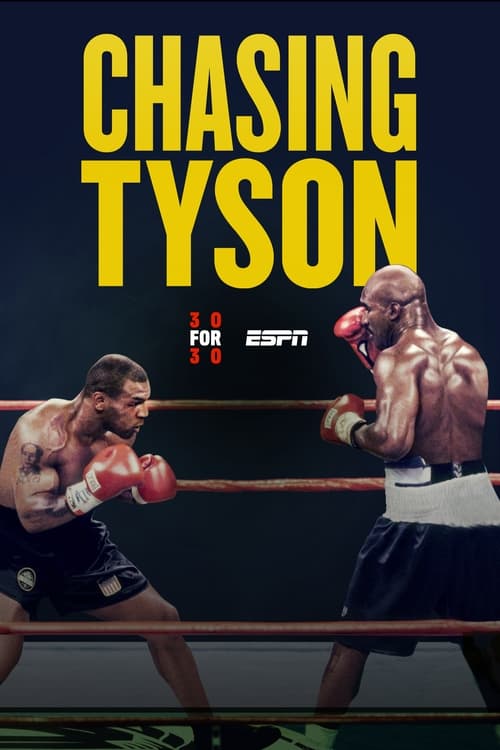
Chasing Tyson
2015
No user ratings available yet
Representation score: 1.4 out of 10
Representation Score
Limited
2008
Director
John Dower
Runtime
90 minutes
Average Rating
No ratings yetNew Showbiz Analysis
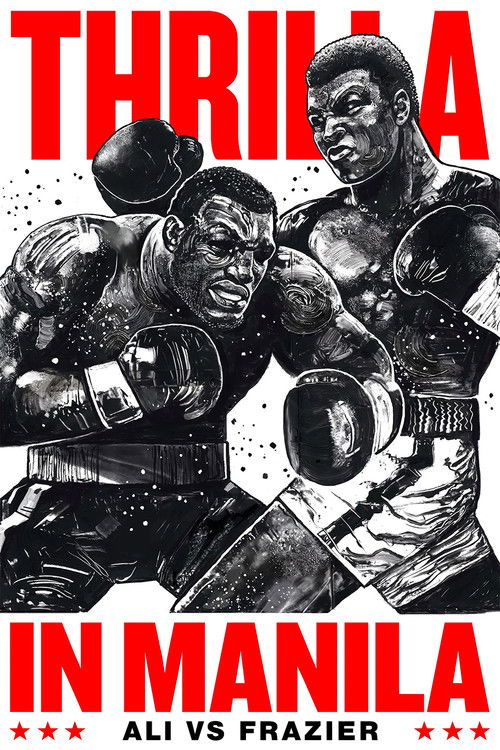
Thrilla in Manila stands out as a socio-political reconstruction that goes beyond typical sports narratives. By intertwining the Ali-Frazier rivalry with broader themes of identity and state power, the film offers a sophisticated analysis. Its strength lies in its ability to shift away from a Western-centric viewpoint, treating the Philippines as a central player in a multifaceted narrative involving race and globalized entertainment. However, the film's heavy emphasis on masculine combat and political leadership limits its scope, focusing primarily on physical dominance and traditional hierarchies.
Category Breakdown
The film does not include any LGBTQ+ characters or narratives. It focuses solely on the athletic rivalry and geopolitical landscape of the 1975 match.
The film emphasizes a hyper-masculine environment, focusing on heavyweight boxing and male-dominated political spheres. Although Imelda Marcos provides a brief look at female political influence, the overall narrative reinforces traditional masculine hierarchies.
The documentary highlights African American figures within a Southeast Asian context, examining race, global sports politics, and the ability to act of non-Western subjects. It effectively uses the Philippines setting to explore these themes.
The film critically examines the Marcos regime and state propaganda, delving into post-colonial tensions and how a capitalist sporting event was used by a dictatorship.
The film does not significantly address physical or neurodivergent disabilities. The physical demands of the match are discussed in terms of athletic endurance and trauma rather than disability.
Present on Screen
Limited or Absent
Official Synopsis
On October 1, 1975, World Heavyweight Boxing Champion Muhammad Ali was in the ring with his arch rival Joe Frazier for the third time. This fight in the Philippines, which has been nicknamed "Thrilla in Manila," is considered one of the most dramatic boxing matches in history - in the words of the voice-over, "They hated each other." With the help of archive material and eyewitness accounts (including Imelda Marcos), this documentary not only reconstructs the match, but shows us what was happening behind the scenes as well.
2015
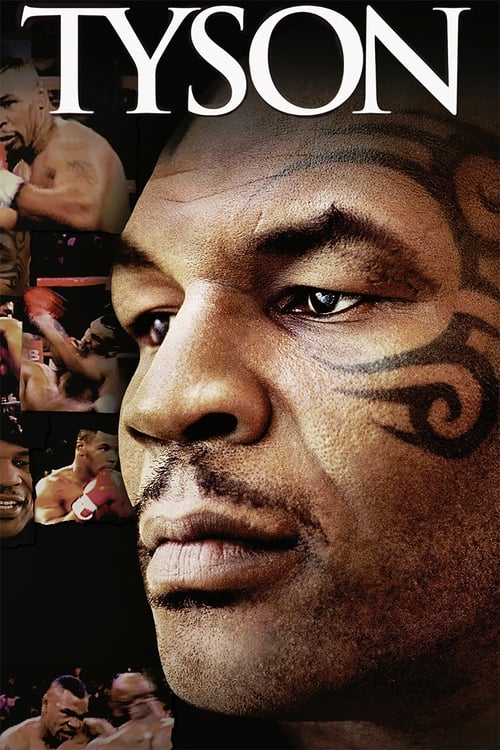
2008
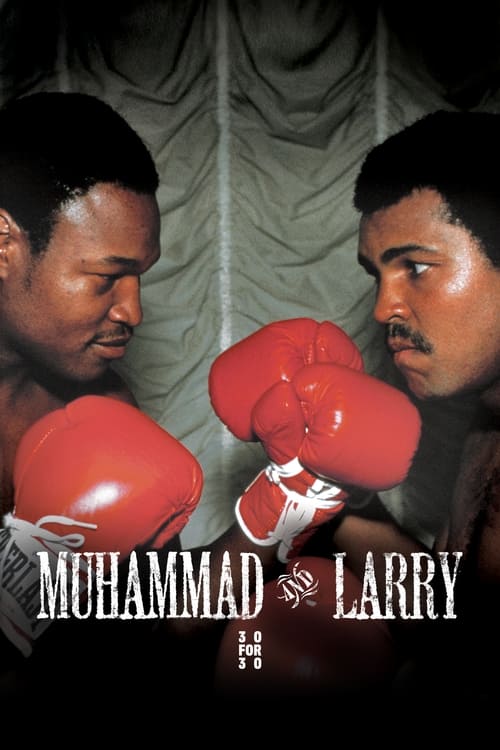
2009
2016
2012

2017
1974
2009
No reviews yet. Be the first to share your thoughts on this movie!
Use the rating form above to leave a star rating and optional review.