L'argent fait le bonheur
1998
No user ratings available yet
Representation score: 8.5 out of 10
Representation Score
Fair
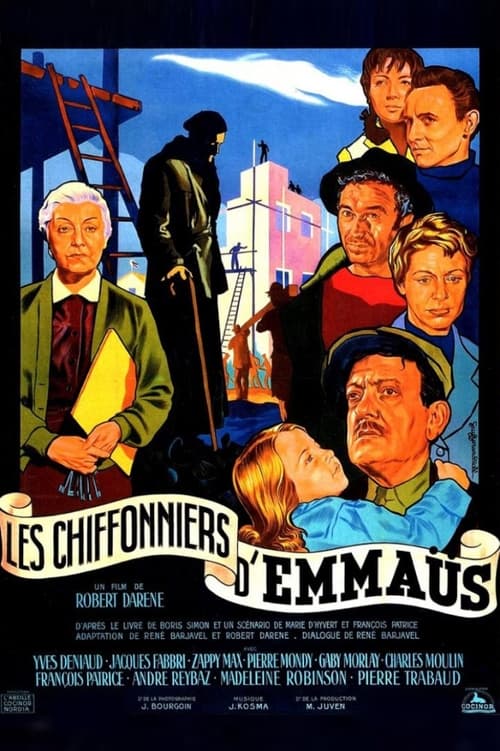
1955
Director
Robert Darène
Runtime
100 minutes
Average Rating
No ratings yetNew Showbiz Analysis
Robert Darène’s film is a humanistic study of communal resilience. It succeeds in portraying socio-economic diversity by bringing together various underrepresented groups, such as unemployed drivers and former paratroopers, to form a functional community. However, the film remains tied to the social and gender norms of 1955. The narrative structure is centered on male leadership and traditional demographic structures, offering little disruption to established identity hierarchies. Ultimately, the work functions as a social drama focused on poverty and solidarity rather than a vehicle for progressive representation or the subversion of traditional social roles.
Category Breakdown
The film lacks explicit LGBTQ+ characters or narratives that explore non-straight relationships. It focuses on a communal brotherhood of men, which does not provide evidence of queer identities.
Male figures, including the Abbé and the ragpickers, play a central role in the story. While underprivileged families are mentioned, the narrative remains heavily dominated by male characters.
The cast appears to reflect a largely homogeneous European population. The focus on post-war French social realism suggests a lack of multi-ethnic representation.
The story highlights social solidarity among those struggling economically. While it features a religious leader, it emphasizes the hardships faced by those on the fringes of the economy.
The film explores systemic vulnerability and social displacement. The inclusion of former paratroopers suggests a narrative dealing with the consequences of trauma and hardship.
Present on Screen
Limited or Absent
Official Synopsis
The Emmaüs community opened and functioned thanks to the generous impetus of Abbé Pierre Groues, bringing together a cross-section of the underprivileged: unemployed truck drivers, former paratroopers, young people leaving prison, etc., and underprivileged families. The "ragpickers" manage to make a bit of money by practicing the art of "chine", while the abbé tries his hand at winning radio games. The accident and death of one of them will unite the Emmaus companions even more.
1998

2020
1995

1967
1929
1983
1977
1991
No reviews yet. Be the first to share your thoughts on this movie!
Use the rating form above to leave a star rating and optional review.