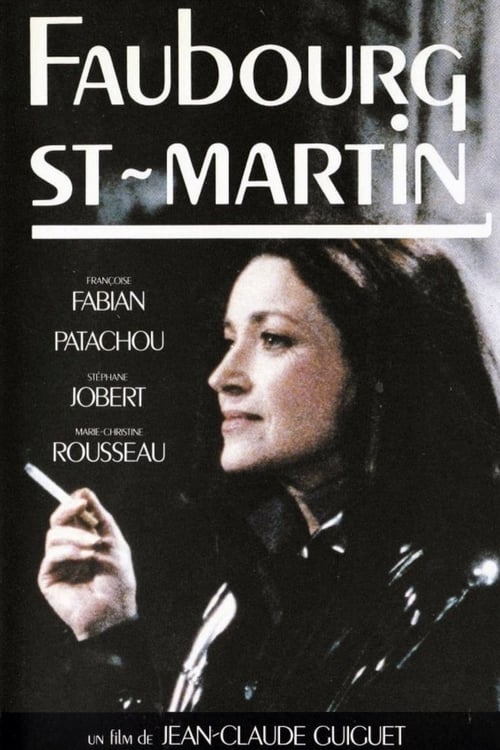
Faubourg St Martin
1986
No user ratings available yet
Representation score: 4.7 out of 10
Representation Score
Excellent
1995
Director
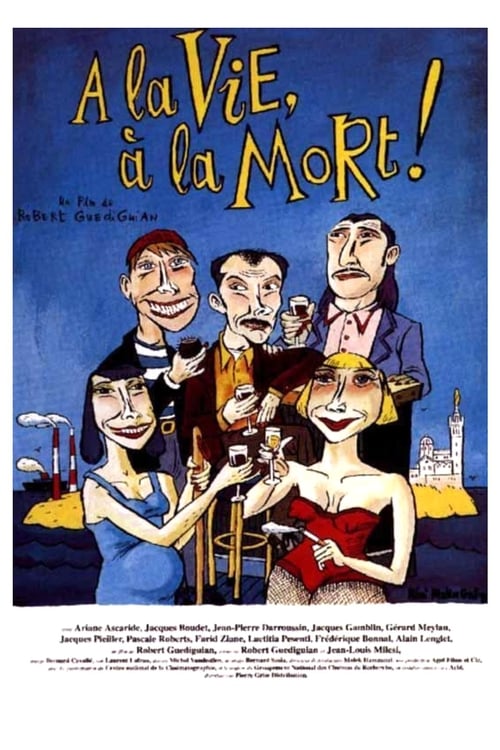
Robert Guédiguian
Runtime
108 minutes
Average Rating
No ratings yetNew Showbiz Analysis
Robert Guédiguian’s work shines in portraying the dignity of the working class. By emphasizing the emotional resilience of women and the communal bonds of the 'die-hards,' the film effectively challenges traditional masculine authority and provider roles. The film’s greatest strength lies in its critique of capitalist structures. Using the industrial backdrop of Estaque, it highlights how economic instability impacts the collective rather than individual success. However, the narrative remains confined by traditional social frameworks. It lacks meaningful representation for LGBTQ+ identities and characters with disabilities, focusing instead on traditional domestic and socioeconomic struggles.
Category Breakdown
The film focuses on traditional heterosexual relationships and lacks characters with non-binary gender identities or narratives that challenge heteronormativity.
Women such as Joséfa and Marie-Sol play key roles in the community's emotional life. The film challenges traditional stereotypes by showing men as individuals dealing with unemployment and unstable home lives.
Including José, a member of the Romani community, adds ethnic diversity to the community. This provides a rich cultural texture reflecting a nuanced Mediterranean society.
The narrative strongly critiques capitalism by highlighting economic hardships. It emphasizes communal bonds and collective survival over individual success driven by market forces.
The story does not feature characters with visible or invisible disabilities. The narrative focuses on socioeconomic and age-related pressures rather than neurodivergence or physical disabilities.
Present on Screen
Limited or Absent
Official Synopsis
In Estaque, a northern suburb of Marseilles, stuck between oil refinery smokestacks and the Mediterranean sea, a handful of die-hards has taken refuge in a cabaret. There is José, the owner, a big-hearted gypsy who loves cars and women's bodies; Joséfa, his wife, the establishment's stripper despite her advanced years and Marie-Sol who climbs the hill every day to visit Notre-Dame de la Garde and beseech Virgin Mary to give her a child. There is Patrick, her husband who has been unemployed for ages but who is kind despite appearances and their friend Jaco who is having a hard time. His wife and daughters hate him for not keeping up on the mortgage repayments. Last but not least is Papa Carlossa who believes that Franco still rules Spain and fantasizes about bumping him off.
1986

1984
2006
1967
2019
1989

1995

1993
No reviews yet. Be the first to share your thoughts on this movie!
Use the rating form above to leave a star rating and optional review.