The Horn Blows at Midnight
1945
No user ratings available yet
Representation score: 0.8 out of 10
Representation Score
Minimal
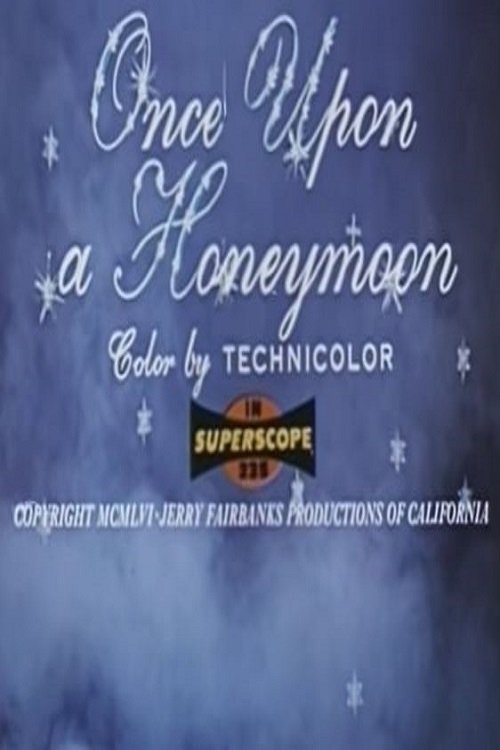
1956
GDirector
Gower Champion, Robert Scrivner
Runtime
14 minutes
Average Rating
No ratings yetNew Showbiz Analysis
Once Upon a Honeymoon is a quintessential product of the 1950s studio era. It prioritizes the reinforcement of traditional social, racial, and gender hierarchies to promote domestic stability and commercial optimism. The narrative functions largely as a vehicle for mid-century consumerism, specifically highlighting technological advancements and corporate interests. It offers no disruption to conventional societal expectations or systemic power structures. Ultimately, the film serves to uphold the status quo of its time, focusing on idealized Western institutions and traditional domestic dynamics.
Category Breakdown
The film adheres closely to the assumption that everyone is straight or cisgender. There are no characters or explorations of non-straight or non-cisgender identities.
Gender roles follow traditional mid-century hierarchies and the 'battle of the sexes' clichés. While Mary acts as a creative catalyst, her role is primarily focused on supporting her husband's professional success.
The production features a predominantly white, Anglo-Saxon cast. Despite a tropical setting, the narrative overlooks local cultures in favor of a homogeneous social environment.
The story celebrates mid-century Western consumerism and institutional stability. It idealizes the nuclear family and promotes corporate interests like AT&T as harmonious forces.
There are no visible or invisible disabilities depicted. Characters are presented through a lens of able-bodiedness typical of mainstream 1950s comedies.
Present on Screen
Limited or Absent
Official Synopsis
Thanks to the collaboration between American Telephone and Telegraph (AT&T) and Angels from Heaven a song writing working on his latest musical can finally go on his delayed honeymoon. The Angel Chief sends down Wilbur the Angel along with a wireless phone, from the 1950s, to help Jeff's muse , his wife Mary, inspire Jeff to complete the needed song. This while at the same time displaying and utilizing the latest and greatest telephone equipment. This includes color phones to match every decor. Be sure to note the matching wall cords that connect the phone to the wall.
1945
1959

1940

1943
1942
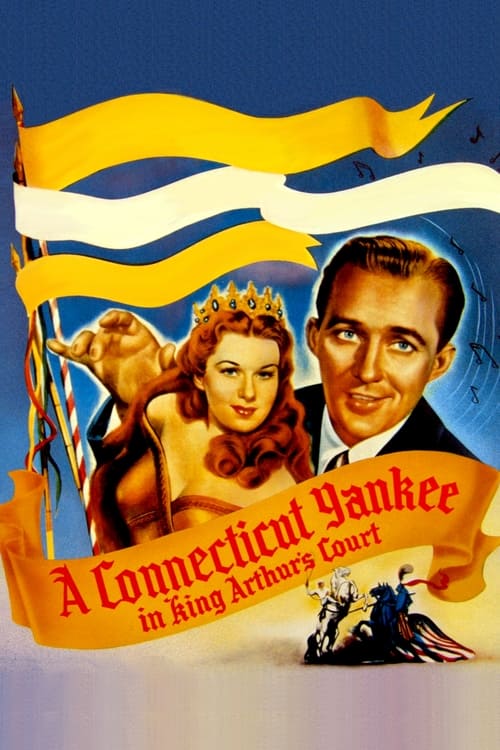
1949
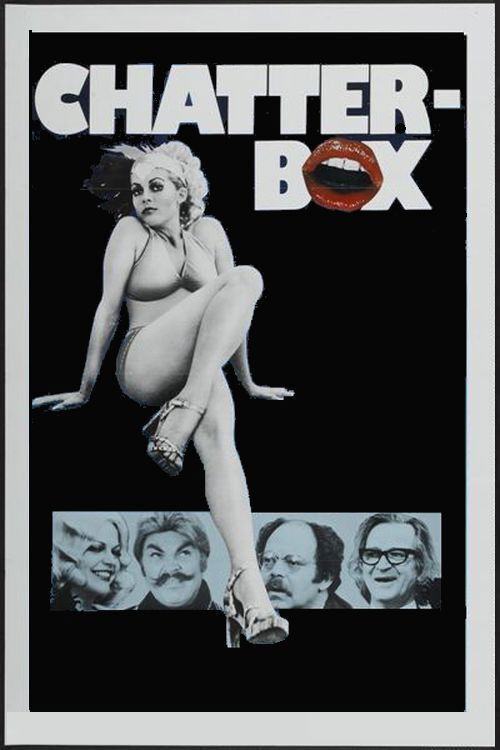
1977
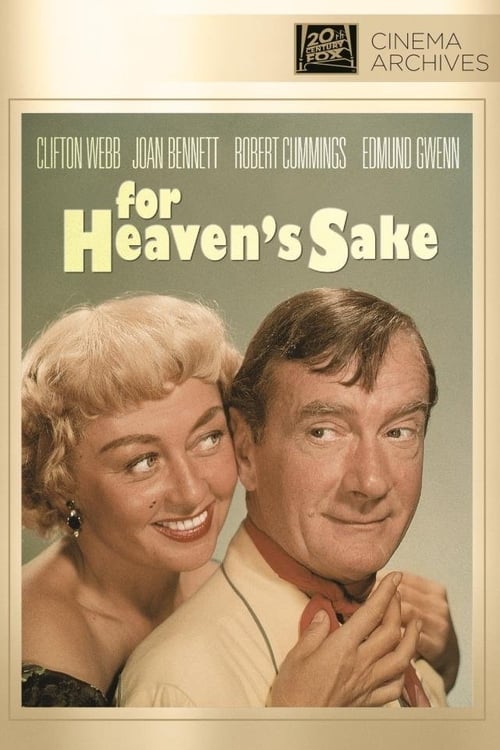
1950
No reviews yet. Be the first to share your thoughts on this movie!
Use the rating form above to leave a star rating and optional review.