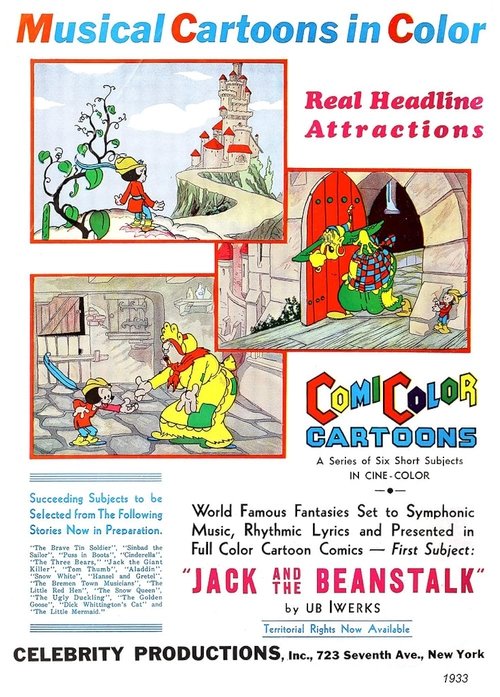
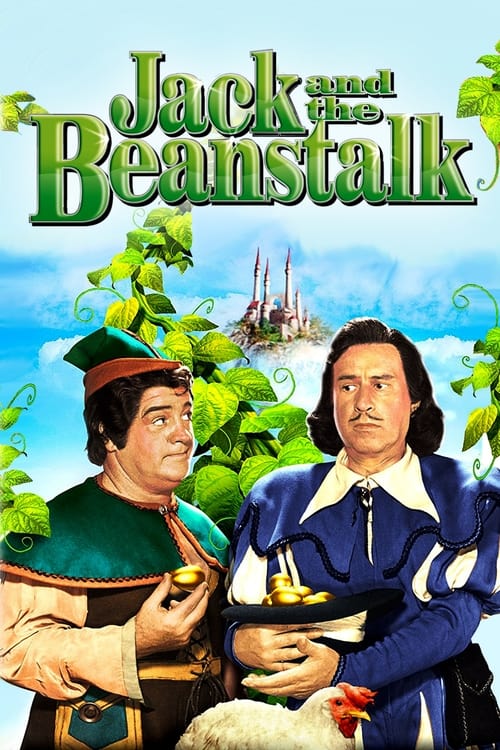
Jack and the Beanstalk
1933
No user ratings available yet
Representation score: 0.4 out of 10
Representation Score
Minimal
1952
NRDirector
Jean Yarbrough
Runtime
78 minutes
Average Rating
No ratings yetNew Showbiz Analysis
This 1952 musical comedy upholds the social structures of its time, relying on folklore archetypes and conventional morality. It presents a homogeneous cast and a binary social structure, lacking multi-layered complexity and diverse representations. The film focuses on a standard patriarchal structure and Western moral clichés, reinforcing the social norms of its era without challenging them.
Category Breakdown
The film follows the conventions that assume everyone is straight or cisgender, with no indication of non-traditional gender identities or same-sex relationships.
Jack drives the plot through his adventures, playing a significant role in the story. Female characters have little independence and mainly serve as passive foils.
The cast is uniform, reflecting the 1952 cinematic standards. There is no evidence of actors from diverse racial backgrounds.
The story is set within a traditional Western moral framework, portraying the protagonist's trickery as a heroic act without critiquing broader societal issues.
The film does not depict neurodivergence, physical disabilities, or chronic illnesses, adhering to able-bodied norms.
Present on Screen
Limited or Absent
Official Synopsis
Two down-on-their-luck loafers take a job babysitting, with a bedtime story of the titular tale turning into a wacky Abbott and Costello-faced musical retelling involving stolen cows, terrible giants, and the heroic boy with an opportunistic butcher in a castle above the clouds.
1933
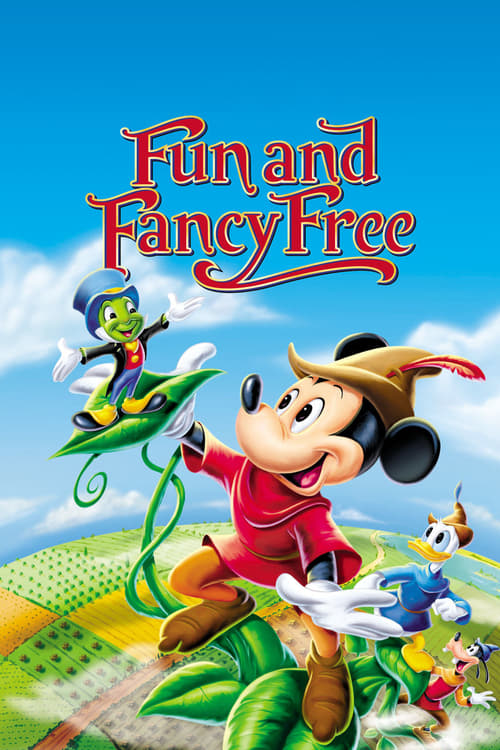
1947
1940
1945
1931
1970
1917
1999
No reviews yet. Be the first to share your thoughts on this movie!
Use the rating form above to leave a star rating and optional review.