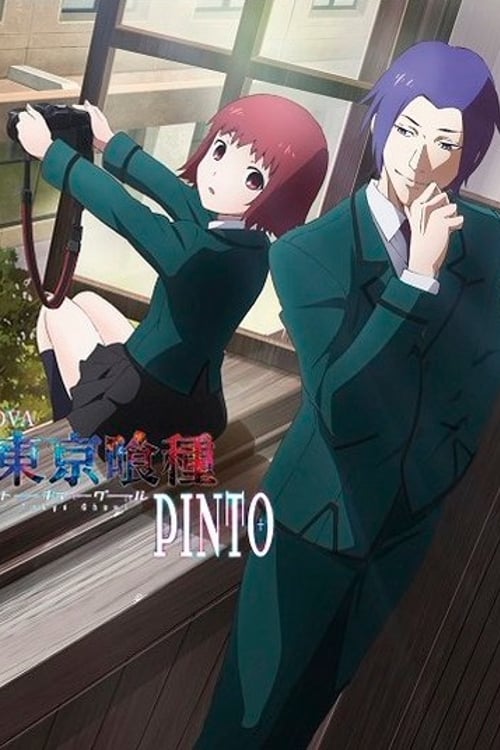
Tokyo Ghoul: Pinto
2015
No user ratings available yet
Diversity score: 5.2 out of 10
1999
Director
Susumu Nishizawa
Runtime
42 minutes
Average Rating
No ratings yetSynopsis
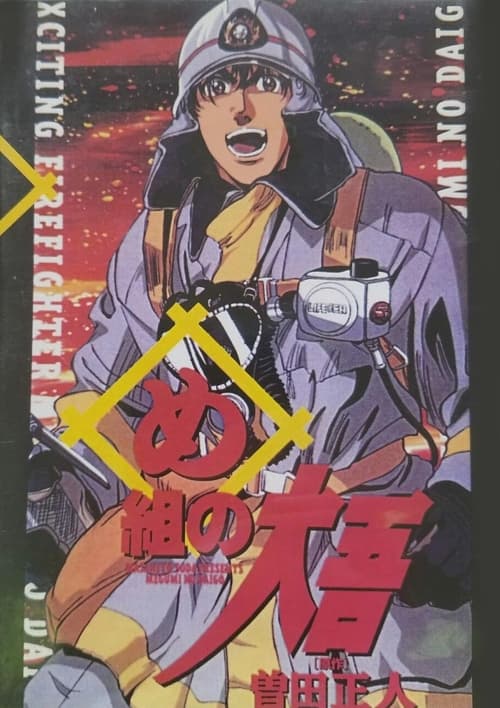
Daigo Asahina is Medaka Gumi #2's/Me Gumi's new rookie firefighter, and already he's done crazy things, like throwing people off of a rooftop to save them from an explosion. He had good intentions, but his deeds are starting to hurt the company's reputation. At Sengoku City's Concert Hall, a fire breaks, and the some Emergency Rescue Squad needs rescuing. Daigo will do all he can to keep his promise: Not to let anyone die on the job.
Overall Score
Limited
Category Breakdown
The film operates within a strictly heteronormative framework. It focuses on the camaraderie of a male-dominated brigade without exploring non-cisnormative identities or same-sex intimacy.
The narrative reinforces traditional hierarchies by centering on a male-dominated volunteer fire brigade. It emphasizes masculine leadership and physical rigor over the subversion of gender roles.
Set in 1970s Japan, the character demographics are predominantly homogeneous. The film reflects the specific cultural and historical context of the era without utilizing intersectional casting.
The story celebrates communal responsibility and respect for authority. It prioritizes collective discipline and the stability of traditional institutions over Western-style individualism.
Characters are defined primarily by the physical capabilities required for firefighting. There is no significant focus on neurodivergence or physical disabilities as central plot elements.
Strengths
Areas for Improvement
Score Reasoning
Daigo of Fire Company M is a grounded, character-driven drama that prioritizes historical and cultural realism. The narrative architecture is built around established social hierarchies, focusing on the virtues of discipline and communal cohesion within a homogeneous society. The film functions as a traditional depiction of a specific era and profession. It adheres to genre conventions that emphasize masculine agency and institutional stability rather than challenging social norms or exploring diverse identities. Ultimately, the work serves as a portrait of a specific cultural moment in Japan, favoring structural realism and the merits of disciplined service over social deconstruction.
No reviews yet. Be the first to share your thoughts on this movie!
Use the rating form above to leave a star rating and optional review.