
Pray Away
2021
No user ratings available yet
Representation score: 9.3 out of 10
Representation Score
Excellent
2011
Not RatedDirector
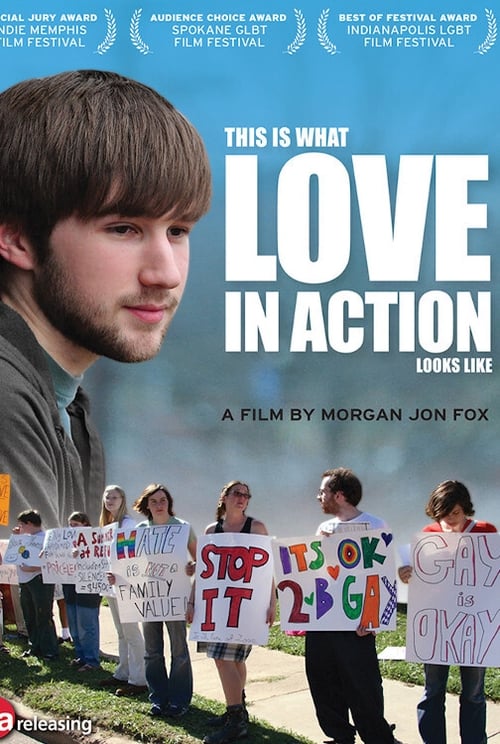
Morgan Jon Fox
Runtime
74 minutes
Average Rating
No ratings yetNew Showbiz Analysis
This documentary serves as a powerful record of social resistance against institutionalized conversion therapy. It successfully centers LGBTQ+ voices, allowing former clients to reclaim their narratives and take control against systemic coercion. The film's strength lies in its critique of how religious and parental authority can clash with individual autonomy. By framing the community protests as acts of moral necessity, it highlights the tension between traditional hierarchies and human rights. However, the film's scope is geographically and demographically narrow. While the social justice themes are strong, the lack of clarity regarding racial and ethnic diversity limits a broader understanding of the movement's composition.
Category Breakdown
The film centers entirely on the lived experiences of LGBTQ+ individuals. By prioritizing the testimony of former clients, it allows them to define their own identities and play a significant role in the story.
The narrative explores the subversion of traditional gender roles. It documents resistance against programs designed to enforce strict, traditional gender norms.
The documentary focuses on a localized event in Memphis, Tennessee. There is insufficient information to determine the specific racial composition of the protesters or clients.
The film offers a profound critique of religious fundamentalism. It prioritizes secular human rights and individual autonomy over institutionalized religious dogma.
The film touches on the psychological impact of institutionalization. It provides a window into the mental health implications resulting from systemic pressure and conversion practices.
Present on Screen
Limited or Absent
Official Synopsis
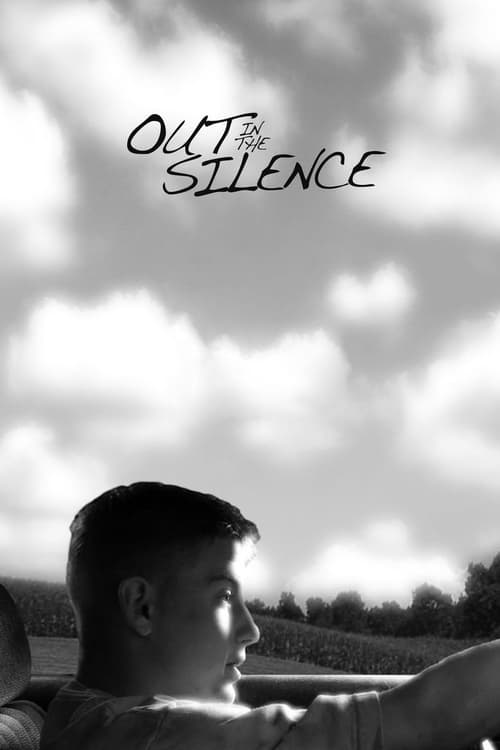
In the summer of 2005 a 16yo Memphis, TN wrote on his MySpace blog about his parents sending him to a "Fundamentalist Christian" program that strives to turn gay teens straight. This documentary follows the inspirational story of this teens local community standing up for their friend with daily protests at the facility in what would become an international news story. The documentary features several former clients of the organization who tell their personal stories about the time they spent within the programs walls.
2021
2006
2008
2018

2014

2005
2009

2007
No reviews yet. Be the first to share your thoughts on this movie!
Use the rating form above to leave a star rating and optional review.