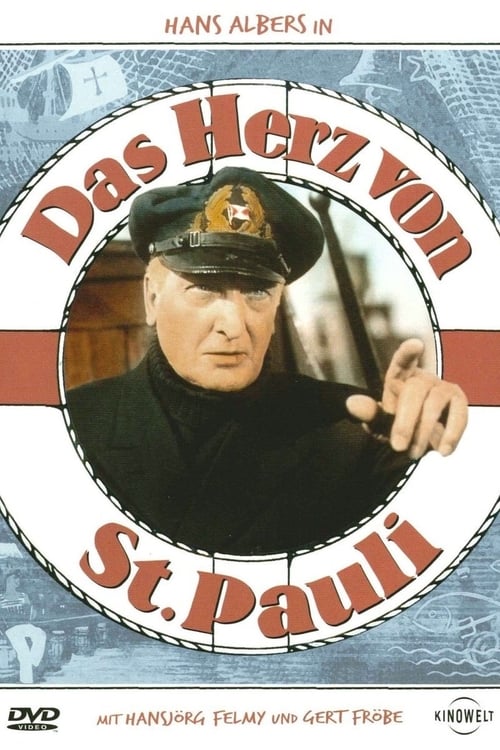
Das Herz von St. Pauli
1957
No user ratings available yet
Representation score: 1.1 out of 10
Representation Score
Minimal
1969
RDirector
Rolf Olsen
Runtime
106 minutes
Average Rating
No ratings yetNew Showbiz Analysis
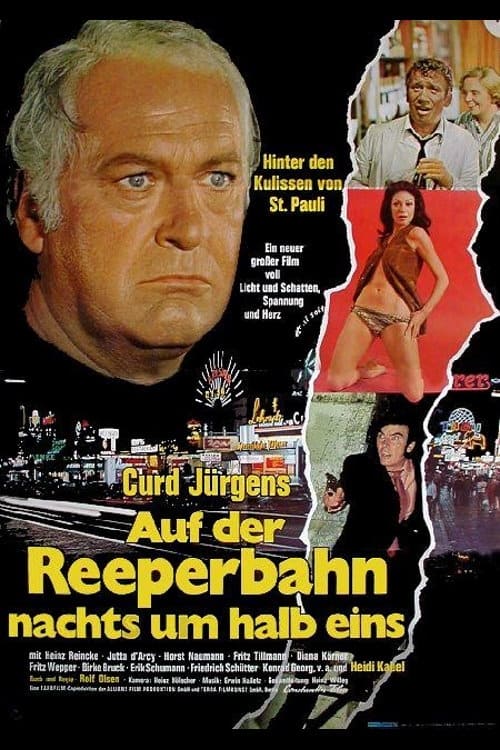
On the Reeperbahn at Half Past Midnight is a traditional crime film that reflects the social and demographic constraints of its 1969 production era. The narrative focuses on local commerce and maritime themes, limiting its scope for diverse representation. The film adheres to established mid-century cinematic norms, prioritizing conventional social structures over progressive themes. It lacks the intention to disrupt standard expectations regarding identity or social hierarchies. Ultimately, the work serves as a period-specific genre film centered on a homogeneous social environment and traditional masculine ability to act.
Category Breakdown
The film doesn't include characters with non-binary gender identities or stories that challenge the idea that everyone is straight. It follows the typical social structures seen in crime movies from the late 1960s.
Men play key roles in the story, particularly in seafaring and running pubs. The narrative emphasizes traditional masculinity in these male-dominated fields.
The setting seems to be a small, homogenous area. The film likely reflects the demographics of the time, focusing on a mostly white, European cast.
The plot revolves around restoring a business and maintaining social order. It adheres to traditional friendships and commerce without questioning Western institutions.
There is no information about characters with visible or invisible disabilities in the film.
Present on Screen
Limited or Absent
Official Synopsis
Seafarer Hannes Teversen helps his friend Pit to get his pub on the Reeperbahn going again...
1957

2013
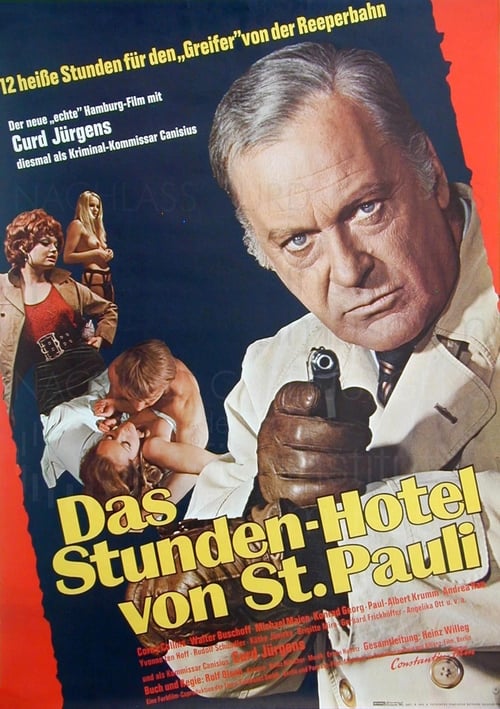
1970

1998
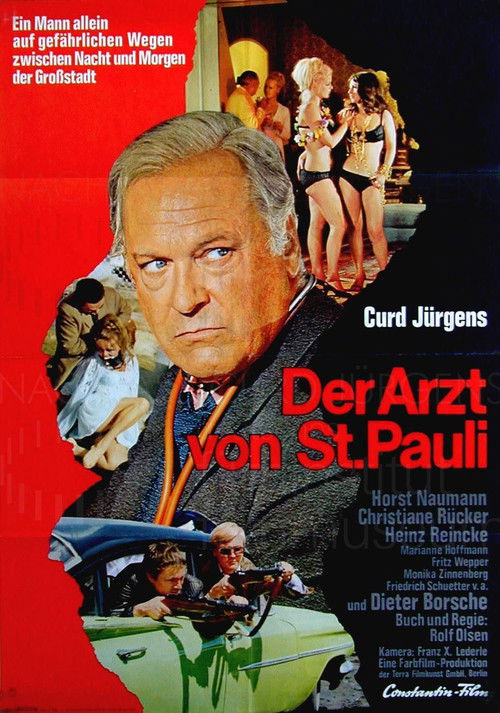
1968
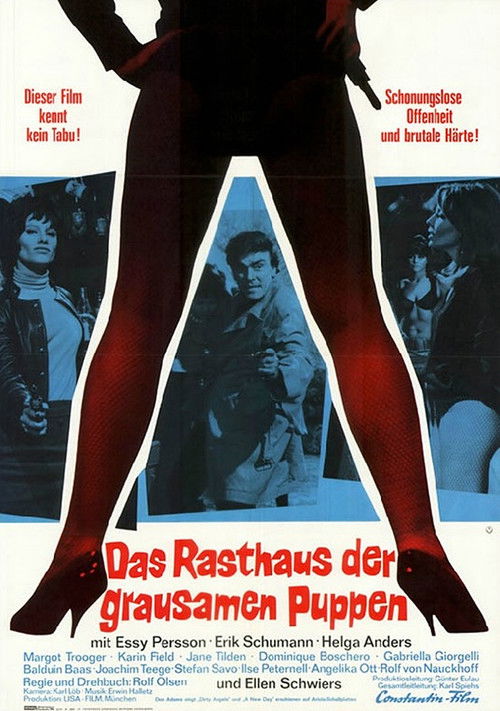
1967
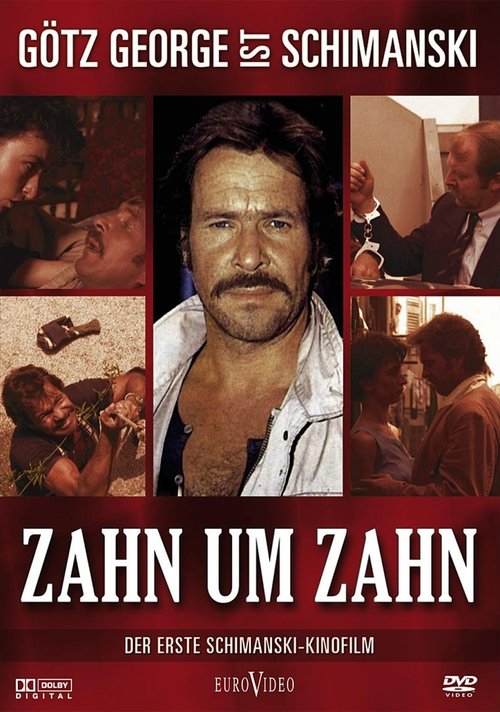
1985
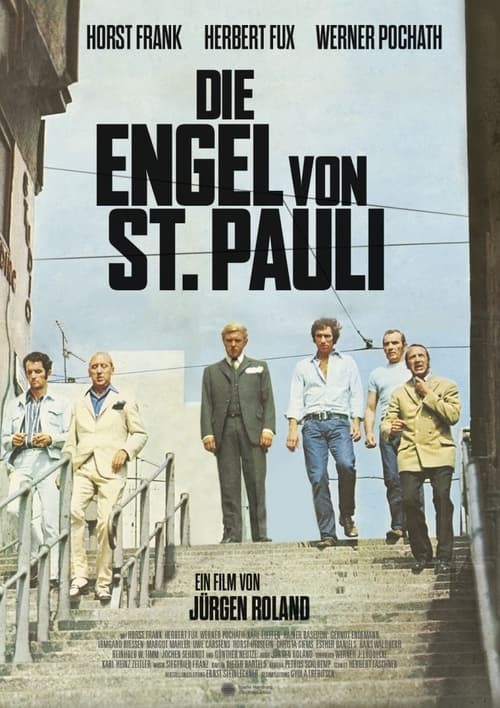
1969
No reviews yet. Be the first to share your thoughts on this movie!
Use the rating form above to leave a star rating and optional review.