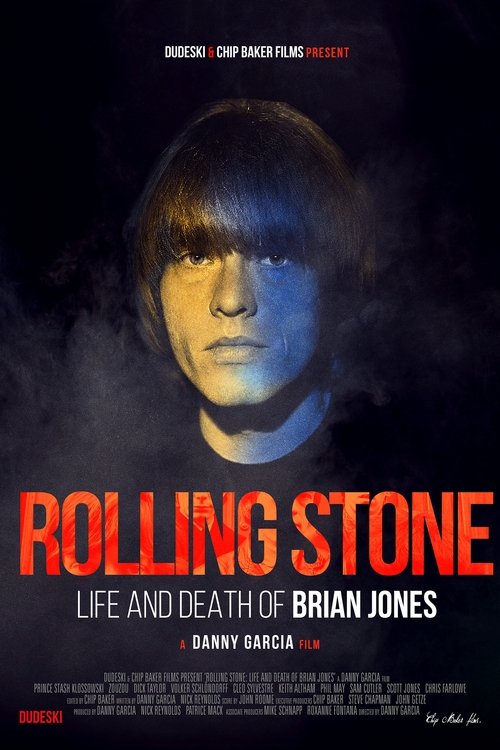
Rolling Stone: Life and Death of Brian Jones
2019
No user ratings available yet
Representation score: 6.3 out of 10
Representation Score
Fair
2019
UnratedDirector
Scott Crawford
Runtime
75 minutes
Average Rating
No ratings yetNew Showbiz Analysis
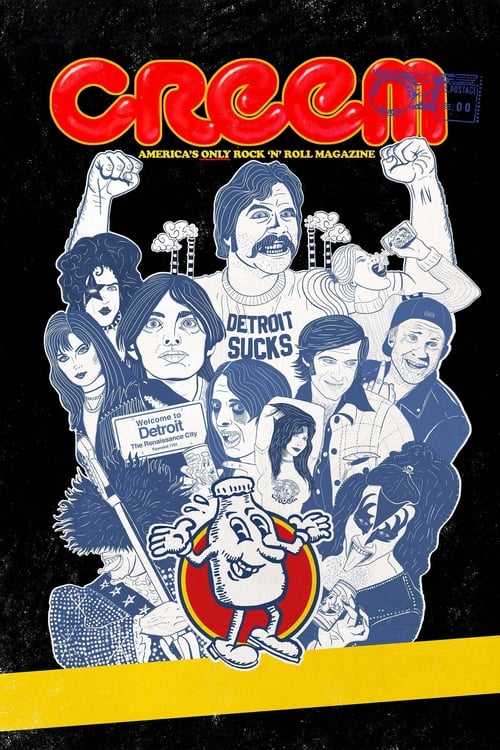
Creem: America's Only Rock 'n' Roll Magazine is a detailed historical account that captures the essence of a specific countercultural movement. It successfully documents the 'gonzo' journalistic style and its defiance of mainstream media norms. However, the film reflects the homogeneity of the 20th-century music industry, resulting in a narrative that is predominantly male-dominated and lacking in significant racial or LGBTQ+ representation. Ultimately, the documentary serves as a study of a particular subculture rather than a broad platform for demographic inclusivity, reflecting the social dynamics of the era it portrays.
Category Breakdown
The film focuses on the professional lives of editors and musicians, but it does not center on LGBTQ+ identities. Representation of LGBTQ+ individuals is limited and not a key part of the story.
The documentary highlights the roles of male editors and writers, with a notable absence of significant female voices or ability to act within the magazine’s history.
The film portrays editorial leadership as primarily white-focused. While diverse musical artists are featured, the main character arcs do not significantly explore racial diversity.
The documentary excels in capturing the 'gonzo' style and an irreverent attitude toward traditional Western institutions and corporate structures.
There is no significant evidence of characters with visible or invisible disabilities integrated into the narrative. Disability is not used as a central theme or tool for development.
Present on Screen
Limited or Absent
Official Synopsis
Explores the seminal music magazine from its 1969 launch in Detroit to the untimely death of its publisher Barry Kramer in 1981.
2019

2021
2018
1981
2017

2021

2010
2018
No reviews yet. Be the first to share your thoughts on this movie!
Use the rating form above to leave a star rating and optional review.