
Joy Division
2009
No user ratings available yet
Representation score: 3.8 out of 10
Representation Score
Limited
2002
Director
Lance Bangs
Runtime
85 minutes
Average Rating
No ratings yetNew Showbiz Analysis
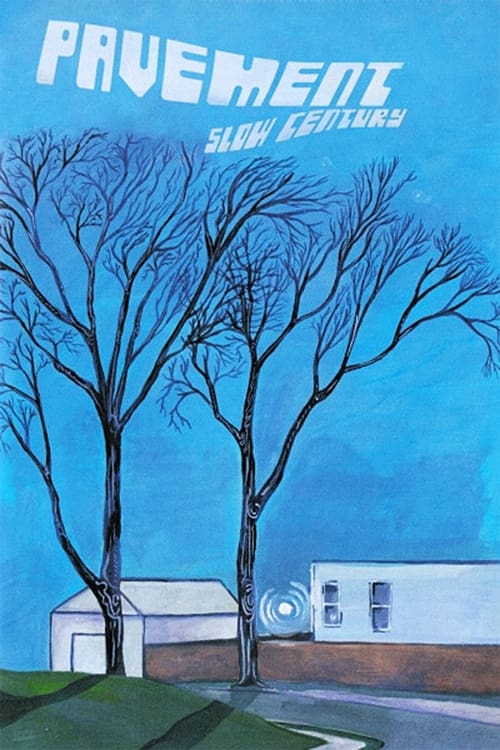
Lance Bangs' documentary serves as a detailed historical record of Pavement's career from 1989 to 1999. It emphasizes a raw, low-budget aesthetic over polished mainstream storytelling. This approach captures the essence of the indie-rock subculture without addressing broader social issues. The demographic composition of the film reflects the specific American indie rock scene of the 1990s. The subjects remain largely homogeneous, without an intentionality toward diverse representation or challenging social hierarchies. Overall, the documentary functions as a niche historical archive, successfully preserving the aesthetic of the era but not serving as a platform for broader social commentary or critique.
Category Breakdown
The film focuses on the band's career without highlighting any LGBTQ+ identities or stories involving gender diversity.
The narrative centers around the male members of Pavement, reflecting the predominantly male nature of the 1990s indie rock scene without giving significant roles to women.
The subjects of the film are mostly from a similar demographic, reflecting the specific American underground music scene of the time. There is no indication of intentional racial diversity in the casting.
The documentary highlights the band's anti-commercial stance and deconstruction of rock clichés. It serves more as a historical account rather than a critique of social issues.
The film does not focus on any visible or invisible disabilities. Disability is not used as a narrative device or central theme.
Present on Screen
Limited or Absent
Official Synopsis
Documentary tracing the existence of noted rock band Pavement from 1989 to their final performance in late 1999. The first hour is the history of the band, the last 20 minutes is uninterrupted footage of the band’s final encore.
2009
1981
2001
2021
2006

2021
2010
2010
No reviews yet. Be the first to share your thoughts on this movie!
Use the rating form above to leave a star rating and optional review.