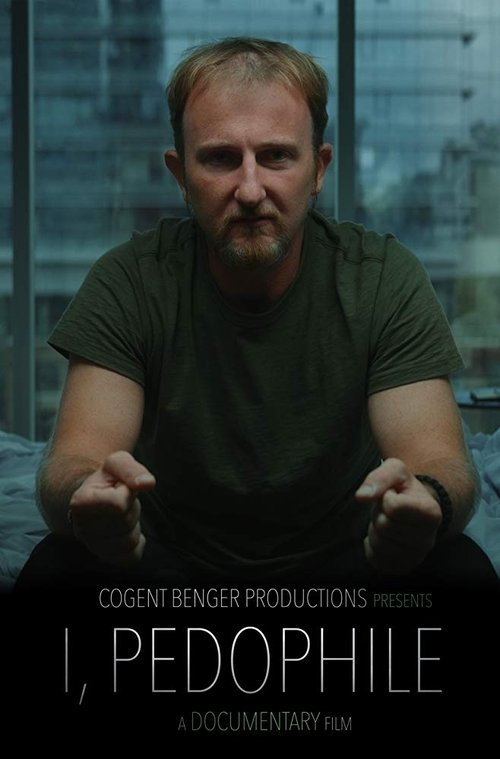
I, Pedophile
2016
No user ratings available yet
Representation score: 7.0 out of 10
Representation Score
Good
2011
Director
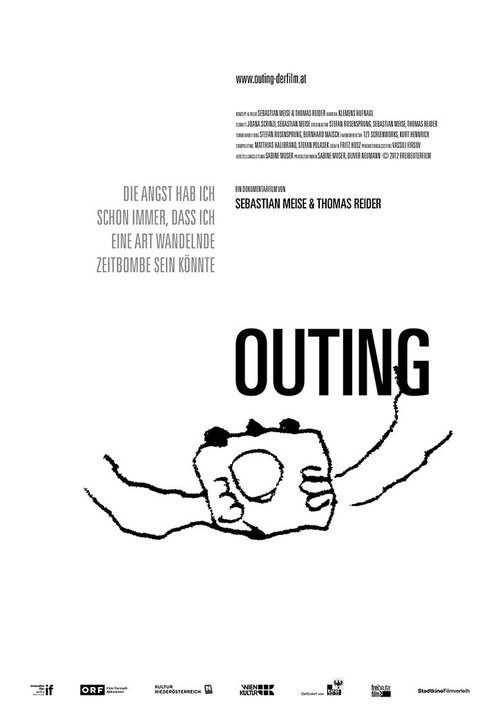
Sebastian Meise, Thomas Reider
Runtime
85 minutes
Average Rating
No ratings yetNew Showbiz Analysis
Outing is a provocative documentary that uses radical empathy to examine a deeply taboo subject. It succeeds in subverting traditional character archetypes, particularly regarding masculinity, by presenting a subject defined by self-regulation rather than impulse. The film's strength lies in its philosophical interrogation of Western moral absolutism. By questioning where guilt begins, it explores the complexities of social exclusion and systemic morality. However, the film is limited by its narrow focus. It lacks racial diversity and does not engage with broader LGBTQ+ identities, remaining a singular, highly specific case study of a controversial psychological condition.
Category Breakdown
The film focuses on a highly stigmatized sexual orientation rather than typical LGBTQ identities. It avoids negative stereotypes by emphasizing the subject's internal struggle and desire for social acceptance.
The narrative challenges the traditional predator stereotype by presenting an eloquent, educated man. It highlights extreme self-discipline and vulnerability rather than uncontrolled aggression.
The film centers on a singular, individual psychological journey within a specific social framework. There is no evidence of a diverse cast or multi-layered racial dynamics present in the narrative.
The work questions Western judicial and social morality through a lens of moral relativism. It prioritizes secular, psychological inquiry over religious certainty, challenging the absolute authority of traditional institutions.
The film explores mental health and neurodivergence through the subject's psychological condition. It avoids romanticizing the struggle, instead documenting the grueling reality of his psychological management and control.
Present on Screen
Limited or Absent
Official Synopsis
Sven is thirty, eloquent, studied archaeology and has never been guilty of anything. But, since puberty, Sven has felt sexually attracted to children. He attends therapy sessions and is determined never give in to his desires. In order to overcome his isolation, and to protect himself, Sven ventures into the public eye – a risky step that few dare to take. Filmmakers Sebastian Meise and Thomas Rieder accompanied Sven over several years and documented Sven’s struggle to deal with his sexual inclination, without being a danger to himself or others. Thoughts are free – where does guilt begin? Is society too quick to accuse? What place in society is a man like Sven allowed to take? This film puts both morals and enlightenment to the test.
2016

2021

2015

2006

2013
2004
2009
2003
No reviews yet. Be the first to share your thoughts on this movie!
Use the rating form above to leave a star rating and optional review.