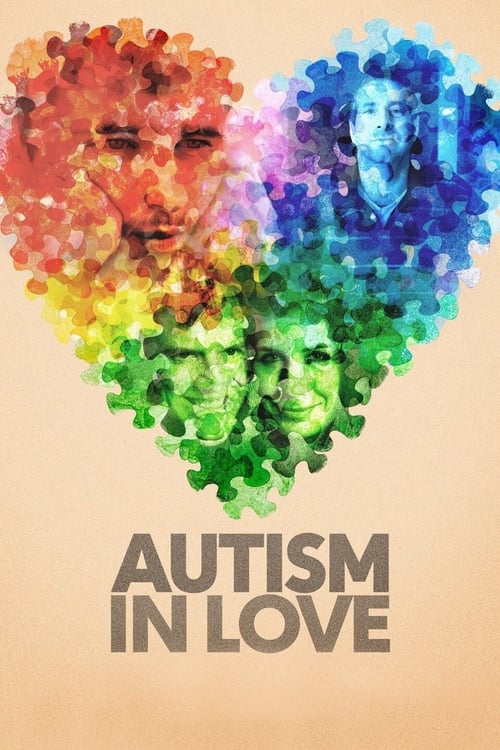
Autism in Love
2015
No user ratings available yet
Representation score: 5.8 out of 10

Representation Score
Good
2017
Director
Dan Sickles, Antonio Santini
Runtime
101 minutes
Average Rating
No ratings yetNew Showbiz Analysis
Dina is a character-driven documentary that prioritizes the complexities of neurodivergent lived experiences over traditional cinematic archetypes. It succeeds in deconstructing social norms regarding 'appropriate' behavior and neurotypical standards of intimacy. While the film lacks significant racial or LGBTQ+ breadth, it effectively centers underrepresented cognitive perspectives. The narrative provides a sophisticated portrayal of subjective truth that challenges conventional social hierarchies. Ultimately, the film's strength lies in its refusal to romanticize or condemn its subjects, opting instead for a raw, observational approach to non-conformist storytelling.
Category Breakdown
The film does not center on LGBTQ+ identities or narratives that critique the assumption that everyone is straight or cisgender. The focus remains on the neurodivergent and socioeconomic experiences of the central couple.
Dina challenges traditional gender roles by taking an active, instructional role in navigating desire. This shifts the control toward the female protagonist, challenging standard patriarchal scripts of masculine dominance.
The film depicts a suburban Philadelphia setting with a cast that does not prioritize non-white representation. The narrative focuses on class and neurodiversity within a relatively homogeneous environment.
The film presents unconventional lifestyles through a lens of realism rather than moral condemnation. It finds dignity in the mundane, working-class perspective of a Walmart greeter.
This is the film's strongest area, centering on neurologically diverse characters who play a significant role in driving the story. It avoids 'inspiration porn' by treating cognitive processing as a fundamental identity rather than a deficit.
Present on Screen
Limited or Absent
Official Synopsis
Dina, an outspoken and eccentric 49-year-old in suburban Philadelphia, invites her fiancé Scott, a Walmart door greeter, to move in with her. Having grown up neurologically diverse in a world blind to the value of their experience, the two are head-over-heels for one another, but shacking up poses a new challenge. Scott freezes when it comes to physical intimacy, and Dina, a Kardashians fanatic, wants nothing more than to share with Scott all she’s learned about sensual desire from books, TV shows, and her previous marriage. Her increasingly creative forays to draw Scott close keep hitting roadblocks—exposing anxieties, insecurities, and communication snafus while they strive to reconcile their conflicting approaches to romance and intimacy.
2015

2012

2010

2020

2020
2020

2016

2016
No reviews yet. Be the first to share your thoughts on this movie!
Use the rating form above to leave a star rating and optional review.