Crazy, Not Insane
2020
No user ratings available yet
Representation score: 7.7 out of 10
Representation Score
Limited
2026
TV-14Director
Mariel Thomas, Akhim Dev
Runtime
88 minutes
Average Rating
No ratings yetNew Showbiz Analysis
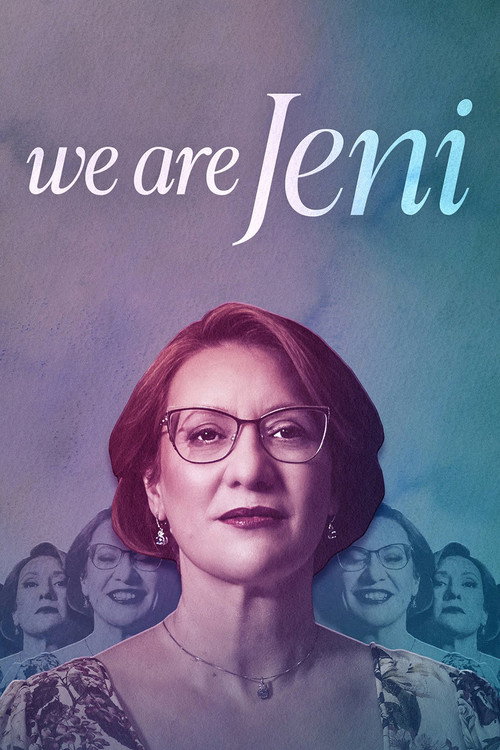
We Are Jeni earns its highest marks for disability representation by making Dissociative Identity Disorder the narrative engine rather than a peripheral trait. The film treats Dr. Haynes’s 2,500 alternate selves as vital to uncovering truth, avoiding simplistic stigmatization. Gender representation is solid but conventional: a woman leads a high-stakes legal and psychological journey, confronting powerful institutions. Her agency is clear, though the story remains tightly focused on her individual experience. The documentary falls short in racial and LGBTQ+ visibility, with no indicated diversity in casting or themes. Its cultural critique of institutional authority is compelling, yet the narrow scope limits broader representation.
Category Breakdown
No LGBTQ+ characters, relationships, or themes appear in the available plot details or cast information. The documentary focuses entirely on Dr. Jeni Haynes and her legal battle without introducing queer perspectives.
The film is driven by a woman, Dr. Jeni Haynes, who actively pursues justice against childhood abuse. She navigates complex systems of police and psychiatry as the central figure of the narrative.
The provided context does not specify the race or ethnicity of Dr. Haynes or the other individuals involved in her case. No racial dynamics or diverse casting details are evident.
The story questions established institutions like police, psychiatry, and the judiciary regarding their handling of her testimony. It frames her condition as a potential source of truth rather than a flaw.
Dissociative Identity Disorder is the central subject of the film. The narrative explores whether her alternate selves preserved the truth needed for legal history, treating her condition with significant depth.
Present on Screen
Limited or Absent
Official Synopsis
Dr Jeni Haynes lives with Dissociative Identity Disorder, her memories held by 2,500 alternate selves. When she seeks justice for childhood abuse, a decade-long investigation asks whether fractured testimony can be believed, or whether her condition preserved the truth needed to make legal history, with police, psychiatry and the judiciary aligned together.
2020

2011
1993

2023

2018

2020
2017
2010
No reviews yet. Be the first to share your thoughts on this movie!
Use the rating form above to leave a star rating and optional review.