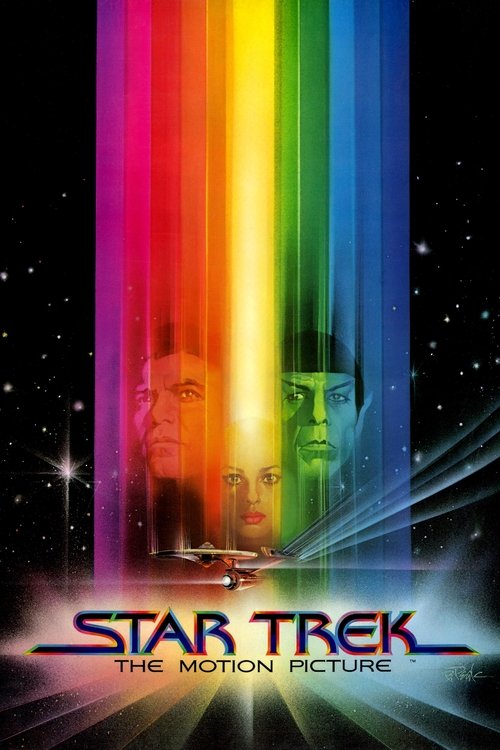
Star Trek: The Motion Picture
1979
No user ratings available yet
Representation score: 2.4 out of 10

Representation Score
Limited
2000
PGDirector
Brian De Palma
Runtime
114 minutes
Average Rating
No ratings yetNew Showbiz Analysis
Mission to Mars functions as a transitional science fiction piece. It excels by challenging traditional gendered genre expectations, giving female characters significant intellectual and professional authority. This marks a departure from older sci-fi archetypes. However, the film falls short in terms of racial and LGBTQ+ representation. The crew composition reflects a traditional, homogeneous approach to space exploration, lacking the diversity found in more contemporary narratives. Ultimately, the film's identity is shaped by its secular, existential mystery. While it avoids traditional moralistic storytelling, it remains firmly rooted in Western institutional frameworks.
Category Breakdown
The film does not include any LGBTQ+ characters or explore non-straight relationships. The interpersonal dynamics focus on traditional romantic pairings and professional hierarchies.
Women play key roles in high-level scientific positions, with Dr. Helena Scott being a central figure in the mission. The narrative avoids clichés about damsels in distress, presenting female characters as crucial to the plot's resolution.
The cast and crew are mostly white and from Western countries. Although the mission is framed globally, the crew lacks significant diversity in terms of race and ethnicity.
The story emphasizes a secular, scientific perspective over religious beliefs. It stays grounded in Western scientific institutions and hierarchical command structures.
There are no prominent depictions of visible or invisible disabilities that significantly impact the plot or serve as central character arcs.
Present on Screen
Limited or Absent
Official Synopsis
When the first manned mission to Mars meets with a catastrophic and mysterious disaster after reporting an unidentified structure, a rescue mission is launched to investigate the tragedy and bring back any survivors.
1979

1970

2012

1956

1968

1978

1998

1999
No reviews yet. Be the first to share your thoughts on this movie!
Use the rating form above to leave a star rating and optional review.