
Mission to Mars
2000
No user ratings available yet
Representation score: 3.8 out of 10
Representation Score
Limited
1979
GDirector
Robert Wise
Runtime
131 minutes
Average Rating
No ratings yetNew Showbiz Analysis
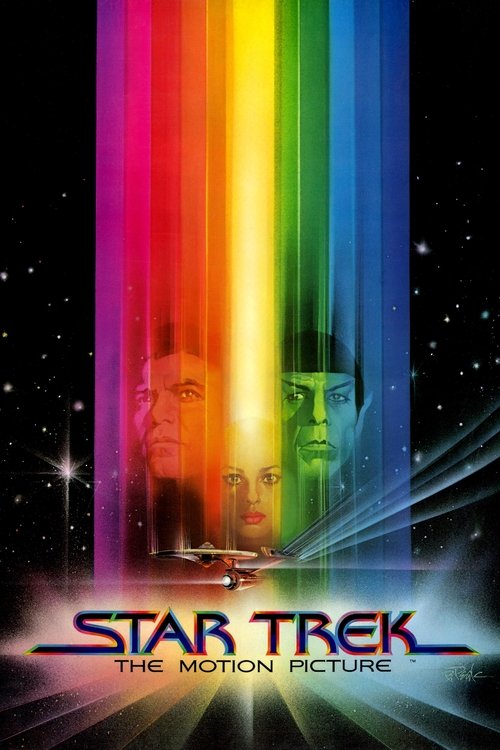
Star Trek: The Motion Picture upholds traditional institutional order and heroic archetypes without challenging systemic power structures or social hierarchies. Its strength lies in maintaining a multi-ethnic crew that was progressive for its time, providing a baseline of representation within a scientific context. However, the film lacks representation of LGBTQ+ identities and disabilities. It also does not explore multi-layered identities among the crew members.
Category Breakdown
The film does not include explicit LGBTQ+ characters or explore non-cisgender identities. Interpersonal relationships are focused on heterosexual norms throughout.
Male characters hold most positions of command, while female characters are mainly in supporting roles. Female characters like Uhura and Nurse Chapel interact meaningfully with each other, but they do not challenge traditional gender hierarchies.
The crew includes people from various ethnic backgrounds, reflecting the franchise's history of inclusive casting. However, the film treats this diversity as a standard part of Starfleet without delving into multi-layered identities.
The narrative emphasizes Western values such as scientific inquiry and organized exploration. It portrays Starfleet positively without questioning its institutional framework.
The film does not feature any characters with visible or invisible disabilities. Characters are shown as having peak physical and cognitive abilities.
Present on Screen
Limited or Absent
Official Synopsis
When an unidentified alien destroys three powerful Klingon cruisers, Captain James T. Kirk returns to the newly transformed U.S.S. Enterprise to take command.
2000

1970
1968
1978
1986

1956
2012
1979
No reviews yet. Be the first to share your thoughts on this movie!
Use the rating form above to leave a star rating and optional review.