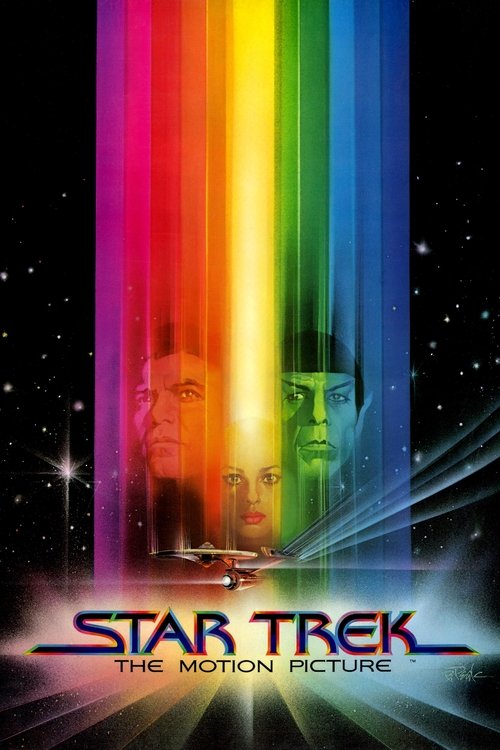
Star Trek: The Motion Picture
1979
No user ratings available yet
Representation score: 2.4 out of 10
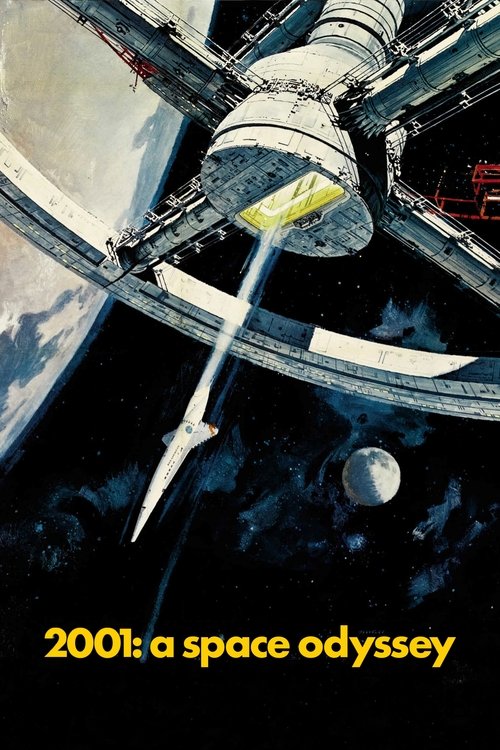
Representation Score
Limited
1968
GDirector
Stanley Kubrick
Runtime
149 minutes
Average Rating
No ratings yetNew Showbiz Analysis
Stanley Kubrick's masterpiece focuses on existential and evolutionary themes rather than demographic representation. The film serves as a philosophical exploration of human progress, rather than a study of social identity. While the film intellectually challenges traditional religious and state hierarchies, it adheres to the casting norms of the 1960s, featuring a predominantly male cast. Ultimately, the film's strength lies in its postmodern challenge to human-centric importance, offering a secular, cosmic perspective on the species.
Category Breakdown
The film does not include any LGBTQ+ characters or non-assuming gender matches what was assigned at birth identities.
The story is primarily driven by male characters such as Dave Bowman and Frank Poole. Female characters have limited roles and play minor parts in the overall narrative.
The crew of the Discovery One consists of white, Anglo-Saxon males, presenting a uniform view of humanity's technological future.
The film challenges traditional religious institutions by focusing on cosmic evolution. The Monolith serves as a secular, extraterrestrial force for change.
There is no direct depiction of physical or neurodivergent disabilities. However, HAL 9000’s malfunction can be seen as a metaphor for systemic failure and loss of control.
Present on Screen
Limited or Absent
Official Synopsis
Humanity finds a mysterious object buried beneath the lunar surface and sets off to find its origins with the help of HAL 9000, the world's most advanced super computer.
1979
1970

2000
1978
2012
1979

2013

1966
No reviews yet. Be the first to share your thoughts on this movie!
Use the rating form above to leave a star rating and optional review.