The Last Bolshevik
1994
No user ratings available yet
Representation score: 4.1 out of 10
Representation Score
Fair
2010
Director
Robin Hessman
Runtime
88 minutes
Average Rating
No ratings yetNew Showbiz Analysis
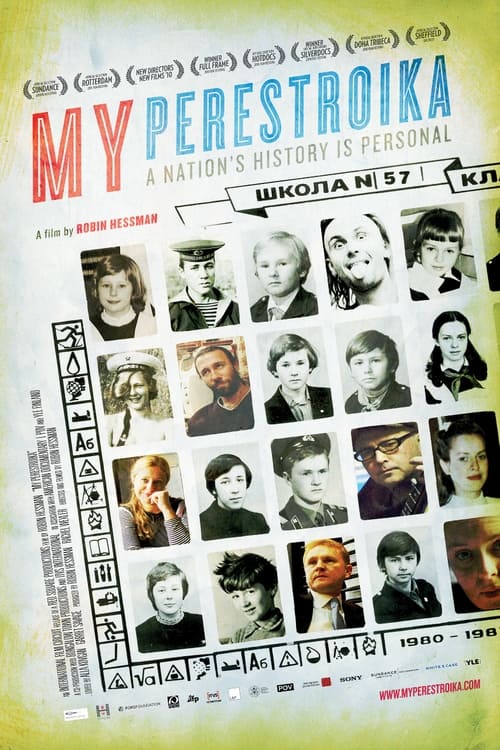
My Perestroika is a profound sociological study that uses the intimate lives of five women to examine the collapse of the Soviet Union. By focusing on granular, lived realities rather than broad political movements, the film provides a nuanced look at how systemic changes impact individuals. The documentary's primary strength lies in its multi-layered focus on gender and class. It successfully critiques the idea of capitalist progress by illustrating the personal costs and survivalist behaviors required to navigate a collapsing state-sponsored social contract. While the film is rich in cultural and gender dynamics, it lacks representation of LGBTQ+ identities and provides no clear depiction of disability. Its racial diversity is limited to the specific ethnic demographic of its Moscow setting.
Category Breakdown
The documentary focuses on socioeconomic and gender transitions. There is no evidence of LGBTQ+ identities or narratives centered on non-conforming gender roles among the subjects.
The film highlights the double burden faced by women during the Soviet collapse. It showcases the tension between emerging female empowerment and entrenched patriarchal structures.
The cast reflects the demographic reality of Moscow during the historical period covered. It maintains ethnographic authenticity by focusing on the complexities of a specific national identity.
The narrative offers a sophisticated critique of Western-style capitalism and the dismantling of social safety nets. It portrays the transition as a disruptive force causing social dislocation.
There is insufficient evidence to provide a definitive score regarding the representation of physical or neurodivergent disabilities within the film.
Present on Screen
Limited or Absent
Official Synopsis
Tells the story of five people from the last generation of Soviet children who were brought up behind the Iron Curtain. Just coming of age when the USSR collapsed, they witnessed the world of their childhood crumble and change beyond recognition. Through the lives of these former schoolmates, this intimate film reveals how they have adjusted to their post-Soviet reality in today's Moscow.
1994
2012
2021

1994
2015
2020
2023
2018
No reviews yet. Be the first to share your thoughts on this movie!
Use the rating form above to leave a star rating and optional review.