
Bohous
1968
No user ratings available yet
Representation score: 3.3 out of 10

Representation Score
Minimal
1963
Director
Vladimír Svitáček, Ján Roháč
Runtime
0 minutes
Average Rating
No ratings yetNew Showbiz Analysis
Uspořená libra is a 1963 Czechoslovak comedy and TV movie based on a play or musical. The production is rooted in the mid-century Eastern Bloc cinematic style, which typically prioritized collective social themes over individual identity politics. Because the available records provide only foundational metadata like cast and genre, there is no way to verify the presence of multi-layered representation or storytelling that reflects more than one aspect of diversity. The film appears to be a traditional theatrical adaptation of its era. Without specific plot details or character descriptions, the film lacks the documented markers of progressive representation required for a higher score.
Category Breakdown
The film does not include any representation of LGBTQ+ identities or narratives that challenge the assumption that everyone is straight or cisgender. There is no specific character data to support such representation.
The film features prominent female performers like Stella Zázvorková and Jana Werichová. However, it is unclear if the story provides them with significant roles in driving the plot or challenges traditional gender hierarchies.
The production likely reflects the demographic homogeneity of 1963 Czechoslovakia. There is no evidence of diverse racial or ethnic casting within the available records.
While the film originates from a socialist state, there is no evidence regarding its specific use of secularism or critiques of Western institutions as themes.
There is no information available regarding the inclusion of neurodivergent characters or individuals with physical disabilities in this production.
Present on Screen
Limited or Absent
1968
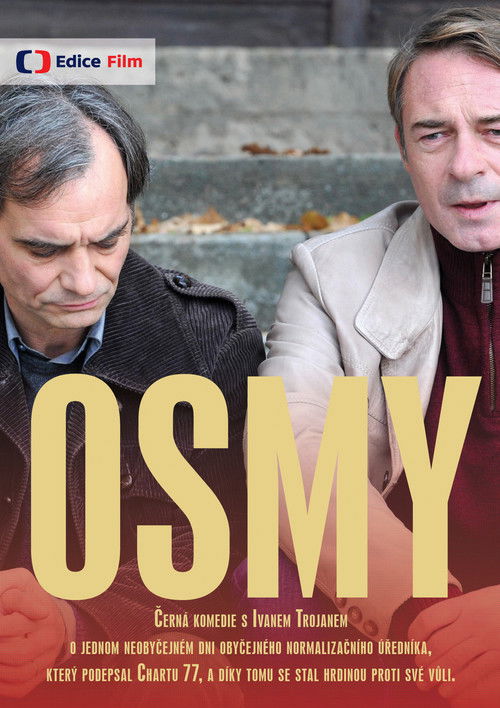
2014

1980

1987

2016

1990

1986

1983
No reviews yet. Be the first to share your thoughts on this movie!
Use the rating form above to leave a star rating and optional review.