Bohous
1968
No user ratings available yet
Diversity score: 3.6 out of 10
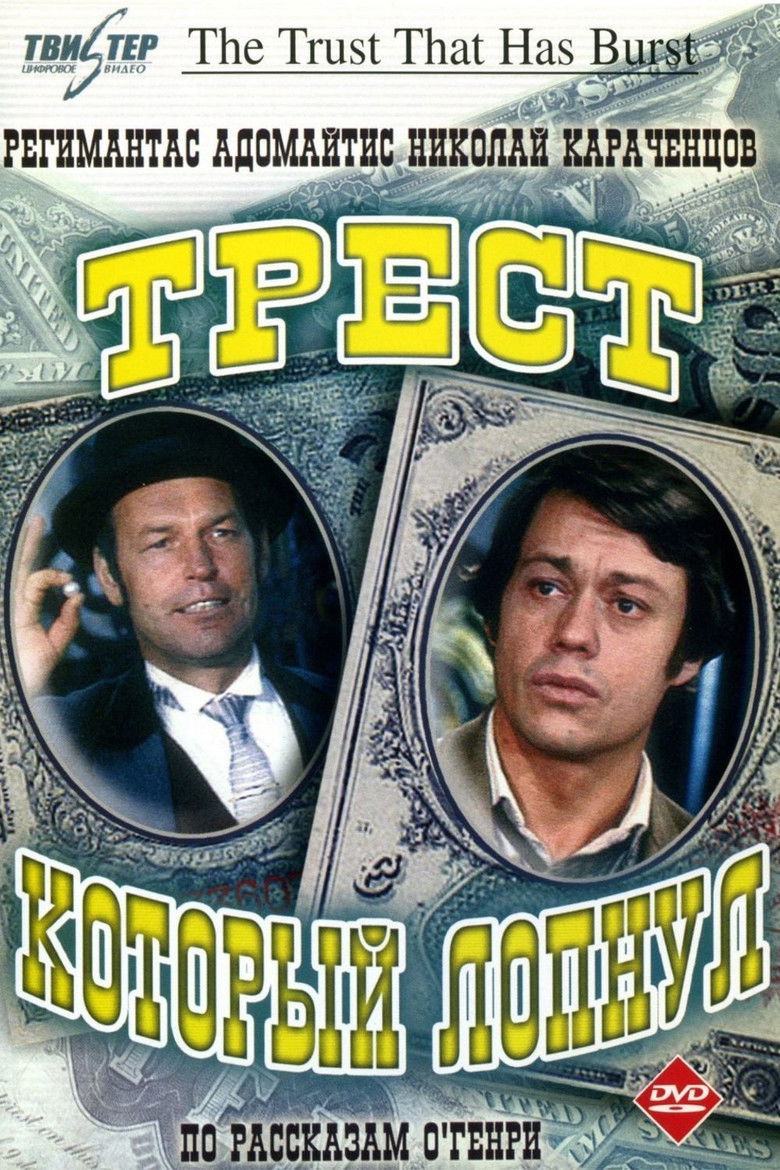
1983
Director
Aleksandr Pavlovskiy
Runtime
195 minutes
Average Rating
No ratings yetSynopsis
A witty comedy, that has fun and philosophy in one. Inspired by short stories of O`Henry.
Overall Score
Fair
Category Breakdown
LGBTQ+ Representation
The film maintains a neutral baseline regarding queer identity. There is no documented evidence of non-heteronormative intimacy or specific character arcs addressing LGBTQ+ themes.
Gender Representation
The narrative focuses on character-driven irony inspired by O. Henry. However, there is no clear evidence of female agency or the subversion of traditional gender hierarchies.
Racial & Ethnic Diversity
As a 1983 Soviet production, the film likely reflects the localized demographics of its era. It lacks evidence of intentional racial blending or diverse casting.
Religious & Cultural Diversity
The adaptation of O. Henry suggests a focus on situational ethics and individual morality. The comedic framework uses satire to explore subjective human experiences.
Disability Representation
There is no verifiable information regarding the inclusion of characters with physical or neurodivergent disabilities in this production.
Strengths
Areas for Improvement
AI Analysis
The film functions as a philosophical comedy that prioritizes narrative wit and irony over explicit demographic representation. By adapting O. Henry, the work leans toward exploring humanistic complexity and situational ethics rather than identity politics. While the film avoids rigid moral didacticism, it lacks the specific intersectional markers or diverse casting data needed for a higher diversity rating. It remains a product of its specific 1983 Soviet cinematic context. Ultimately, the work is an intellectual exercise in satire. It offers a departure from dogmatic morality through its storytelling style, even if it does not actively showcase diverse social identities.
1968
2002
1990

2012
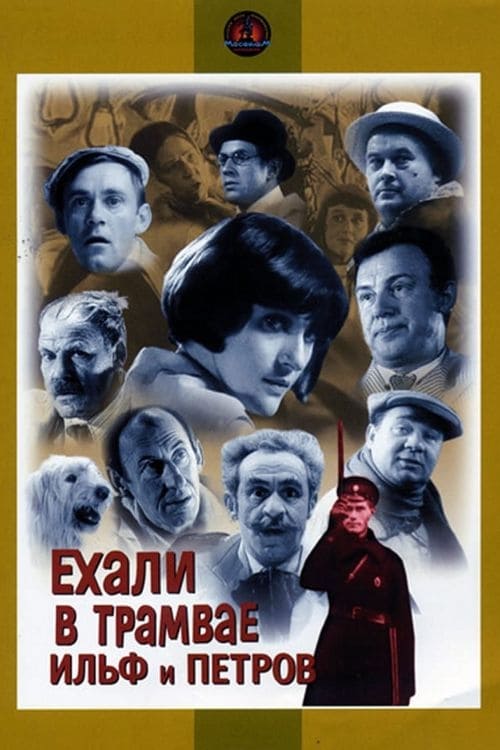
1972

2020

2016

2008

1980

2011

2004
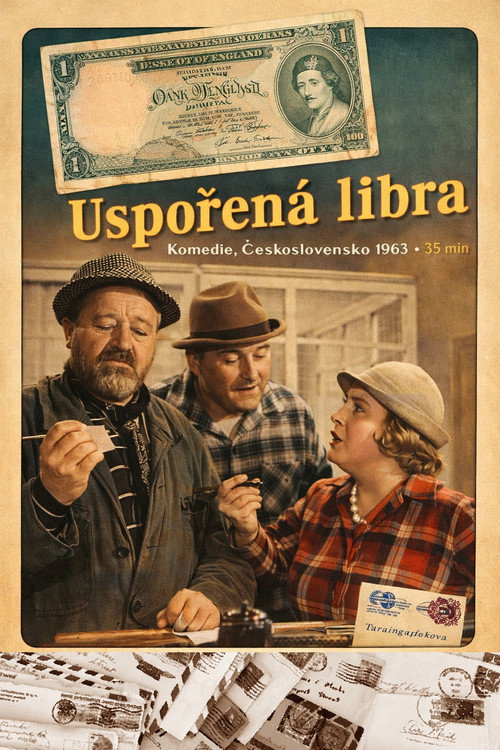
1963
No reviews yet. Be the first to share your thoughts on this movie!
Use the rating form above to leave a star rating and optional review.