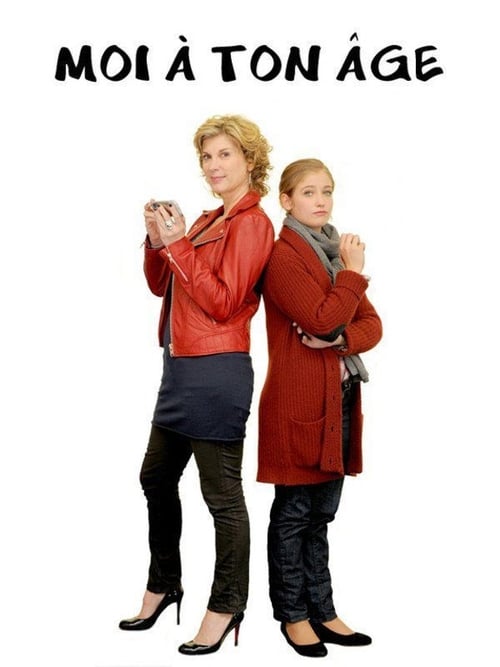
Moi à ton âge
2011
No user ratings available yet
Representation score: 3.7 out of 10
Representation Score
Minimal
1987
Director
Georges Folgoas
Runtime
130 minutes
Average Rating
No ratings yetNew Showbiz Analysis
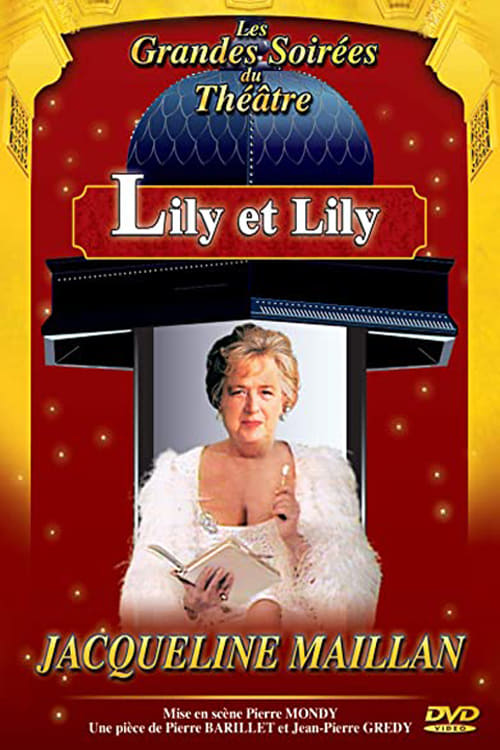
Lily et Lily is a 1987 French comedy that appears to function as a standard genre piece of its era. The production lacks any discernible pattern of intentional narrative subversion or the deconstruction of social hierarchies. While the film features female leads, it does not provide evidence of nuanced representation that moves beyond traditional comedic structures. The casting and thematic elements align with the conventional European television landscape of the late 1980s. Ultimately, the film does not demonstrate a commitment to characters who reflect more than one aspect of diversity or the disruption of traditional social narratives.
Category Breakdown
The film does not show any evidence of LGBTQ+ identities or same-sex relationships. There are no visible critiques of the assumption that everyone is straight or cisgender.
Jacqueline Maillan provides female visibility as a lead. However, the film lacks evidence of roles that give women significant control over the story or challenge traditional gender stereotypes.
The cast reflects a standard European ensemble typical of 1980s French television. There is no evidence of casting that includes diverse racial backgrounds or disrupts Eurocentric norms.
The work operates within the conventional cultural frameworks of its era. It lacks indicators of systemic critique or secularist themes.
No characters with visible or invisible disabilities are identified in the cast or available documentation.
Present on Screen
Limited or Absent
2011
1979
1983
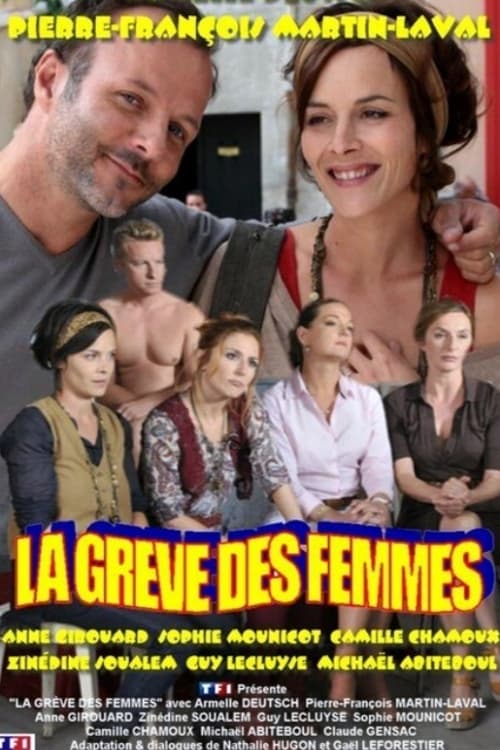
2011

2012
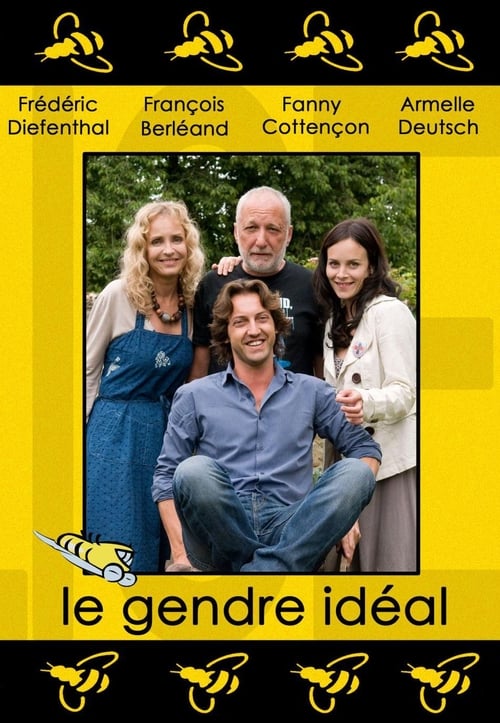
2008

2020
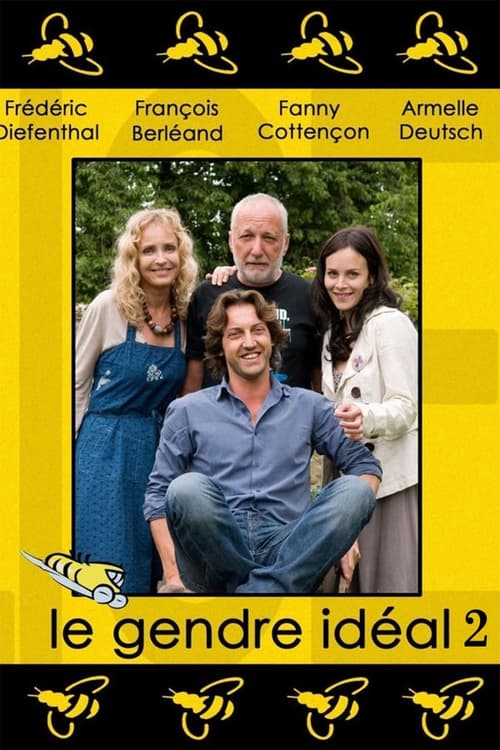
2010
No reviews yet. Be the first to share your thoughts on this movie!
Use the rating form above to leave a star rating and optional review.