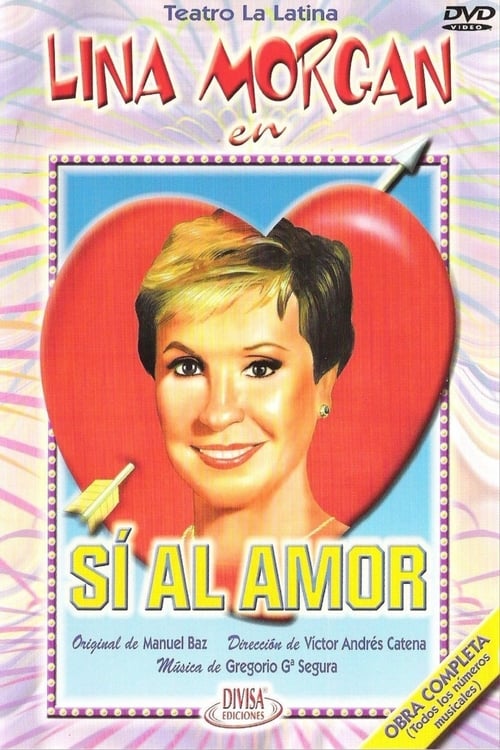
Sí al amor
1986
No user ratings available yet
Representation score: 1.4 out of 10
Representation Score
Limited
1990
Director
Víctor Andrés Catena
Average Rating
No ratings yetNew Showbiz Analysis
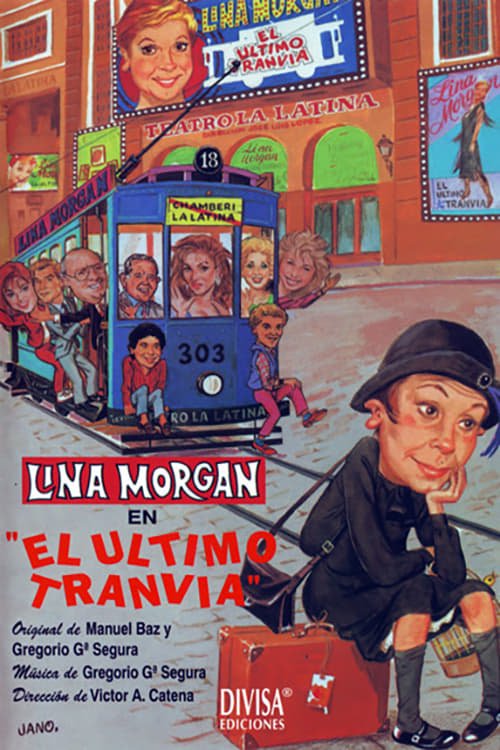
El último tranvía is a period-specific comedy reflecting the social mores of post-Franco Spain. While it avoids systemic invisibility by centering a prominent female lead, it remains rooted in the traditional frameworks of 1990s television. The production lacks intentional complexity regarding multiple aspects of identity. The casting and context suggest a focus on domestic, homogeneous social dynamics rather than a diverse or multicultural landscape. Ultimately, the film serves as a snapshot of its time, offering moderate gender visibility through its lead actress but failing to engage with broader themes of racial, cultural, or LGBTQ+ diversity.
Category Breakdown
The film reflects limited queer visibility typical of 1990 Spanish television. Characters likely play peripheral or clichéd roles rather than central, active ones.
Lina Morgan’s top billing provides a significant foundation for female-driven comedic roles. Her presence suggests a narrative that prioritizes female perspectives within the comedy genre.
The production appears focused on domestic Spanish social dynamics. The cast suggests a homogeneous environment lacking multiculturalism or diverse ethnic blending.
The work operates within traditional Western social frameworks. It lacks evidence of systemic critiques or the disruption of conventional social structures common to the era.
There is no evidence of characters with visible or invisible disabilities. No specific representation in this category can be confirmed.
Present on Screen
Limited or Absent
1986
1983

2014
2003

2008
2012

1987
2010
No reviews yet. Be the first to share your thoughts on this movie!
Use the rating form above to leave a star rating and optional review.