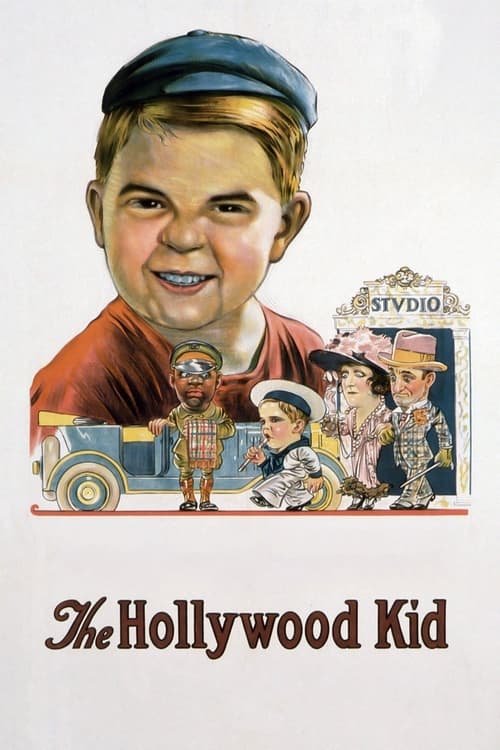
The Hollywood Kid
1924
No user ratings available yet
Representation score: 0.4 out of 10
No Poster Available
Representation Score
Minimal
1935
ApprovedDirector
Ben Holmes
Runtime
18 minutes
Average Rating
No ratings yetNew Showbiz Analysis
Foolish Hearts exemplifies the 1930s studio system's promotional shorts, serving mainly as a showcase for contract players and starlets. It prioritizes standardized musical comedy over narrative depth or social commentary. Embedded in the traditional frameworks of its time, the film reinforces established social hierarchies and conventional archetypes. It offers limited representation for underrepresented groups or non-traditional identities. Overall, Foolish Hearts acts as a historical artifact of mainstream Hollywood, upholding the status quo through its casting and thematic focus, reflecting the demographic and cultural homogeneity of the early sound era.
Category Breakdown
The film does not include any LGBTQ+ characters or stories that challenge traditional heterosexual relationships. It features conventional romantic storylines typical of the era.
While featuring talented actresses such as Phyllis Brooks, the film emphasizes feminine beauty and charm. Women are shown primarily as objects of romantic or comedic interest.
The production reflects the predominantly white demographics of 1930s Hollywood. The casting follows Anglo-Saxon standards without much ethnic diversity.
The film adheres to traditional Western values and social norms. It serves as light-hearted musical entertainment rather than a critique of societal structures.
The film does not depict any characters with physical or cognitive disabilities. There is no representation of individuals with diverse physical needs.
Present on Screen
Limited or Absent
Official Synopsis
A little entry from the RKO shorts department serving also as an audition-type (stick 'em in one of these and see if they appeal to a real audience, and make a buck or two at the same time)film for studio contractees and budding starlets. And, surrounded and supported by veteran character actors, such as Jack Norton, Jack Rice and Harrison Green, the likes of Tony Martin, Phyllis Brooks and Lucille Ball usually looked pretty good. And soon made for themselves, with studio help, rather nice Hollywood careers.
1924
1934
1935
1937
1935
1934
1928
1931
No reviews yet. Be the first to share your thoughts on this movie!
Use the rating form above to leave a star rating and optional review.