Vertical Features Remake
1978
No user ratings available yet
Representation score: 4.9 out of 10
Representation Score
Limited
1974
Not RatedDirector
Peter Greenaway
Runtime
4 minutes
Average Rating
No ratings yetNew Showbiz Analysis
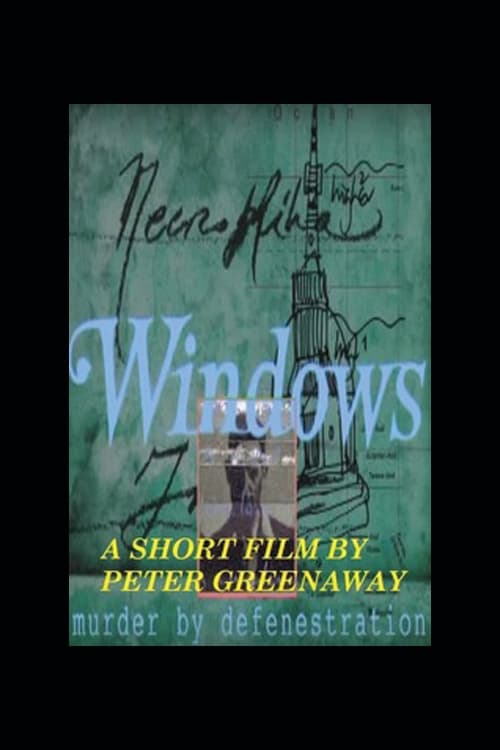
Peter Greenaway’s *Windows* is a formalist experiment that prioritizes postmodern narrative structure over social progress. While the film’s grid-based structure challenges conventional cinematic norms, its themes remain anchored in traditional, conservative subject matter. The work explores the human face in isolation, without a clear intention to represent diverse social values. The narrative relies on outdated gender clichés and a homogeneous demographic. Ultimately, the film’s strength lies in its innovative cinematic form rather than its portrayal of diverse social perspectives.
Category Breakdown
The film does not include explicit representations of LGBTQ+ identities or relationships that go beyond the assumption that everyone is straight. The avant-garde style may invite queer interpretations, but the focus remains on a traditional, heterosexual storyline.
The narrative emphasizes a destructive gender dynamic where romantic rejection leads to male-driven violence. Female characters are portrayed primarily as catalysts for male retribution, reducing their roles in the story.
The film features grid-based portraits that reflect a localized, homogeneous demographic typical of mid-century European portraiture. There is no significant evidence of diverse casting or the inclusion of non-white subjects.
The film adopts a nihilistic tone that disrupts traditional morality through aesthetic detachment. However, it does not actively critique Western institutions or promote specific political or religious rebellions.
The focus on static, portrait-based imagery provides no information about physical or neurodivergent disabilities. Subjects are presented as aesthetic objects, which prevents an analysis of their roles in the context of disability.
Present on Screen
Limited or Absent
Official Synopsis
A sort of documentary on the people known to have fallen out of windows in a certain time frame in a certain geographical location. One of Greenaway's early short films.
1978
2008
1982

1997
1978
1978
1959
2003
No reviews yet. Be the first to share your thoughts on this movie!
Use the rating form above to leave a star rating and optional review.