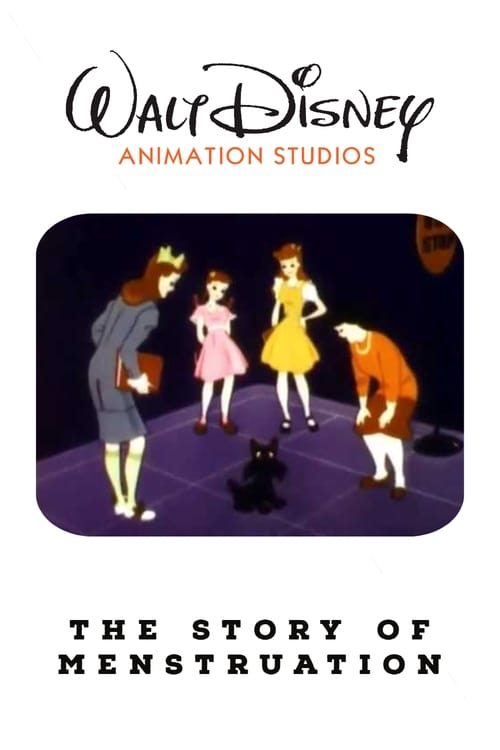
The Story of Menstruation
1946
No user ratings available yet
Representation score: 0.9 out of 10

Representation Score
Fair
1974
Director
Linda Feferman
Runtime
18 minutes
Average Rating
No ratings yetNew Showbiz Analysis
Linda Feferman’s 1974 animated documentary is a progressive educational tool that challenges mid-century silences surrounding female biology. By framing menstruation through a scientific lens, the film provides empowerment to its audience and dismantles long-standing social taboos. However, the film's impact is limited by a lack of visible diversity. While it excels at reducing the stigma surrounding menstruation, the absence of clear information regarding racial or LGBTQ+ representation suggests a narrow demographic focus typical of the era. Ultimately, the work is a significant step in normalizing bodily functions through public discourse, even if it lacks broader social diversity.
Category Breakdown
The film focuses on biological menstruation, which aligns with an assumption that everyone is cisgender. There is no confirmed depiction of LGBTQ+ identities within the narrative.
This work disrupts traditional hierarchies by centering the female biological experience. It uses animation to transform a potential source of shame into a tool for empowerment and self-knowledge.
Specific details regarding the racial composition of the animated characters remain unconfirmed. Historical context suggests educational media of this era often defaulted to homogeneous casting.
The film promotes a secular, scientific worldview by treating menstruation as a natural process. It avoids traditionalist or religious interpretations of the female body.
There is no evidence regarding the portrayal of physical or neurodivergent disabilities in this work.
Present on Screen
Limited or Absent
Official Synopsis
This is an educational short released by the Los Angeles Public Library explaining what to expect when you get your first period.
1946

1968
2017

1991
2008
1985
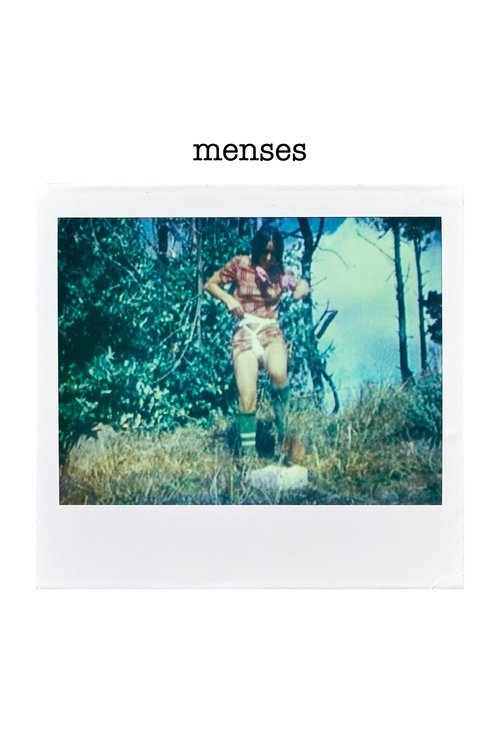
1973
2021
No reviews yet. Be the first to share your thoughts on this movie!
Use the rating form above to leave a star rating and optional review.