Tracey Ullman: Live and Exposed
2005
No user ratings available yet
Representation score: 8.1 out of 10
Representation Score
Fair
1995
TV-14Director
Bob Spiers
Runtime
28 minutes
Average Rating
No ratings yetNew Showbiz Analysis
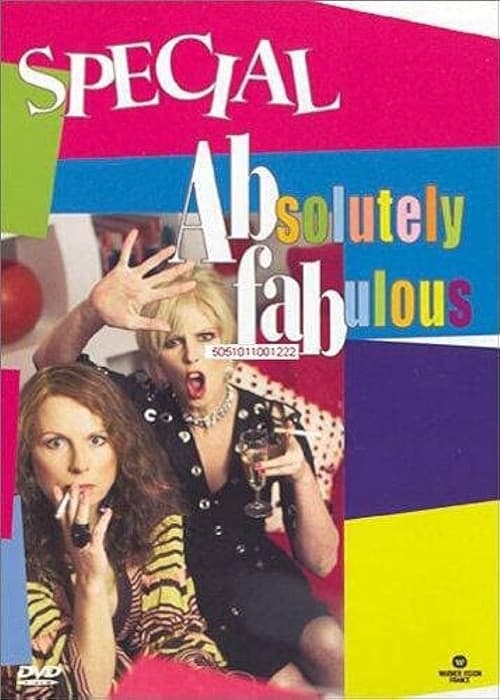
How to Be Absolutely Fabulous succeeds in challenging traditional gendered expectations, presenting women as the primary architects of their chaotic and high-energy social environments. This focus on women's ability to drive the story provides a progressive counter-narrative to traditional feminine stereotypes. However, the production is limited by significant demographic homogeneity. The cast and creative environment lack racial and ethnic diversity, reflecting a localized, Anglo-Saxon focus typical of its era. This lack of multi-layered engagement prevents a higher overall rating. Furthermore, the film remains within the bounds of conventional social structures regarding LGBTQ+ and disability representation. While it celebrates a specific lifestyle of hedonistic liberation, it does not engage with diverse identities or systemic social critiques.
Category Breakdown
The documentary focuses on comedic performance rather than depicting non-assuming gender matches what was assigned at birth identities or same-sex relationships. It stays within conventional social structures without showing explicit depictions of LGBTQ+ themes.
The film highlights women's ability to drive the story and challenges traditional expectations of passive female roles. It centers on irreverent women, subverting age-related social hierarchies and traditional expectations of decorous femininity.
The production reflects the demographic homogeneity of mid-90s British comedy. The cast is predominantly white and Anglo-Saxon, with no significant evidence of intentional racial blending.
The narrative operates within secular, middle-class British social dynamics. It prioritizes hedonism and individual pleasure over religious morality or traditional institutional values.
There is no substantive focus on visible or invisible disabilities. Characters are portrayed through the lens of high-functioning, able-bodied comedic archetypes.
Present on Screen
Limited or Absent
Official Synopsis
Jennifer Saunders hosts a party of AbFab outtakes and behind-the-scenes footage.
2005

2013
2014
2005
2011
1999
2003

2020
No reviews yet. Be the first to share your thoughts on this movie!
Use the rating form above to leave a star rating and optional review.