Under the Roofs of Paris
1930
No user ratings available yet
Diversity score: 3.1 out of 10
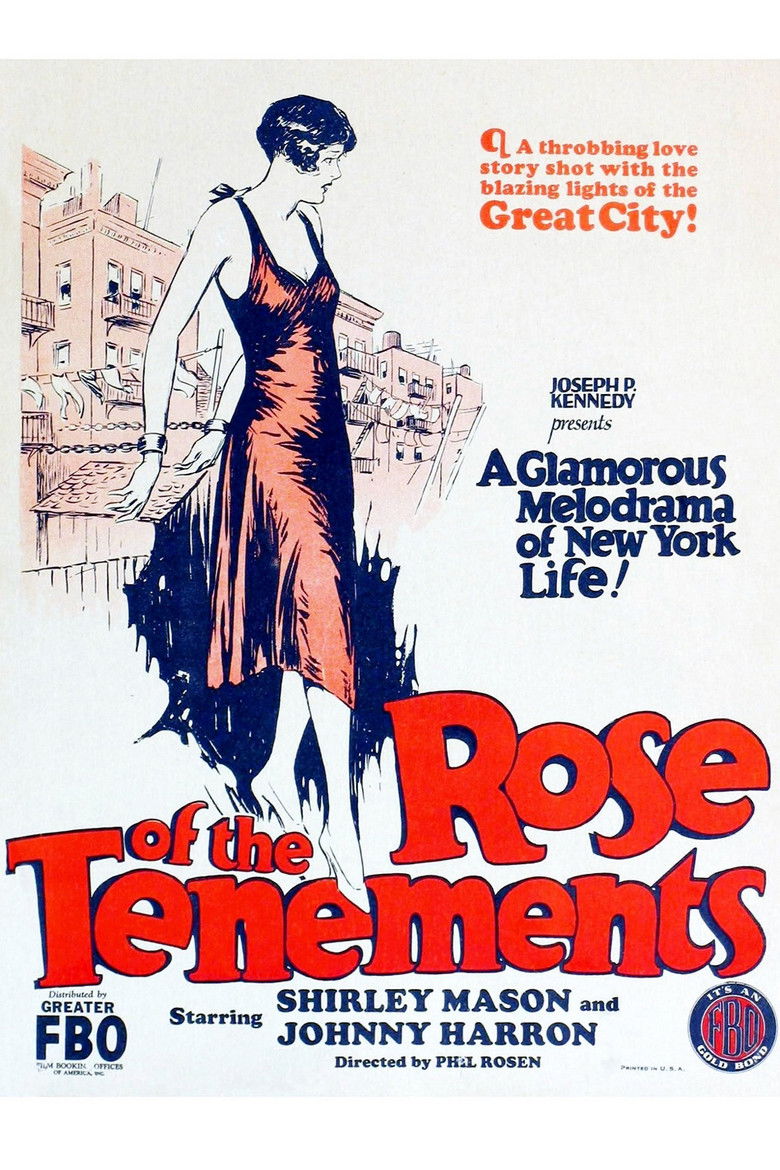
1926
PassedDirector
Phil Rosen
Runtime
70 minutes
Average Rating
No ratings yetSynopsis
Rose Rosetti, the orphaned daughter of a New York gangster, and Danny Lewis, another orphan, have been brought up by Sara and Abraham Kamisnsky, an elderly Jewish couple with an artificial-flower shop on the lower East Side. Rose works in the shop and Danny, after defeating the ward-bully in a fight, joins the political gang.
Overall Score
Fair
Category Breakdown
LGBTQ+ Representation
The film lacks depictions of non-heteronormative identities or same-sex intimacy. The story follows conventional 1920s romantic and familial structures.
Gender Representation
Rose Rosetti serves as a central protagonist navigating a male-dominated urban landscape. However, her agency is largely defined by her labor and her relationships with men.
Racial & Ethnic Diversity
The narrative provides significant representation of Jewish identity and the immigrant experience. Centering the story on the Lower East Side disrupts the era's typical Anglo-centric storytelling.
Religious & Cultural Diversity
The film explores systemic struggles and urban survival within tenement life. It highlights communal, non-traditional family structures as a means of navigating socio-economic hardship.
Disability Representation
There are no visible or invisible disabilities documented within the primary character arcs.
Strengths
Areas for Improvement
AI Analysis
Rose of the Tenements stands out for its ethnic centering, moving away from the Anglo-Saxon hegemony common in 1920s cinema. By placing a Jewish household at the heart of the drama, the film offers a nuanced look at immigrant community structures and the realities of urban survival. While the film excels in cultural specificity, it remains tethered to the period's traditional gender and romantic tropes. The female lead's autonomy is frequently framed through her domestic work and her connections to the male characters. Ultimately, the film is a study of socio-economic struggle. It uses the tenement setting to critique institutional limitations, favoring a narrative of communal resilience over rigid Western ideals.
1930
1928
1929
1923
1924
1925

1933
1925
1930

1932
1945

1944
No reviews yet. Be the first to share your thoughts on this movie!
Use the rating form above to leave a star rating and optional review.