
Welcome to Sodom
2018
No user ratings available yet
Representation score: 8.7 out of 10
Representation Score
Fair
2019
Director
Ben Asamoah
Runtime
81 minutes
Average Rating
No ratings yetNew Showbiz Analysis
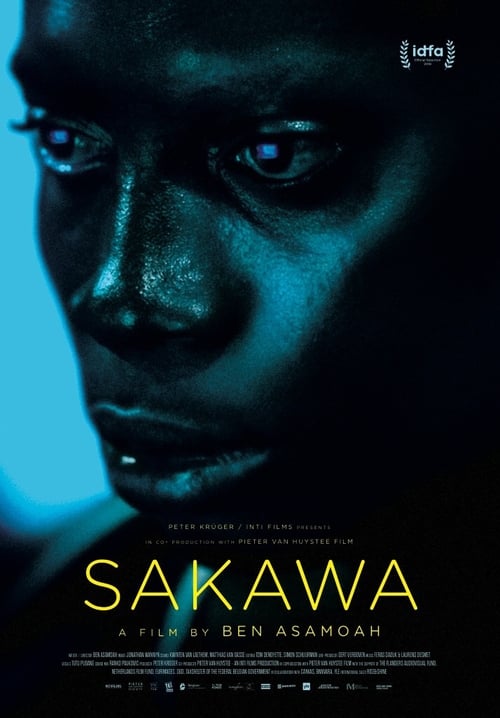
Sakawa presents a sophisticated critique of global socio-economic structures. It challenges the idea of the West as the sole center of progress by showing how individuals in Ghana repurpose digital and physical waste from developed countries. The film excels in centering Ghanaian ability to act and moving beyond simple victimhood clichés. It demonstrates how local actors navigate the morally ambiguous digital underworld. However, it lacks visible engagement with LGBTQ+ identities and does not address disability representation.
Category Breakdown
The film does not explicitly address LGBTQ+ characters or stories, focusing instead on the socio-economic factors behind digital crime.
By highlighting Ama, a young mother, the film challenges traditional gender roles. She transitions from a domestic role to an active, tech-savvy protagonist in a male-dominated environment.
The documentary centers a Ghanaian perspective, providing high racial ability to act. It examines how local actors deal with Western electronic waste, challenging the dominance of Western digital narratives.
The film critiques global capitalism and its environmental impact, particularly highlighting systemic inequalities between the Global North and the Global South through a localized lens.
There is no evidence regarding the portrayal of physical or neurodivergent disabilities in this work.
Present on Screen
Limited or Absent
Official Synopsis
There’s a treasure trove of information to be found in the poisonous e-waste in Ghana. It’s a relatively simple matter to open up hard drives and gain access to photos and the personal details of their former owners. Equipped with a name and address, almost anybody can be found online. A young mother looks in astonishment at an American street that she has conjured up on Google Maps in a matter of seconds—this is Ama, one of the internet con artists in this film.
2018
2013
2016
2013
2019

2022

2013
2019
No reviews yet. Be the first to share your thoughts on this movie!
Use the rating form above to leave a star rating and optional review.