Silk Road: Drugs, Death and the Dark Web
2017
No user ratings available yet
Representation score: 1.9 out of 10
Representation Score
Minimal
2013
Not RatedDirector
Simon Klose
Runtime
82 minutes
Average Rating
No ratings yetNew Showbiz Analysis
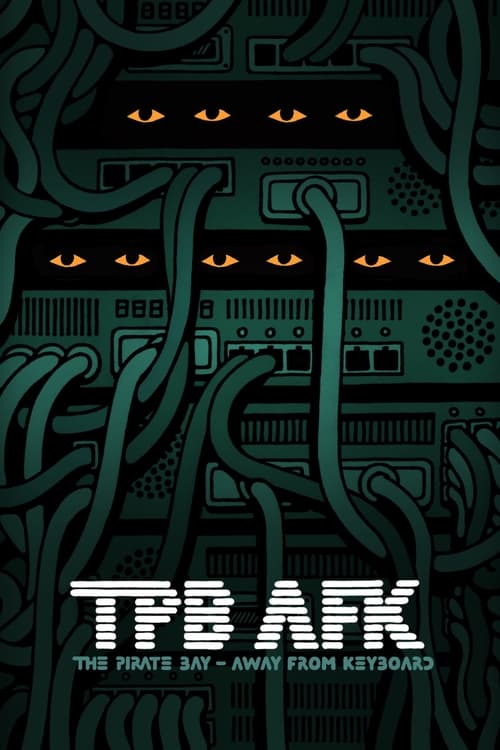
TPB AFK is a documentary that emphasizes ideological critique over demographic diversity. While it falls short in providing a wide range of identities, it successfully challenges established Western economic and legal frameworks. The film’s narrative structure highlights the tension between individual digital freedom and global intellectual property laws. It positions its protagonists as challengers to corporate dominance rather than just criminals. Ultimately, the work serves as a postmodern deconstruction of ownership. It replaces traditional characters who reflect more than one aspect of diversity with a strong critique of the status quo.
Category Breakdown
The documentary does not feature any LGBTQ+ characters or narratives. The storyline stays focused on the legal and technical issues surrounding the main subjects.
The film focuses primarily on male founders, with little involvement of women or exploration of gender dynamics.
The subjects are mainly from a similar background, reflecting the specific socioeconomic and geographic context of Sweden's digital underground. There is no indication of racial diversity.
The film effectively critiques Western institutions and capitalist intellectual property rights. It portrays major media corporations as oppressive entities from a pirate perspective.
There are no visible or invisible disabilities depicted in the film. The narrative does not involve disability as a character element.
Present on Screen
Limited or Absent
Official Synopsis
TPB AFK is a documentary about three computer addicts who redefined the world of media distribution with their hobby homepage The Pirate Bay. How did Tiamo, a beer crazy hardware fanatic, Brokep a tree hugging eco activist and Anakata – a paranoid hacker libertarian – get the White House to threaten the Swedish government with trade sanctions? TPB AFK explores what Hollywood’s most hated pirates go through on a personal level.
2017

2013
2016
2012
2017

2015

2022
2022
No reviews yet. Be the first to share your thoughts on this movie!
Use the rating form above to leave a star rating and optional review.