Fake Famous
2021
No user ratings available yet
Representation score: 5.3 out of 10
Representation Score
Good
2016
Director
Garrett Bradley
Runtime
10 minutes
Average Rating
No ratings yetNew Showbiz Analysis
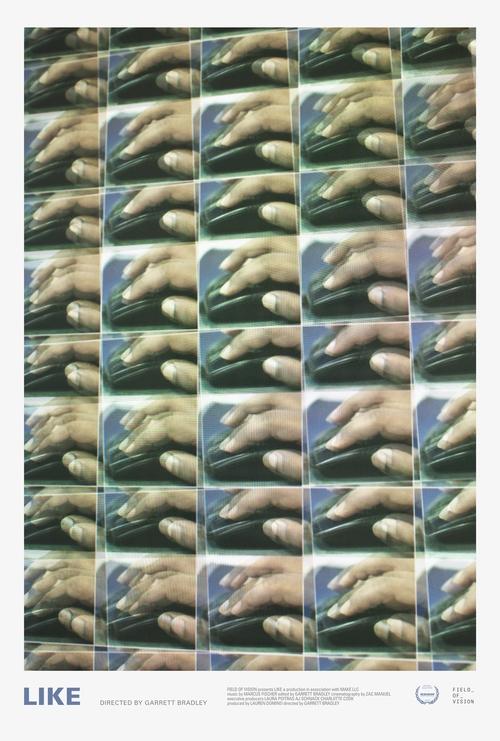
Garrett Bradley’s documentary offers a powerful shift away from Western-centric digital narratives. By showcasing the Bangladeshi click-farms, the film reveals the physical labor behind virtual popularity. It effectively redirects focus from user satisfaction to the systemic realities of the Global South. The film's strength lies in its critique of how digital influence is created through geographic and racial hierarchies. It connects globalized economic structures to the personal experiences of digital laborers. While the film excels in its geographic and racial focus, it lacks specific explorations of LGBTQ+ identities or disability. The emphasis remains on the intersection of capitalism and labor.
Category Breakdown
The film does not specifically explore LGBTQ+ identities or dynamics outside of traditional heterosexual relationships. It focuses on the socioeconomic aspects of click-farm operations rather than identity-specific issues.
The documentary offers a nuanced look at the gendered nature of repetitive digital tasks. It avoids submissive stereotypes by highlighting the economic ability to act and significance of the labor performed by its subjects.
The film stands out by focusing on the Bangladeshi labor environment, providing a non-Western perspective. It draws attention to the contrast between Western celebrity culture and the underrepresented labor force in the Global South.
The narrative dismantles the notion of social media popularity as a result of large-scale labor. It questions the disconnect between Western consumerism and the workers supporting it.
The film does not specifically address visible or invisible disabilities. Its narrative remains centered on socioeconomic and geographic identity.
Present on Screen
Limited or Absent
Official Synopsis
In our current world, where worth is often gauged by online popularity, an economy has developed for paying for followers and likes. Through access inside the “click-farms” of Bangladesh, Like explores the multi-million dollar industry that grows social media followings for celebrities and brands alike.
2021

2013
2021
2013

2018
2018
2019
2000
No reviews yet. Be the first to share your thoughts on this movie!
Use the rating form above to leave a star rating and optional review.