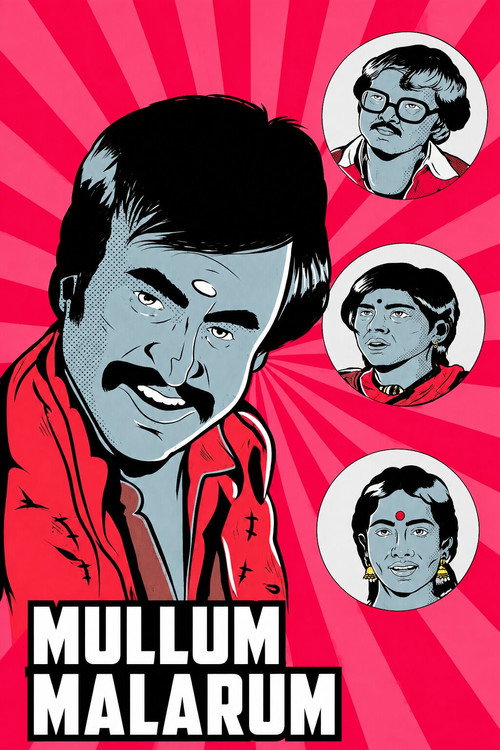
Mullum Malarum
1978
No user ratings available yet
Representation score: 4.2 out of 10

Representation Score
Minimal
1961
Director
A. Bhimsingh
Runtime
180 minutes
Average Rating
No ratings yetNew Showbiz Analysis
Pasamalar is a foundational family melodrama that prioritizes emotional sincerity and the preservation of traditional social structures. Its narrative strength lies in its ability to reinforce established cultural values and the sanctity of the family unit. However, the film upholds rather than challenges conventional hierarchies. It relies on mid-20th-century gender archetypes and a strictly heterosexual worldview, which limits its progressive diversity profile. While the film achieves cultural authenticity within its specific Tamil context, it lacks representation of multiple aspects of identity or critiques of traditional social norms.
Category Breakdown
The film operates within a strictly heterosexual framework. It focuses on platonic sibling bonds and traditional romantic structures, offering no representation of non-binary or LGBTQ+ identities.
Characters adhere to mid-20th-century gender roles. Female protagonists embody the virtuous, long-suffering archetype, while male leads fulfill the role of the protective provider within the family unit.
The cast is homogeneous, reflecting the specific rural or semi-urban Tamil setting. This provides cultural authenticity to the period-specific social drama.
The narrative prioritizes social cohesion and respect for elders. It reinforces traditional moral frameworks and the sanctity of the family unit rather than exploring alternative values.
There are no prominent depictions of physical or neurodivergent disabilities. No such traits serve as central drivers for the characters or the plot.
Present on Screen
Limited or Absent
Official Synopsis
Two siblings, Rajasekharan and Radha, become orphans when they lose their mother at a young age. Things take a turn when Rajasekharan's friend Anand falls in love with Radha.
1978
1994
2001

2005

1996
1962
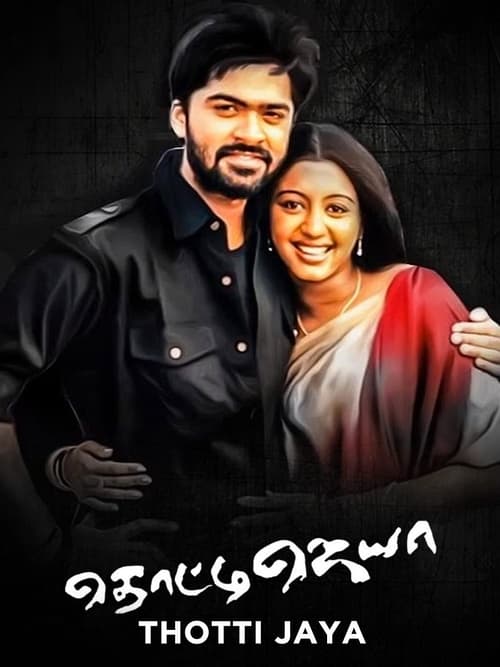
2005

1993
No reviews yet. Be the first to share your thoughts on this movie!
Use the rating form above to leave a star rating and optional review.