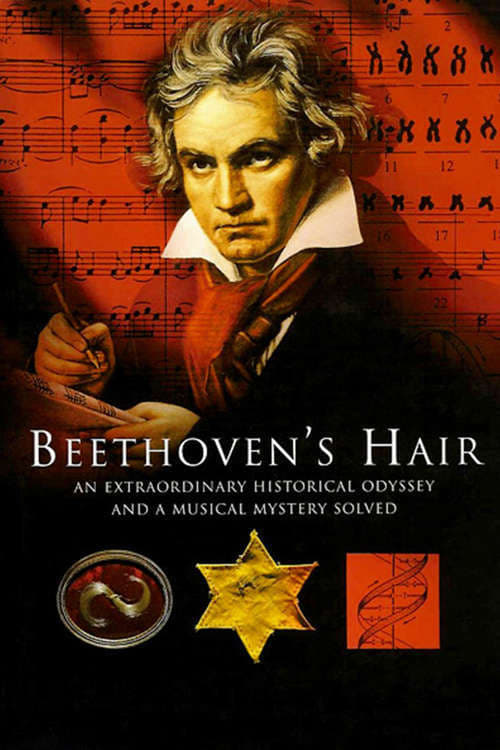
Beethoven's Hair
2005
No user ratings available yet
Diversity score: 4.6 out of 10

1954
PGDirector
Max Jaap
Runtime
94 minutes
Average Rating
No ratings yetSynopsis
Documentary on the master composer, from a GDR point of view.
Overall Score
Fair
Category Breakdown
LGBTQ+ Representation
The film lacks explicit evidence of LGBTQ+ characters or non-heteronormative identities. The narrative appears to adhere to the conventional social structures of the mid-20th century.
Gender Representation
The documentary centers on the singular male genius of Beethoven. There is little evidence of female agency or the subversion of traditional gender hierarchies.
Racial & Ethnic Diversity
The film operates within a homogeneous Eurocentric framework. It lacks non-white perspectives or race-bent casting, reflecting the historical and geographic constraints of the era.
Religious & Cultural Diversity
The GDR perspective provides a strong critique of Western capitalist structures. It frames Beethoven through social struggle and historical materialism rather than individualistic divine merit.
Disability Representation
Beethoven’s deafness serves as a primary narrative driver. While it highlights his struggle with physical limitations, it may rely on traditional tropes of triumphing over adversity.
Strengths
Areas for Improvement
AI Analysis
This documentary offers a unique ideological lens by approaching Beethoven through the framework of the German Democratic Republic. By prioritizing historical materialism over bourgeois individualism, the film provides a distinct cultural critique of Western art narratives. However, the film remains deeply traditional in its demographic focus. It centers on a singular male figure and operates within a strictly Eurocentric, mid-20th-century social context, offering little in the way of racial or gender diversity. Ultimately, the film's strength lies in its socio-political positioning rather than its demographic breadth. It trades traditional representation for a specific, state-sponsored ideological perspective.
2005

2017
1983

2009
1984

1998

2021

2015
2021

1948
2020

2018
No reviews yet. Be the first to share your thoughts on this movie!
Use the rating form above to leave a star rating and optional review.