
32 Pills: My Sister's Suicide
2017
No user ratings available yet
Representation score: 7.8 out of 10
Representation Score
Minimal
2001
Director
Takashi Ito
Runtime
13 minutes
Average Rating
No ratings yetNew Showbiz Analysis
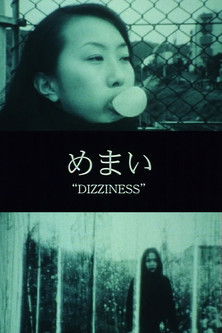
Takashi Ito’s *Dizziness* (2001) opens not with a narrative but with a confession: the director’s previous work featured a girl filming herself on a railway bridge, a scene that preceded her real-life suicide attempt. This documentary pivots from that traumatic origin to examine the "broken state of psyches" of two girls who witnessed the event. The film’s argument is strictly observational, relying on the professional interaction between the director and young people with mental illnesses to generate its images. It does not sell a liberal message or uphold a traditional hierarchy; it simply records the unstable state of mind experienced by its subjects and the filmmaker. The sold meaning is one of psychological fragility, where the camera loves the raw, unpolished reality of mental distress rather than constructing a neat moral. There is no punchline, no reward, and no shame; the last image is the lingering effect of trauma on the psyche. The film’s internal logic is consistent: it depicts what it sees without imposing a narrative arc or a cultural verdict. The ending is not a resolution but a continuation of the unstable state, affirming the reality of mental illness as a lived experience rather than a plot device.
Category Breakdown
Absent. The film documents the psyches of two girls after witnessing a suicide; no queer characters, intimacy, or identity markers appear in the available evidence.
Limited. Minori Takenaka and Megumi Kubo appear as themselves, documenting female mental distress. No gendered power dynamics, competence, or hierarchy are depicted beyond the subjects' presence.
Absent. The cast consists of Japanese women appearing as themselves; no racial diversity, hierarchy, or ethnic markers are depicted in the available evidence.
Limited. The film explores mental illness and psychological instability through direct observation. No traditional institutions, faith, or national narratives are invoked or critiqued in the available evidence.
Limited. The subjects are young people with mental illnesses, presented as ongoing states of psyche rather than temporary MacGuffins. No specific diagnosis is mocked or used as a moral lesson.
Present on Screen
Limited or Absent
Official Synopsis
In the final scene of my last work, A SILENT DAY, a girl was filming herself with an 8mm camera on a railway bridge. Although the film doesn’t depict the incident, she later jumped off the bridge in an attempt to kill herself. Two girls witnessed her attempted suicide, and in this film I am attempting to depict the broken state of their psyches. In this piece, various images have been generated as a result of my professional interaction with a number of young people with mental illnesses, and the unstable state of mind which I have often experienced in recent days - Takashi Ito
2017

1978
2008
2006
2017

2001
2014

2005
No reviews yet. Be the first to share your thoughts on this movie!
Use the rating form above to leave a star rating and optional review.