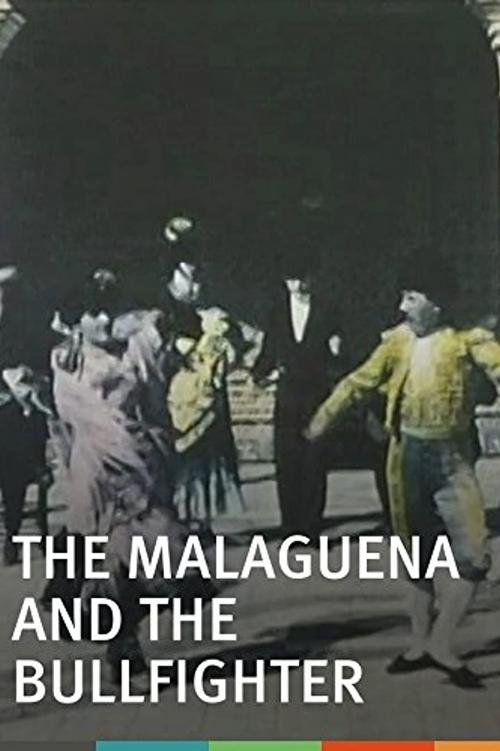
The Malagueña and the Bullfighter
1905
No user ratings available yet
Representation score: 5.2 out of 10
Representation Score
Fair
1905
Director
Alice Guy-Blaché
Runtime
11 minutes
Average Rating
No ratings yetNew Showbiz Analysis
Spain (1905) derives its primary diversity value from its creator rather than its subject matter. As a documentary compilation, the film lacks the character depth required for high multi-layered scores, yet it remains historically significant. Alice Guy-Blaché’s presence behind the camera disrupts the male-dominated gaze of early cinema. Her leadership in a period of rigid professional hierarchies provides a foundational layer of progressive creative intent. The ethnographic nature of the footage offers a window into diverse Spanish cultural landscapes. However, the limitations of the documentary format and the era prevent a more robust representation of specific identities.
Category Breakdown
The film functions as a documentary compilation of ethnographic and travel footage. There are no explicit LGBTQ+ characters or narratives that challenge straight-centered assumptions.
Alice Guy-Blaché’s role as the primary architect of these visual records subverts traditional gendered power structures. Her directorial influence is a significant driver in an era dominated by male filmmakers.
This travelogue captures diverse regional identities and ethnic textures across Spain. While it documents non-Anglo-Saxon landscapes, the power dynamic between the observer and the observed remains a factor.
The film leans toward a secular, observational mode of storytelling. It focuses on ethnographic documentation rather than the staged, moralistic narratives common in early scripted cinema.
There is no verifiable evidence regarding the portrayal of individuals with disabilities within this work.
Present on Screen
Limited or Absent
Official Synopsis
This is a compilation of some of the films that Alice Guy filmed in Spain from mid-October to the end of November, 1905 (catalogue numbers 1371 to 1384) that were individually released in early 1906.
1905
1905
1905
1907
1905
1900
1902
1897
No reviews yet. Be the first to share your thoughts on this movie!
Use the rating form above to leave a star rating and optional review.