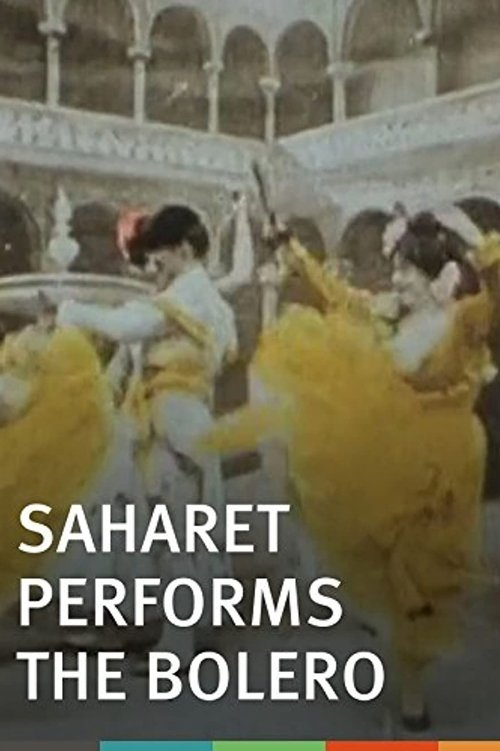
Saharet Performs the Bolero
1905
No user ratings available yet
Representation score: 2.7 out of 10
Representation Score
Fair
1905
Director
Alice Guy-Blaché
Runtime
1 minutes
Average Rating
No ratings yetNew Showbiz Analysis
Alice Guy-Blaché’s work serves as a vital historical artifact rather than a complex narrative study. The film's value lies in its documentation of cultural performance, particularly the cake walk, which offers a glimpse into African American vernacular culture during the early cinematic era. However, the brevity of the phonoscene limits the depth of representation. The film lacks the narrative structure to explore nuanced identities, gender subversion, or LGBTQ+ themes, functioning instead as a neutral recording of a spectacle. Ultimately, the score reflects a work characterized by historical presence rather than intentional systemic subversion. It captures a moment of cultural visibility without providing deep character's ability to drive the story.
Category Breakdown
The film captures a specific dance form but does not provide clear evidence of LGBTQ+ identities. It stays within the traditional performance boundaries of the early 20th century.
Because of the limited footage, it is hard to tell if gender hierarchies are challenged. The film mainly reflects the standard circus and vaudeville traditions of the time.
The film provides a rare historical record of Black cultural expression through the cake walk. This inclusion offers significant cross-cultural visibility within a mainstream 1905 European production.
As an observational piece of media, the film occupies a neutral space. It neither promotes nor critiques religious or Western institutional structures.
There is no evidence of performers with visible or invisible disabilities being used as central figures or plot devices.
Present on Screen
Limited or Absent
Official Synopsis
Unverified phonoscene (chronograph #7 in Gaumont catalogue?) showing a performance of the cake walk.
1905
1905
1897
1900
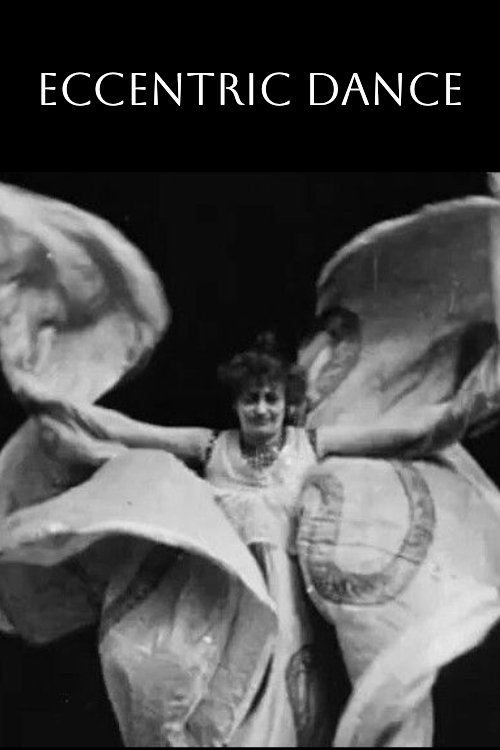
1902
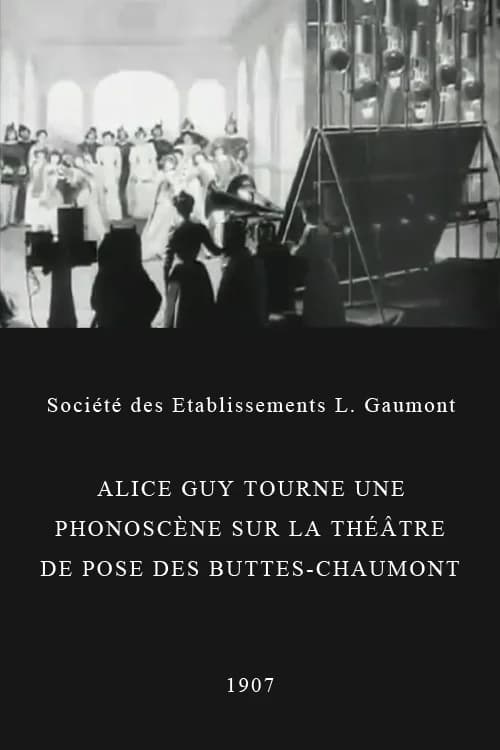
1907
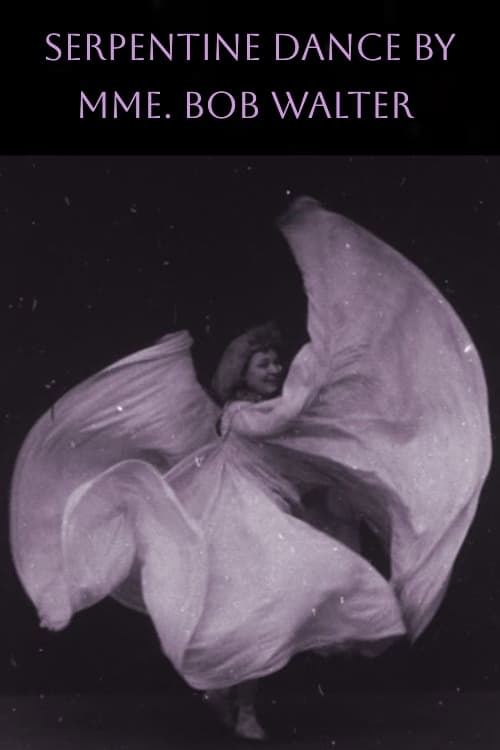
1897
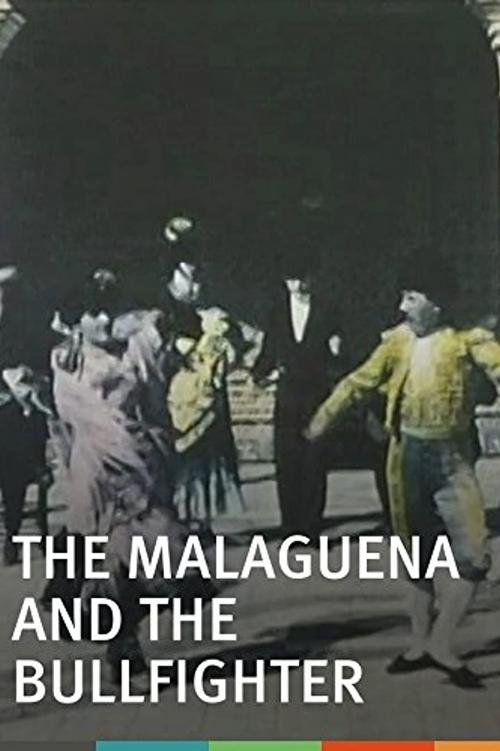
1905
No reviews yet. Be the first to share your thoughts on this movie!
Use the rating form above to leave a star rating and optional review.