Danse du papillon
1900
No user ratings available yet
Representation score: 1.3 out of 10
Representation Score
Fair
1897
Director
Alice Guy-Blaché
Runtime
1 minutes
Average Rating
No ratings yetNew Showbiz Analysis
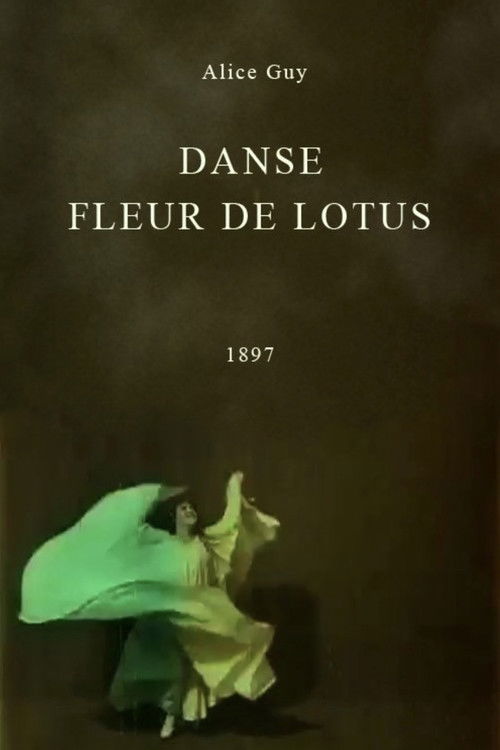
The film's main diversity value comes from its production history rather than its narrative content. Alice Guy-Blaché’s role as a female director in 1897 is a landmark example of female leadership in early cinema. Since the film is a brief documentary study of a serpentine dance, it lacks the character depth needed for a thorough multi-layered analysis. The subject matter hints at non-Western cultural elements, but the lack of visual detail makes it hard to confirm authenticity. Overall, the film serves as a historical record of female leadership in a developing industry, despite the limited and culturally ambiguous on-screen content.
Category Breakdown
The film does not include any clear signs related to sexual orientation or gender identity. Although the serpentine dance features fluid movements, there are no obvious LGBTQ+ themes.
Alice Guy-Blaché's role as director gives her significant influence. Her leadership in a male-dominated era challenges traditional gender roles and highlights early female technical expertise.
The title suggests an interest in Eastern aesthetics. However, without seeing the performers, it is unclear if this is an authentic expression or a Western interpretation.
The film focuses on a stylized, non-Western dance form, which deviates from typical Western performance styles. The documentary approach emphasizes observation over moral judgments.
There is no indication within the film that it includes or depicts characters with physical or neurodivergent disabilities.
Present on Screen
Limited or Absent
Official Synopsis
Serpentine dance.
1900
2011
1905
1905
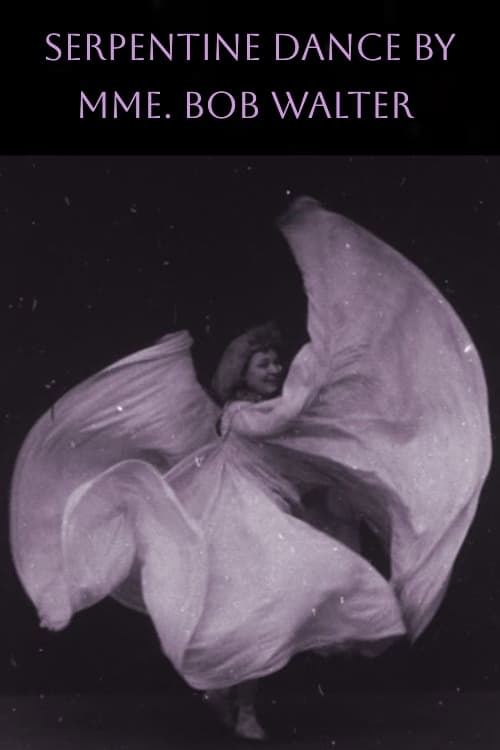
1897
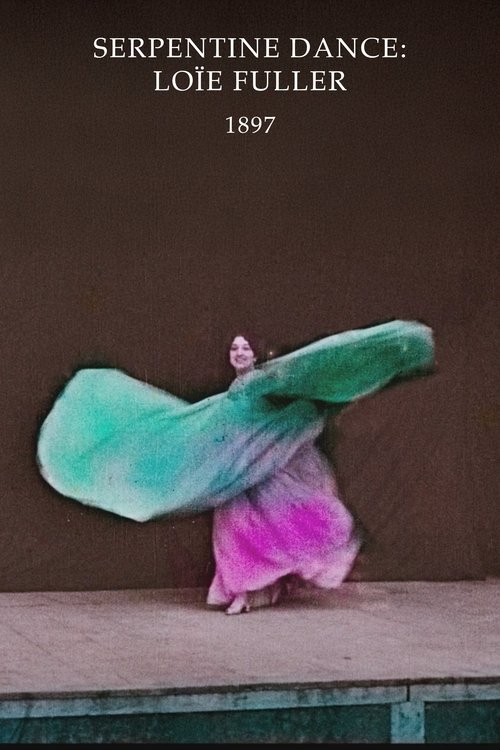
1897
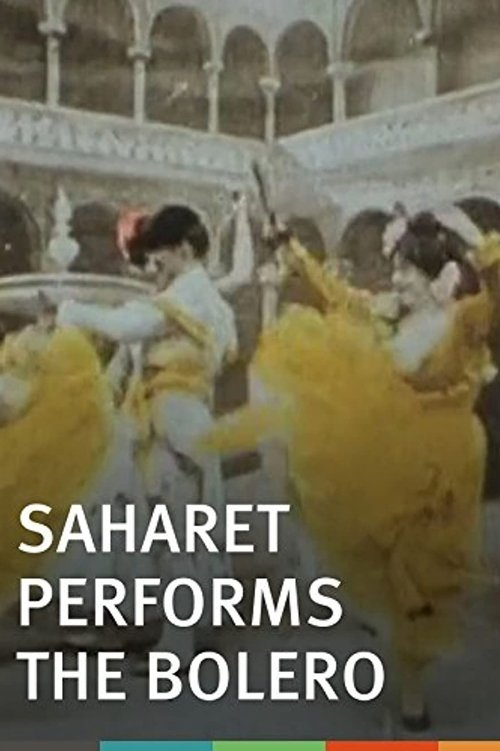
1905
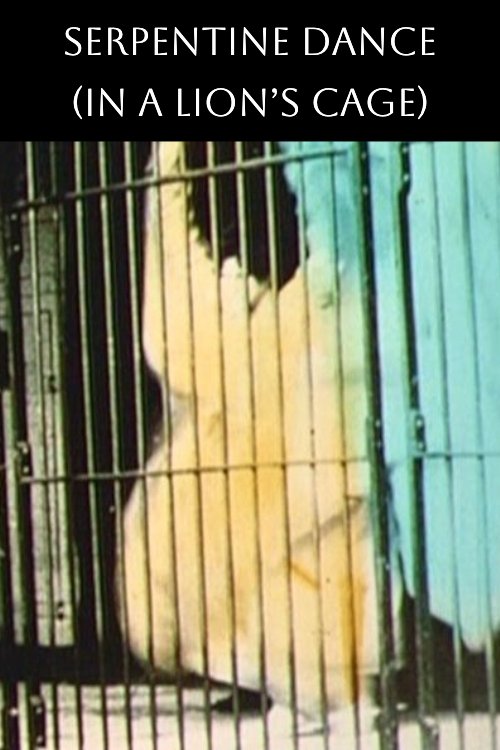
1900
No reviews yet. Be the first to share your thoughts on this movie!
Use the rating form above to leave a star rating and optional review.