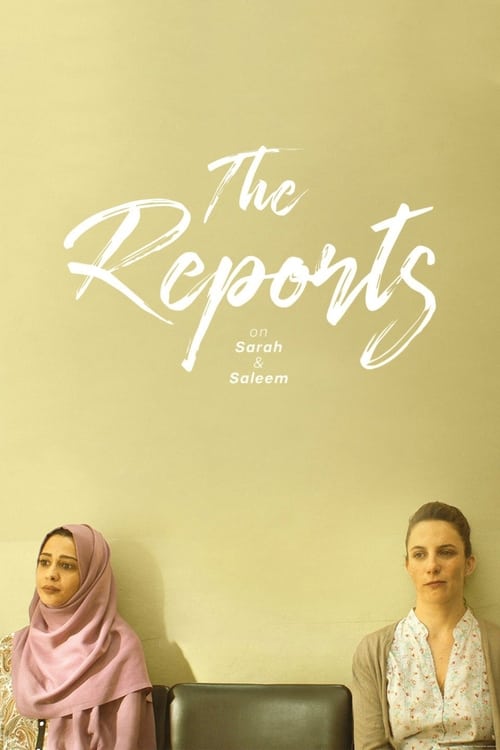
The Reports on Sarah and Saleem
2018
No user ratings available yet
Representation score: 6.1 out of 10
Representation Score
Good
2011
Not RatedDirector
Thierry Binisti
Runtime
100 minutes
Average Rating
No ratings yetNew Showbiz Analysis
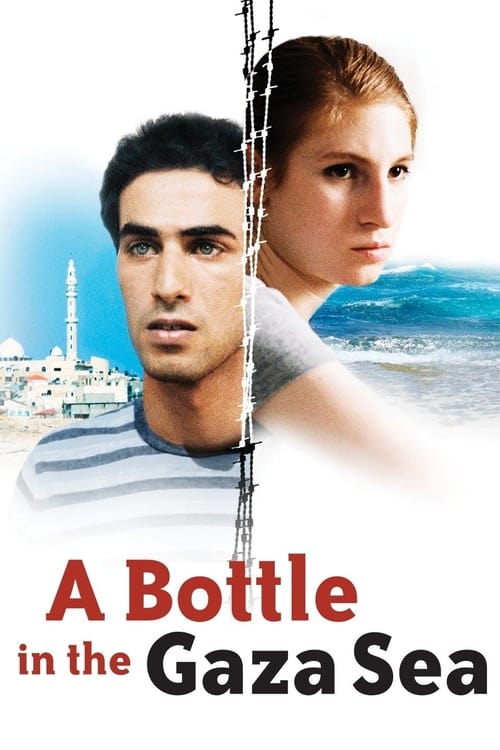
Thierry Binisti’s drama places ethnic and cultural diversity at the core of its storytelling. By focusing on a relationship between an Israeli and a Palestinian, the film goes beyond simple representation to use their specific identities as the main drivers of the plot. The film effectively challenges traditional gender hierarchies by emphasizing the intellectual and emotional empowerment of its protagonists. Instead of relying on clichés of violent masculinity, the story highlights how these young people navigate a landscape of checkpoints and bombings through digital and physical correspondence. While the film lacks explicit LGBTQ+ or disability representation, its strength lies in its critique of systemic power dynamics. It frames the struggle of individuals against a 'scorched earth' reality as a way to challenge established geopolitical divisions.
Category Breakdown
The story focuses on a heterosexual relationship between Tai and Naim. There are no explicit references to LGBTQ+ identities or non-straight relationships in the narrative.
Tai is shown as an active participant in her life rather than a passive observer. The film highlights shared vulnerability and intellectual empowerment over traditional gender roles.
The film centers on a relationship between an Israeli and a Palestinian, challenging homogeneous national identities. By focusing on their specific identities, it breaks down the 'us vs. them' binary.
The narrative critiques systemic oppression and physical barriers using a post-colonial perspective. It favors a humanistic worldview, emphasizing personal connections over religious or nationalistic ideologies.
There is no documented evidence regarding the portrayal of physical or neurodivergent disabilities in this work.
Present on Screen
Limited or Absent
Official Synopsis
Tai is 17 years old. Naim is 20. She's Israeli. He's Palestinian. She lives in Jerusalem. He lives in Gaza. They were born in a land of scorched earth, where fathers bury their children. They must endure an explosive situation that is not of their choosing at an age where young people are falling in love and taking their place in adult life. A bottle thrown in the sea and a correspondence by email nurture the slender hope that their relationship might give them the strength to confront this harsh reality to grapple with it, and thereby ever so slightly change it. Only 60 miles separate them but how many bombings, check-points, sleepless nights and bloodstained days stand between them?
2018
2008
2020
2012

2007
2004
2014
2009
No reviews yet. Be the first to share your thoughts on this movie!
Use the rating form above to leave a star rating and optional review.