Besieged Bread
2016
No user ratings available yet
Representation score: 6.8 out of 10
Representation Score
Good
2018
Director
Gaya Jiji
Runtime
96 minutes
Average Rating
No ratings yetNew Showbiz Analysis
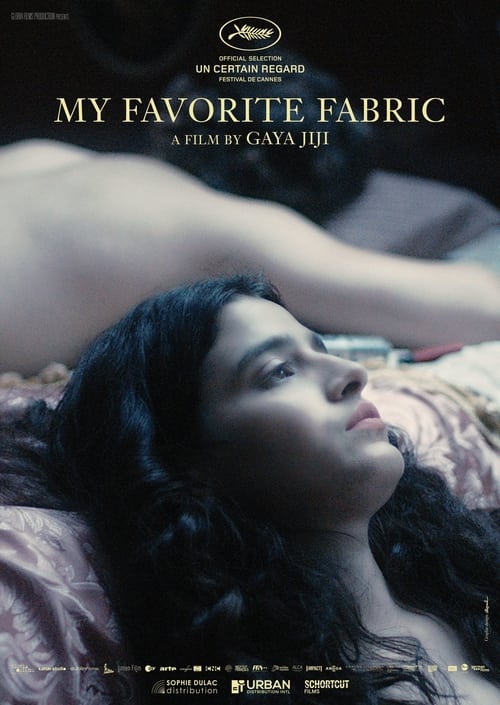
My Favourite Fabric centers the ability to act of a Middle Eastern woman navigating the collapse of traditional social institutions. It avoids common wartime clichés by focusing on Nahla's internal struggle for freedom. The film's strength lies in its multi-layered approach, where gendered expectations intersect with geopolitical crisis. It provides a culturally specific lens that prioritizes local perspectives over Westernized depictions of conflict. However, the narrative remains focused on traditional social structures, offering limited exploration of broader spectrums of identity, particularly LGBTQ+ identities.
Category Breakdown
The film does not explicitly depict LGBTQ+ identities or relationships that challenge the assumption that everyone is straight or cisgender. The story centers on the tension between arranged marriages and personal desires, without exploring queer identities.
Nahla's fight for autonomy against patriarchal constraints offers a nuanced look at gendered expectations. Ms. Jiji serves as a mentor figure, providing a space for female empowerment outside traditional domestic roles.
By featuring a Syrian cast and focusing on the diaspora, the film avoids the Western perspective. It highlights the ability to act of characters within their cultural context during a time of geopolitical turmoil.
The story critiques traditional social contracts by framing the civil war against personal liberation. It explores the tension between communal obligations, such as arranged marriages, and the pursuit of individual autonomy.
There are no visible or mentioned depictions of physical or neurodivergent disabilities in the narrative.
Present on Screen
Limited or Absent
Official Synopsis
Damascus, Spring 2011. It's the early stages of the civil war. 25-year-old Nahla is torn between her desire for freedom and the hope of leaving the country thanks to her arranged marriage with Samir, a Syrian expatriate in the USA. When he chooses her younger, more docile sister Myriam, Nahla finds refuge at her neighbor's, the mysterious Ms Jiji.
2016
2016
2018
2016
2023

2020
2015
2019
No reviews yet. Be the first to share your thoughts on this movie!
Use the rating form above to leave a star rating and optional review.